
Yulia Tymoshenko Denies Bribery Allegations in Latest Ukrainian Political Turmoil
KIEV, Ukraine — Yulia Tymoshenko, Ukraine’s prominent opposition figure and former prime minister, has vehemently denied allegations of organizing a bribery scheme to influence lawmakers, calling the latest investigations against her “fabricated” and politically motivated. The claims, which surfaced following raids on her Fatherland party offices, come amid heightened political tensions as Ukraine prepares for potential parliamentary elections following Russia’s full-scale invasion.
In a statement released Wednesday, Tymoshenko accused authorities of targeting her to undermine her political influence ahead of what many analysts believe will be a critical electoral period. “These accusations are completely fabricated,” she said, adding that the raids on her party offices were part of a broader pattern of political persecution. The investigation, led by Ukraine’s Specialized Anti-Corruption Prosecutor’s Office (SAPO) and the National Anti-Corruption Bureau (NABU), alleges that Tymoshenko’s party attempted to bribe lawmakers—including members of President Volodymyr Zelenskyy’s own Servant of the People faction—to secure votes in favor of her political agenda.
The allegations mark the latest chapter in a series of high-profile corruption probes that have swept through Ukraine’s political landscape in recent months. While Tymoshenko has not been formally charged, the raids on her offices—conducted late Tuesday night—have intensified speculation about the timing of the investigations. With Ukraine’s war with Russia showing no signs of immediate resolution, Zelenskyy has repeatedly signaled his intention to hold elections once a ceasefire is achieved, a move that could reshape the country’s political dynamics.
Key Developments in the Case
- Allegations: Ukraine’s anti-corruption agencies accuse Tymoshenko of orchestrating a bribery scheme targeting lawmakers, including members of Zelenskyy’s party.
- Denial: Tymoshenko calls the charges “fabricated” and claims the investigation is politically motivated, part of a pattern of persecution.
- Context: The raids follow a series of high-profile corruption probes targeting figures close to Zelenskyy, raising questions about timing ahead of potential elections.
- Legal Status: No formal charges have been filed against Tymoshenko, though her party offices were raided by SAPO, and NABU.
- Broader Implications: The case adds to Ukraine’s political instability as the country navigates war, reconstruction, and electoral prospects.
Background: A Political Figure with a Contentious Legacy
Tymoshenko, 65, rose to prominence during Ukraine’s 2004 Orange Revolution, which ousted then-President Viktor Yanukovych in favor of pro-Western reforms. She served as prime minister twice—first from 2005 to 2006 and again from 2007 to 2010—before being imprisoned in 2011 on charges widely seen as politically motivated by Yanukovych’s government. Her release during the 2014 Euromaidan protests solidified her status as a symbol of Ukraine’s pro-democracy movement.
Today, Tymoshenko leads the Fatherland party, which holds 25 of the 450 seats in Ukraine’s Verkhovna Rada (parliament). Her party’s influence, while diminished compared to its peak, remains significant in Ukraine’s fragmented political landscape. The current allegations against her come as Zelenskyy’s administration faces growing scrutiny over corruption, with opposition figures accusing his government of failing to deliver on anti-graft promises made during his 2019 election campaign.
What the Allegations Entail—and Why They Matter
According to reports from Ukrainian media, investigators allege that Tymoshenko’s party attempted to pay lawmakers “100,000 hryvnia ($2,500) per month” to secure votes in parliamentary sessions. While the exact details of the scheme remain under investigation, the allegations suggest a coordinated effort to influence legislative outcomes—a serious offense under Ukraine’s anti-corruption laws.
What makes this case particularly explosive is the claim that the bribery scheme allegedly included members of Zelenskyy’s own faction. If proven, the accusations could deal a severe blow to the president’s credibility, particularly as he seeks to position himself as a champion of democratic reforms. Zelenskyy, who began his political career as a comedian critical of Ukraine’s political elite, has faced mounting criticism over his administration’s handling of corruption cases, many of which have stalled or been dismissed amid the war effort.
Political Context: Elections, War, and the Future of Ukraine
The timing of the investigation against Tymoshenko cannot be ignored. With Ukraine’s war with Russia now in its third year, Zelenskyy has repeatedly stated that elections will be held once a ceasefire is achieved—a position supported by Western allies who view democratic governance as critical to Ukraine’s long-term stability. However, the prospect of elections has also introduced a new layer of political maneuvering, with factions jockeying for position ahead of what could be a highly contested vote.
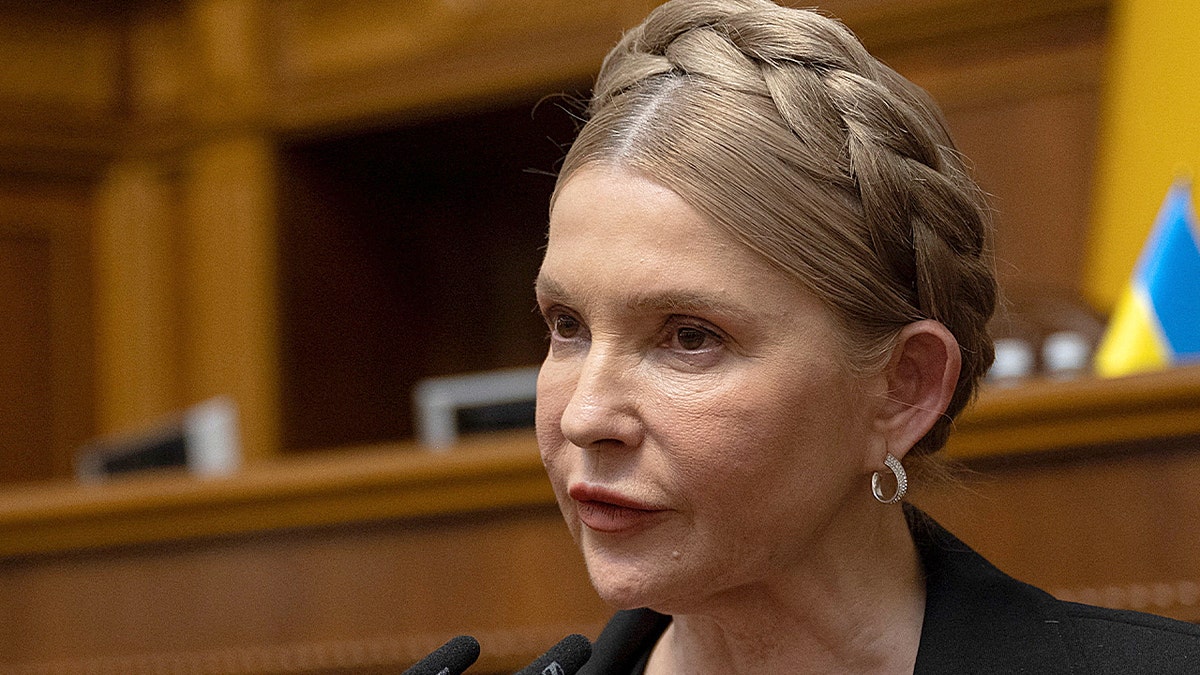
Tymoshenko’s case is not an isolated incident. In recent months, Ukraine’s anti-corruption agencies have launched probes into other high-profile figures, including Vitaliy Shabunin, head of the Anti-Corruption Action Center, who was reportedly subjected to searches by authorities in January 2026. These investigations have fueled speculation that Zelenskyy is consolidating power ahead of elections, using anti-corruption tools to neutralize political rivals.
For Tymoshenko, the stakes are personal and political. As one of Ukraine’s most recognizable opposition leaders, her fate could influence voter sentiment ahead of elections. Her denial of the bribery allegations—and her characterization of the investigation as politically motivated—aligns with a broader narrative among her supporters that she is being targeted to weaken the opposition.
What Happens Next?
The next steps in the case remain unclear, but legal experts suggest that prosecutors will need to present substantial evidence to move forward with formal charges. Tymoshenko’s legal team is expected to challenge the investigation’s legitimacy, arguing that it lacks credible evidence and is driven by political motives. Meanwhile, Ukraine’s political landscape continues to shift, with the war’s trajectory and the timing of elections looming large over the country’s future.
For now, the focus remains on Tymoshenko’s response and whether the investigation will yield concrete results—or simply add to the growing list of unresolved corruption cases in Ukraine. One thing is certain: the case will be closely watched by both domestic and international observers as Ukraine navigates its most uncertain period in decades.
Reader Questions: What You Need to Know
Q: Are there any other high-profile corruption cases currently under investigation in Ukraine?
Yes. In addition to the case against Yulia Tymoshenko, Ukraine’s anti-corruption agencies have launched probes into several other figures, including former officials and businessmen accused of embezzlement, money laundering, and abuse of power. Notably, investigations have targeted individuals linked to both the current government and opposition factions, reflecting a broader crackdown on perceived corruption.
Q: How does Ukraine’s anti-corruption framework work?
Ukraine established specialized agencies like the Specialized Anti-Corruption Prosecutor’s Office (SAPO) and the National Anti-Corruption Bureau (NABU) in 2014 to combat graft. These bodies operate independently of the government and are mandated to investigate high-level corruption cases. However, their effectiveness has been a subject of debate, with critics arguing that political interference has undermined some investigations.
Q: Could these allegations affect Ukraine’s international relations?
Potentially. Ukraine relies heavily on Western support, including military aid and economic assistance, much of which is contingent on democratic reforms and anti-corruption efforts. If the allegations against Tymoshenko—or other high-profile cases—are seen as politically motivated, it could strain Ukraine’s relationships with key allies, particularly the U.S. And EU, who have been vocal in their demands for transparency.
Final Thoughts: A Test of Ukraine’s Democratic Resilience
As the investigation into Yulia Tymoshenko unfolds, it serves as a microcosm of the broader challenges facing Ukraine: the struggle to maintain democratic institutions amid war, the tension between reform and political survival, and the delicate balance between accountability and stability. For Tymoshenko, the case is a fight for her political future—and for many Ukrainians, it symbolizes the ongoing battle for a corruption-free society.
The next confirmed checkpoint in this story will be the release of any formal charges against Tymoshenko, expected within the next 30 days, pending the conclusion of the investigation. Until then, all eyes remain on Kiev as the political stakes continue to rise.
What are your thoughts on Ukraine’s political turmoil? Share your insights in the comments below or join the discussion on our social media channels. For updates on this developing story, bookmark this page or subscribe to our newsletter for the latest verified news.