DOJ Subpoenas Wall Street Journal: Escalating Crackdown on Iran War Leaks Raises Press Freedom Concerns
The U.S. Department of Justice has taken an unprecedented step in its investigation of alleged leaks related to the U.S.-Israeli conflict in Iran, issuing grand jury subpoenas to The Wall Street Journal seeking records of reporters covering the story. The move, which follows former President Donald Trump’s public complaints about media coverage, marks a significant escalation in the administration’s efforts to identify sources of classified information. While officials have framed the action as necessary to protect national security, press freedom advocates warn it could set a dangerous precedent for media organizations.
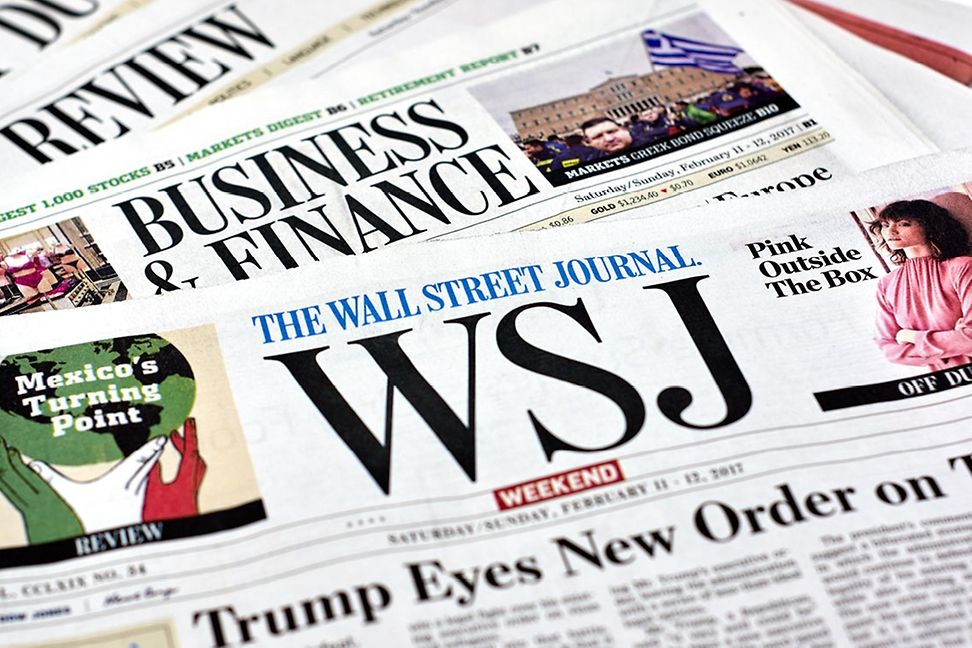
According to verified reports, the subpoenas—served on Monday—target records related to The Wall Street Journal‘s coverage of the conflict, including communications and materials connected to its reporting on Iran. The newspaper confirmed receiving the documents but declined to specify which reporters or how many were affected. Legal experts say the subpoenas are unusually broad, potentially encompassing not just direct sources but also routine journalistic work involving classified information.
This development comes as tensions remain high between the U.S., Israel, and Iran, with reports of increased military activity in the region. The timing of the DOJ’s action has led to speculation about whether the administration is responding to political pressure or genuine security concerns. Meanwhile, the subpoenas have sparked a debate over the balance between national security and the public’s right to know, particularly in matters of war and foreign policy.
Context: Trump’s Complaints and the DOJ’s Response
Former President Trump has publicly criticized media coverage of the Iran conflict, suggesting that leaks from his administration were politically motivated. In recent statements, Trump has implied that certain reports—including those published by The Wall Street Journal—were designed to undermine his foreign policy. While Trump has not directly named the newspaper, his remarks have coincided with the DOJ’s heightened focus on leaks.
Sources close to the investigation, speaking on condition of anonymity, indicate that Trump’s complaints were relayed to Justice Department officials, who subsequently expanded their probe. The DOJ has defended the subpoenas as a routine part of leak investigations, though critics argue the scope is unusually aggressive. Attorney General Merrick Garland has previously stated that the DOJ will pursue leaks “vigorously” when they compromise national security, but the current action has drawn particular scrutiny due to its targeting of a major news organization.
Legal scholars note that while the First Amendment protects the press, it does not shield reporters from subpoenas in criminal investigations. However, the breadth of these requests—particularly when applied to a publication’s general reporting practices—raises concerns about overreach. “Here’s not just about one leak,” said Marci Hamilton, a professor at the University of Pennsylvania Carey Law School and expert on press freedom. “It’s about chilling the flow of information to the public, especially on matters of war.”
“The subpoenas are a direct attack on the press’s ability to hold the government accountable. If the DOJ can demand records from a newspaper just because it published a story, what’s left of the public’s right to know?”
What the Subpoenas Mean for Journalists and National Security
The subpoenas follow a pattern of increased scrutiny on media organizations covering sensitive topics. In recent months, the DOJ has also targeted other outlets investigating government actions, including reports on the U.S. Response to the Iran conflict. While officials insist the investigations are apolitical, the timing and focus have led to accusations of selective enforcement.
For journalists, the subpoenas create a dilemma: cooperate with law enforcement requests to avoid contempt charges, or risk legal consequences by refusing to disclose sources. Many legal experts argue that The Wall Street Journal has little choice but to comply, given the potential penalties for defying a grand jury subpoena. However, the newspaper has signaled it will challenge the requests if they infringe on editorial independence.
National security analysts, meanwhile, warn that the crackdown could hinder transparency in a region where misinformation and disinformation are rampant. “When the government goes after reporters, it doesn’t just silence them—it silences the public,” said David Kaye, a former UN special rapporteur on freedom of opinion and expression. “In times of conflict, that’s especially dangerous.”
Key Takeaways
- Unprecedented Scope: The DOJ’s subpoenas to The Wall Street Journal are among the broadest ever issued to a major news organization, potentially covering routine journalistic work.
- Political Context: The action follows former President Trump’s complaints about media coverage of the Iran conflict, raising questions about whether the investigation is politically motivated.
- Press Freedom Concerns: Legal experts warn the subpoenas could set a precedent that threatens the ability of journalists to report on national security matters.
- Legal Challenges Ahead: The Wall Street Journal is expected to file motions to quash or narrow the subpoenas, arguing they violate press freedoms.
- Broader Implications: The case could influence how future administrations handle leaks, particularly in sensitive areas like foreign policy and war.
Who Is Affected and What Happens Next?
The subpoenas directly impact The Wall Street Journal‘s reporters and editors, who may face legal consequences if they refuse to comply. However, the broader implications extend to all journalists covering national security, particularly those relying on classified sources. Outlets may now face a chilling effect, leading them to avoid sensitive topics or adopt more cautious reporting practices.
For the public, the stakes are high. Transparency in government actions—especially in matters of war—is critical for informed democracy. If the DOJ succeeds in obtaining the requested records, it could embolden future administrations to target media organizations more aggressively. Conversely, if courts rule in favor of the press, it could reinforce protections for journalistic sources.
In the immediate term, The Wall Street Journal is expected to file legal challenges to the subpoenas, arguing that they are overly broad and violate press freedoms. The case could take months to resolve, with potential appeals to higher courts. Meanwhile, the DOJ has indicated it will continue its investigation, though it has not specified whether additional subpoenas will be issued to other outlets.
How to Stay Informed: Official Updates and Legal Developments
Readers seeking updates on this story should monitor the following sources for official developments:
- U.S. Department of Justice – For official statements and legal filings.
- The Wall Street Journal – For the newspaper’s legal responses and editorial commentary.
- Reporters Committee for Freedom of the Press – For press freedom analyses and legal resources.
- ACLU – For civil liberties perspectives on the case.
Courts are expected to rule on motions to quash or narrow the subpoenas within the next 30–60 days. If the DOJ prevails, it could lead to further requests from other outlets. Legal observers suggest this case may ultimately reach the Supreme Court, given its potential to redefine the boundaries of press freedom in the digital age.
What do you think? Should the government have the power to subpoena reporters’ records in national security investigations? Share your perspective in the comments below or join the discussion on our social channels.
Follow World Today Journal for updates on this developing story and other breaking news in global affairs.
Worth a look