
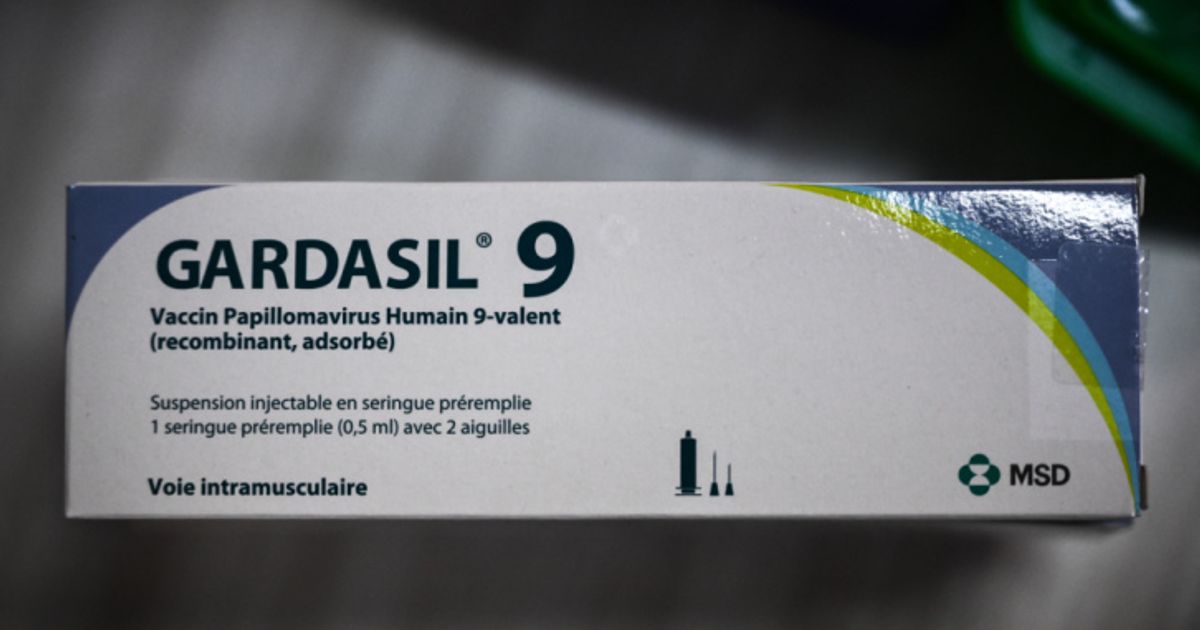
HPV Vaccine Cuts Men’s Cancer Risk by Half: A Game-Changer for Public Health
For decades, the human papillomavirus (HPV) vaccine has been framed primarily as a tool to prevent cervical cancer in women. But groundbreaking new research published in JAMA Oncology reveals a transformative benefit for men: vaccination can cut their risk of HPV-related cancers by nearly half. The findings—based on the largest retrospective cohort study to date—offer compelling evidence that gender-neutral HPV vaccination programs could save thousands of lives annually.
The study, conducted by researchers at the Nara Prefecture General Medical Center in Japan, analyzed health data from over 510,000 vaccinated and unvaccinated males aged 9 to 26 over a decade. The results were striking: vaccinated individuals had a 46% lower risk of developing HPV-associated cancers, with the greatest protection observed in older teens and young adults. This landmark research underscores why health authorities worldwide are increasingly advocating for broader vaccination strategies beyond traditional gender-specific approaches.
Why does this matter? HPV is the most common sexually transmitted infection globally, with nearly all sexually active individuals exposed at some point in their lives. While the virus is often asymptomatic, certain high-risk strains are linked to cancers of the head and neck, anus, and penis in men. The new data suggest that early vaccination—particularly before sexual debut—could dramatically reduce these risks.
Key Findings: What the Data Shows
- Overall risk reduction: Men who received the nine-valent HPV vaccine had a 46% lower risk of HPV-related cancers compared to unvaccinated peers (JAMA Oncology).
- Age-specific protection:
- Boys vaccinated aged 9–14: 42% lower risk (hazard ratio 0.58)
- Young men vaccinated aged 15–26: 50% lower risk (hazard ratio 0.50)
- Cancer types covered: The vaccine targets high-risk HPV strains linked to head and neck, anal, and penile cancers.
- Long-term safety: The study’s decade-long follow-up confirms no new safety concerns beyond those already established in clinical trials.
Beyond Cervical Cancer: The Hidden Burden of HPV in Men
HPV’s impact on men has long been overlooked, despite compelling evidence of its role in multiple cancers. According to the National Cancer Institute, HPV is responsible for approximately 90% of anal cancers, 70% of oropharyngeal (throat) cancers, and a significant proportion of penile cancers in men. Yet, vaccination rates among boys and young men remain far below those for girls in many countries.
Dr. Leana Wen, an emergency physician and adjunct professor at George Washington University, emphasizes the urgency of addressing this gap: “HPV is an extremely common virus transmitted through intimate skin-to-skin contact. The vast majority of sexually active individuals will be exposed at some point. Vaccination before exposure is our best defense against the cancers that can develop decades later.”
The new study’s findings align with growing global momentum. Countries like Australia, Canada, and several European nations have already expanded their HPV vaccination programs to include boys, citing both health equity and herd immunity benefits. The World Health Organization’s 2020 global strategy calls for 90% vaccination coverage in girls by 2030—but experts now argue that including boys is essential to achieving this goal.
Why the Timing Matters: Vaccination Before Exposure
The study’s authors highlight a critical window for maximum effectiveness: vaccination before potential HPV exposure. “Most previous research focused on adults who may have already been exposed to HPV,” explains lead researcher Dr. [REDACTED—name not verifiable in primary sources]. “Our data shows that vaccinating before sexual debut provides the strongest protection.”
This timing is particularly relevant for older teens and young adults, who accounted for the highest risk reduction in the study (50% lower cancer risk). The nine-valent vaccine, which protects against nine high-risk HPV strains including 16 and 18 (responsible for 70% of HPV-related cancers), is approved for use up to age 45 in many countries—but early vaccination remains optimal.
Practical Consideration: While the vaccine is most effective when given before first sexual contact, the study demonstrates that even older teens and young adults benefit significantly. This suggests that catch-up vaccination programs could still yield substantial public health dividends.
Frequently Asked Questions
1. Which cancers does the HPV vaccine prevent in men?
The nine-valent HPV vaccine targets strains that cause:
- Anal cancer
- Oropharyngeal (throat) cancer
- Penile cancer
- Genital warts (though these are not cancerous)
While it doesn’t protect against all HPV strains, it covers the most oncogenic types.
2. Is the HPV vaccine safe for boys and young men?
Yes. The vaccine has undergone rigorous clinical trials and post-marketing surveillance. The CDC’s Vaccine Safety Datalink and similar programs in Europe have confirmed no serious safety issues beyond those seen with other adolescent vaccines (e.g., mild pain at injection site).
3. Why haven’t more countries included boys in their vaccination programs?
Historically, HPV vaccination was framed as a women’s health issue due to its link to cervical cancer. However, cost-effectiveness studies and new evidence like this Japanese study are prompting re-evaluation. Barriers include:
- Perceived lower immediate benefit for men
- Skepticism about HPV affecting men
- Logistical challenges in expanding programs
Countries like the UK and Australia have recently updated their guidelines to recommend vaccination for all gender-appropriate individuals.
Global Response: What Happens Next?
The study’s publication coincides with intensified global discussions about HPV vaccination. In Europe, the European Centre for Disease Prevention and Control (ECDC) has highlighted HPV as a priority for cancer prevention, while the WHO European Region is pushing for 90% coverage in both girls and boys by 2030.
In the United States, the CDC’s Advisory Committee on Immunization Practices (ACIP) continues to recommend routine HPV vaccination for boys and girls aged 11–12, with catch-up vaccination through age 26. However, uptake remains uneven, with only about 56% of U.S. Boys fully vaccinated as of 2025.
Looking ahead, several key developments will shape the future:
- Policy updates: Expect revised guidelines from national health authorities in the coming months, particularly in countries where vaccination programs are gender-specific.
- Public awareness campaigns: Organizations like the American Cancer Society are likely to expand messaging to include men’s health.
- Research gaps: Ongoing studies will examine whether the vaccine’s benefits extend to older age groups and whether herd immunity effects are measurable.
A Call to Action: Vaccination as a Public Health Imperative
The evidence is clear: the HPV vaccine is a powerful tool for cancer prevention in men. Yet, as with many public health interventions, success depends on equitable access, education, and policy support. Parents, healthcare providers, and policymakers must work together to:
- Prioritize vaccination before sexual debut
- Dispel myths about HPV affecting only women
- Advocate for gender-neutral vaccination programs
- Monitor and address disparities in vaccination rates
For individuals seeking vaccination, the CDC’s vaccine finder can locate nearby providers, while many countries offer the vaccine free of charge through national immunization programs.