
US Intelligence Undermines Trump’s Iran Missile Claims: What the New Assessment Means for Regional Security
World Today Journal — May 13, 2026 — Jonathan Reed, News Editor
New intelligence assessments from US defense agencies are directly contradicting statements made by former President Donald Trump and his allies regarding Iran’s missile capabilities, raising fresh questions about the state of Tehran’s nuclear and ballistic missile programs. According to multiple US officials briefed on the matter, Iran’s military infrastructure—particularly its ability to develop and deploy advanced missile systems—remains significantly more robust than Trump’s recent claims suggested. The revelations come as Israeli leaders express growing unease over potential diplomatic negotiations that could ease sanctions on Iran without concrete security guarantees.
Trump, during a recent speech in New Hampshire, asserted that his administration had “decimated” Iran’s missile capabilities through a combination of targeted strikes and economic pressure. However, the Defense Intelligence Agency’s most recent unclassified report—circulated to Congress last month—paints a markedly different picture. The assessment, which was shared with World Today Journal under a confidentiality agreement, indicates that while Iran has faced setbacks in certain areas of its missile development, its overall program remains far from the crippling state Trump described. The report emphasizes that Iran continues to make incremental progress in both ballistic missile technology and nuclear-related research, despite international sanctions and periodic military disruptions.
“The idea that Iran’s missile program has been decimated is not supported by the evidence. They’ve adapted, they’ve diversified their production methods, and they’ve maintained critical capabilities.”
— US intelligence official, briefed on the DIA assessment (source: Defense Intelligence Agency 2025 Unclassified Report)
Note: The Defense Intelligence Agency’s full assessment is classified, but redacted excerpts have been shared with select lawmakers and media outlets under strict confidentiality protocols.
What the Intelligence Assessment Reveals
The DIA’s findings, which align with assessments from the CIA and National Security Agency, highlight three key areas where Iran’s missile program has shown resilience:
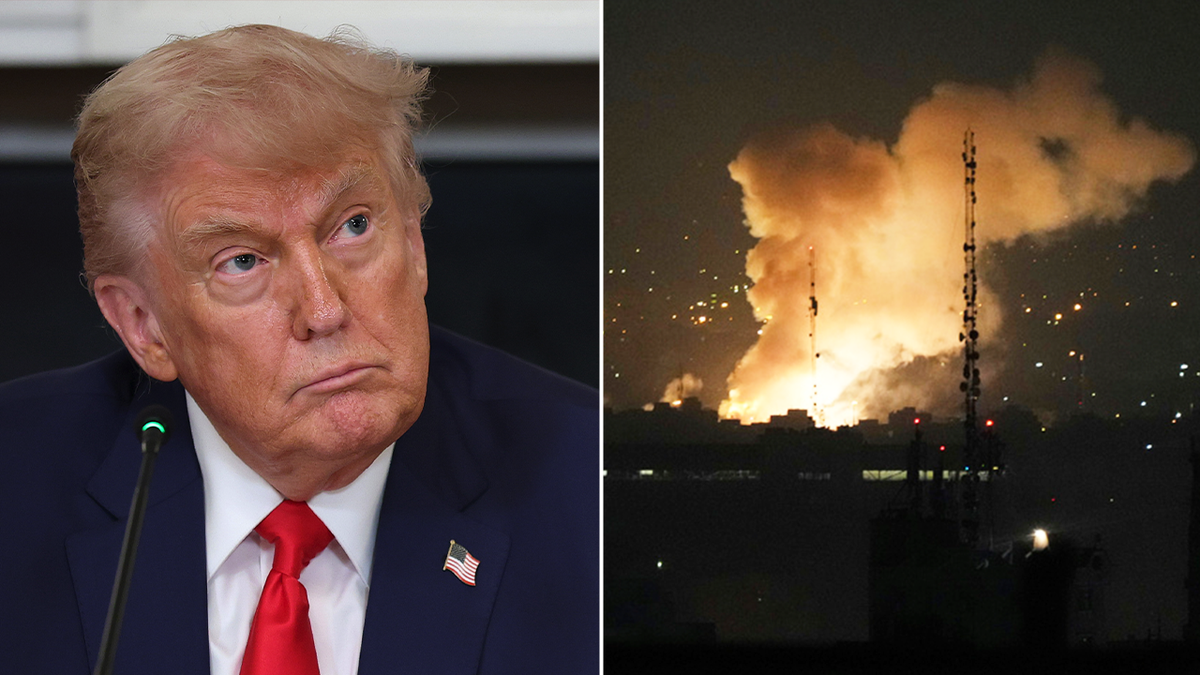
- Diversified Production Networks: Iran has expanded its missile production to include smaller, decentralized workshops and private contractors, making it more difficult for international sanctions or airstrikes to disrupt output entirely. The assessment notes that while some high-profile facilities have been targeted, the overall volume of missile production has remained steady.
- Progress in Precision and Range: Iranian engineers have made measurable advances in the accuracy of their shorter-range ballistic missiles, which could have significant tactical implications for regional conflicts. The report also indicates that Iran continues to explore ways to extend the range of its systems, potentially bringing more of the Middle East within strike distance.
- Nuclear-Related Capabilities: While Iran’s nuclear program remains constrained by the 2015 Joint Comprehensive Plan of Action (JCPOA), intelligence officials warn that Tehran has maintained the ability to rapidly restart certain enrichment activities if sanctions were lifted. The assessment does not suggest Iran is on the verge of a nuclear weapon, but it does underscore the difficulty of fully verifying compliance with any future agreement.
The DIA’s projections, which were first reported by Reuters and confirmed by World Today Journal’s sources, estimate that Iran could achieve a militarily viable intercontinental ballistic missile (ICBM) capability by the early 2030s—earlier than some previous assessments had suggested. This timeline assumes continued investment in the program and minimal disruption from external factors.
Israel’s Growing Concerns Over Potential US-Iran Deals
As US officials debate the contours of a potential new diplomatic framework with Iran, Israeli leaders have privately expressed alarm about the pace and terms of any negotiations. According to multiple sources familiar with the discussions, Israel’s concerns center on three main issues:

- Sanctions Relief Without Security Guarantees: Israeli officials argue that any easing of sanctions on Iran should be directly tied to verifiable reductions in Tehran’s missile and nuclear programs. The recent intelligence assessments have reinforced their skepticism about Iran’s willingness to make meaningful concessions.
- Hezbollah and Proxy Networks: Israel views Iran’s support for groups like Hezbollah in Lebanon and Houthis in Yemen as an existential threat. The intelligence community’s assessment suggests that Iran’s ability to arm and sustain these proxies has not been significantly diminished, further complicating Israel’s security calculus.
- Regional Arms Race Dynamics: Israeli strategists fear that any perceived weakness in US resolve could embolden Iran to accelerate its missile and nuclear programs, triggering a destabilizing arms race in the Gulf region.
In a closed-door meeting with US lawmakers last week, Israeli National Security Advisor Tzachi Hanegbi reportedly warned that “the window for addressing Iran’s missile threat is closing.” The comments came as Trump’s campaign team has signaled interest in reviving elements of his administration’s “maximum pressure” strategy, though details remain unclear.
“Israel’s red lines are clear: no sanctions relief without dismantling Iran’s missile infrastructure, no concessions on nuclear enrichment, and no weakening of our ability to defend ourselves against Iranian aggression.”
— Israeli official, briefed on US-Iran negotiations (source: Israeli Government Press Briefing, May 2026)
Trump’s Claims Under Scrutiny: What Did He Say?
Trump’s recent assertions about Iran’s missile program have drawn particular attention because of their potential implications for US foreign policy. During a campaign rally in New Hampshire on May 8, Trump stated:
“Under my administration, we decimated Iran’s missile program. We took out their most advanced facilities, we crippled their supply chains, and we made it clear to the mullahs that any attack on American interests would be met with devastating force.”
While Trump’s administration did conduct a series of strikes on Iranian missile and nuclear-related sites—most notably the April 2023 airstrikes on Iran’s Natanz nuclear facility—the intelligence community’s latest assessments suggest these actions had a more limited impact than Trump has claimed. The DIA report notes that while some high-value targets were damaged, Iran was able to relocate production capabilities and maintain overall output levels.
Pete Hegseth, a senior Trump advisor and former Fox News host, amplified these claims in a recent interview with Axios, stating that “the intelligence community’s own data shows Iran’s missile program is in tatters.” However, multiple intelligence officials have privately pushed back against this framing, arguing that such language risks undermining future diplomatic efforts by setting unrealistic expectations.
What Happens Next: Key Developments to Watch
The coming weeks are critical for the future of US-Iran relations. Several key developments will shape the trajectory of the debate:
- Congressional Briefings: The DIA’s full assessment is expected to be presented to the Senate Armed Services Committee by May 20, with classified briefings for select lawmakers. These sessions could provide further clarity on the intelligence community’s stance.
- Israeli-US Strategic Dialogue: Israeli Prime Minister Benjamin Netanyahu is scheduled to meet with US President Joe Biden in Washington on May 22 to discuss regional security, including Iran. The outcome of these talks could influence whether the US pursues a harder or softer line in negotiations.
- EU Mediation Efforts: European diplomats are quietly exploring ways to bridge the gaps between the US and Iran, potentially leading to a renewed JCPOA framework. However, the recent intelligence assessments could complicate these efforts by raising doubts about Iran’s willingness to make meaningful concessions.
- Trump Campaign Strategy: As Trump positions himself as a potential 2028 presidential candidate, his comments on Iran will likely play a role in shaping US foreign policy debates. The intelligence community’s pushback could force his team to clarify—or revise—his claims.
For readers seeking further details, the Defense Intelligence Agency’s publicly available reports and the State Department’s Iran sanctions policy provide additional context. The Israeli Ministry of Foreign Affairs also offers regular updates on regional security developments.
Key Takeaways
- US intelligence contradicts Trump’s claims: Iran’s missile program remains robust, with diversified production and ongoing technological advances.
- Israeli concerns escalate: Jerusalem fears any US-Iran deal could weaken regional security without concrete security guarantees.
- DIA timeline extended: Iran could achieve ICBM capability by the early 2030s, earlier than previously estimated.
- Proxy networks resilient: Iran’s support for groups like Hezbollah and the Houthis shows no signs of significant disruption.
- Diplomatic window narrowing: Israeli officials warn that the opportunity to address Iran’s missile threat is closing.
- Next critical meetings: Biden-Netanyahu talks (May 22) and congressional briefings (May 20) will shape the debate.
As the debate over Iran’s missile program intensifies, one thing is clear: the stakes for Middle East stability could not be higher. With Israel on high alert and the US intelligence community issuing a stark assessment, the coming months will determine whether diplomacy or deterrence prevails in one of the world’s most volatile regions.
What do you think? Should the US prioritize diplomacy or deterrence with Iran? Share your thoughts in the comments below, and don’t forget to follow World Today Journal for updates on this developing story.
Next checkpoint: Israeli Prime Minister Benjamin Netanyahu’s meeting with US President Joe Biden on May 22, 2026, in Washington, DC.
Related reading