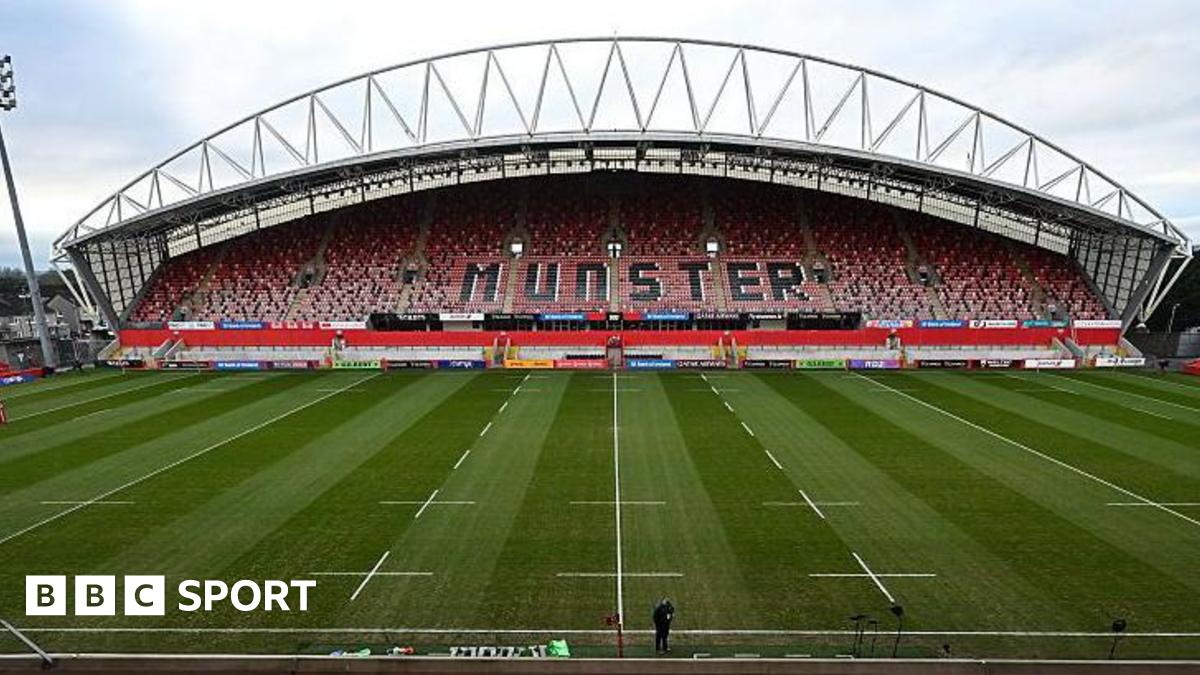
In a landmark move that underscores the growing scrutiny over sports governance in Ireland, Munster Rugby has announced an independent review of its organizational structures following the abrupt cancellation of Roger Randle’s appointment as attack coach. The decision, made by mutual agreement just weeks ago, has ignited a storm of controversy and prompted the province’s leadership to take unprecedented steps to rebuild trust, and transparency.
The review, commissioned by Munster Rugby’s board, will be conducted by The Governance Company, a specialized consultancy known for its work in corporate governance. An external independent chair, whose identity will be revealed in the coming days, will oversee the assessment of the club’s governance, leadership, culture, and communications frameworks. The findings will be delivered directly to the board, offering concrete recommendations for reform.
This development comes amid a period of intense public scrutiny for Munster Rugby, particularly after the club backtracked on its decision to hire Randle—a former New Zealand international and current Chiefs assistant coach—despite his previous association with allegations of rape dating back to 1997. While Randle has consistently denied the charges, which were dropped when the complainant withdrew them, the controversy has forced the club to confront its own decision-making processes and public perception.
Why This Review Matters: Governance Under the Microscope
The independent review is not merely a response to the Randle saga but a broader acknowledgment of systemic concerns within Munster Rugby. In a statement, the club emphasized that the review aims to “assess the organization’s governance, leadership, culture, and communications structures” and provide actionable recommendations. This signals a recognition that the club’s ability to attract and retain talent—and maintain supporter loyalty—depends on robust, accountable governance.

For fans and stakeholders, the review presents an opportunity to hold leadership accountable. The decision to appoint an external chair, rather than relying solely on internal oversight, reflects a commitment to impartiality. However, the process will be closely watched, as past governance failures in sports organizations have often led to prolonged reputational damage.
Key stakeholders in this review include:
- Munster Rugby’s Board: The group responsible for implementing the review’s findings and ensuring long-term reform.
- Supporters and Activists: Groups who have criticized the club’s handling of the Randle controversy and are demanding greater transparency.
- The Rugby Community: Players, coaches, and administrators who rely on Munster Rugby’s stability and ethical standards.
- Regulatory Bodies: Organizations like the Irish Rugby Football Union (IRFU) may observe the review’s outcomes as a benchmark for governance best practices.
The Roger Randle Controversy: A Catalyst for Change
The decision to cancel Randle’s appointment was announced last month, following widespread backlash from supporters and activists. The controversy stemmed from allegations made in 1997, when Randle—then a winger for the Hurricanes—was accused of raping a woman during a tour in Durban, South Africa. While the case was ultimately dropped due to the complainant’s decision not to proceed, the allegations resurfaced in recent weeks, prompting Munster Rugby to reconsider its plans.

In a statement at the time, Munster Rugby confirmed that the decision to withdraw the offer was made by “mutual agreement” with Randle. Head coach Clayton McMillan, who had previously worked with Randle at the Chiefs, welcomed the governance review as a necessary step to address broader organizational challenges. “I think I took note of that last week,” McMillan said in a recent interview. “That is a lot that we need to digest as an organization, and I welcome any review that’s going to ultimately help us be better.”
Munster Rugby has commissioned an independent governance review into the organisation’s governance structures, as the fallout from the Roger Randle saga continues. #RTERugby #RTESport
What the Review Will Examine: Scope and Expectations
The Governance Company’s mandate is broad, encompassing four critical areas:
- Governance Structures: Evaluating the board’s decision-making processes, accountability mechanisms, and compliance with regulatory standards.
- Leadership: Assessing the effectiveness of executive leadership, including communication strategies and crisis management protocols.
- Organizational Culture: Identifying potential gaps in values, ethics, and inclusivity within the club’s workforce and supporter base.
- Communications: Reviewing how Munster Rugby engages with stakeholders, particularly during periods of controversy.
While the review’s timeline has not been disclosed, sources close to the club suggest that the process could take several months. The external chair’s appointment is expected within the next few days, with the final report anticipated by late summer or early autumn. Until then, Munster Rugby will continue to operate under existing structures, though the board has indicated a willingness to implement interim measures based on preliminary findings.
Broader Implications: Governance in Professional Rugby
The Munster Rugby review is part of a broader trend in professional sports, where clubs are increasingly facing pressure to adopt transparent, ethical governance models. Recent scandals—from financial mismanagement to player welfare failures—have forced organizations to prioritize accountability. For Munster, the stakes are particularly high, given its status as one of Ireland’s most successful rugby provinces and its deep-rooted connection to local communities.
In the United Rugby Championship (URC), where Munster competes against teams like Leinster, Ulster, and Scottish rivals, governance failures can have ripple effects. A strong governance framework not only protects the club’s reputation but also ensures fair treatment of players, staff, and supporters. The review’s outcomes may serve as a template for other Irish rugby clubs grappling with similar challenges.
For supporters, the review offers a rare opportunity to influence the club’s direction. Public feedback mechanisms, such as surveys or town halls, could be introduced as part of the recommendations. However, skepticism remains high, with some activists arguing that meaningful change requires more than a one-off review—it demands structural reforms and long-term oversight.
What Happens Next: Key Checkpoints and Updates
The next critical milestone in this process will be the appointment of the external chair, expected in the coming days. Once confirmed, the chair will begin consulting with stakeholders, including players, coaches, and supporter groups, to gather input on the club’s governance challenges.

Munster Rugby has not yet specified a deadline for the review’s completion, but industry sources suggest the report could be delivered by late summer 2026, pending the scope of the assessment. The board has committed to sharing the findings publicly, though the extent of transparency remains to be seen.
In the meantime, supporters and industry observers will be watching closely. The review’s success hinges on its ability to deliver not just recommendations, but tangible, implementable changes. For Munster Rugby, this is a chance to rebuild trust—but also a test of its commitment to reform.
Key Takeaways
- The independent governance review is a direct response to the Roger Randle controversy and broader concerns about Munster Rugby’s decision-making.
- The review will assess governance, leadership, culture, and communications, with findings to be delivered to the board by late summer 2026.
- An external chair will oversee the process, ensuring impartiality and credibility.
- The outcomes may influence governance standards across Irish rugby, setting a precedent for accountability.
- Supporters and activists will play a key role in shaping the review’s recommendations and ensuring long-term reform.
As this story develops, we’ll continue to monitor the review’s progress and its impact on Munster Rugby’s future. In the meantime, we encourage readers to share their thoughts on governance in professional sports—what changes would you like to see in your favorite clubs? Join the conversation below or share this article to keep the discussion going.
Related reading