
For soccer fans and global sports enthusiasts, few moments capture the magic of the game quite like the FIFA World Cup. The tournament, held every four years, unites nations, ignites passions, and creates unforgettable memories for millions. Behind the scenes, however, lies a complex web of planning, diplomacy, and vision—efforts that ensure the event leaves a lasting legacy. In North Texas, one individual has played a pivotal role in bringing this global spectacle to the region: Dan Hunt, President of FC Dallas and co-owner of the Kansas City Chiefs. His leadership in securing the 2026 FIFA World Cup for the Dallas-Fort Worth metroplex has positioned the area as a key player in the world of international soccer.
Hunt’s journey to this milestone reflects a broader trend: the growing influence of American soccer clubs in shaping the sport’s future. With the 2026 World Cup set to be the first to feature 48 teams—expanding from the traditional 32—North Texas is poised to host a record-breaking 10 matches, including the opening game. This expansion, combined with Hunt’s strategic vision, has turned Dallas into a hub for global soccer enthusiasts, blending local pride with international prestige.
Yet, beyond the headlines and the excitement, the story of how Dallas secured a place in soccer history is one of collaboration, infrastructure development, and a deep commitment to the sport. From stadium upgrades to fan engagement initiatives, Hunt’s efforts have not only elevated FC Dallas but also positioned the region as a competitive bidder for future sporting events. As the world prepares for the 2026 tournament, Hunt’s role offers a glimpse into the intersection of business, sports, and global diplomacy—one that resonates far beyond the pitch.
Dan Hunt: The Architect Behind Dallas’s World Cup Ambitions
Dan Hunt’s career is a testament to the power of ambition and strategic foresight. As the President of FC Dallas—a Major League Soccer (MLS) club—and a co-owner of the NFL’s Kansas City Chiefs, Hunt has spent decades navigating the complexities of professional sports. His decision to leverage FC Dallas’s platform to push for a World Cup bid was not merely a business move but a visionary one. By aligning the club’s growth with the global appeal of the World Cup, Hunt transformed Dallas from a regional soccer powerhouse into a contender on the world stage.
Hunt’s leadership extends beyond the pitch. Under his guidance, FC Dallas has become synonymous with innovation in fan engagement, youth development, and community outreach. These initiatives have not only strengthened the club’s local footprint but also made Dallas a more attractive candidate for hosting international events. According to MLS’s official 2025 report on World Cup host cities, Dallas’s bid was bolstered by its commitment to sustainability, modern infrastructure, and a fan base that spans diverse demographics. Hunt’s ability to articulate this vision to FIFA officials was critical in securing the city’s inclusion in the 2026 host lineup.
One of Hunt’s most notable contributions has been his emphasis on the economic and social impact of hosting the World Cup. In interviews, he has highlighted how the tournament will generate billions in revenue for North Texas, create thousands of jobs, and leave a lasting legacy through improved transportation, hospitality, and urban development. For instance, the expansion of Toyota Stadium and the construction of new training facilities are part of a broader strategy to ensure Dallas remains competitive in the global sports landscape. As Hunt stated in a May 2025 press release, “This isn’t just about soccer—it’s about building a legacy that will benefit our city for decades.”
How Dallas Competed—and Won—the World Cup Bid
The road to becoming a 2026 World Cup host was not without competition. Cities like Atlanta, Los Angeles, and Kansas City also submitted bids, each offering unique advantages. However, Dallas’s proposal stood out for its comprehensive infrastructure plan and fan-centric approach. Key factors in FIFA’s decision included:
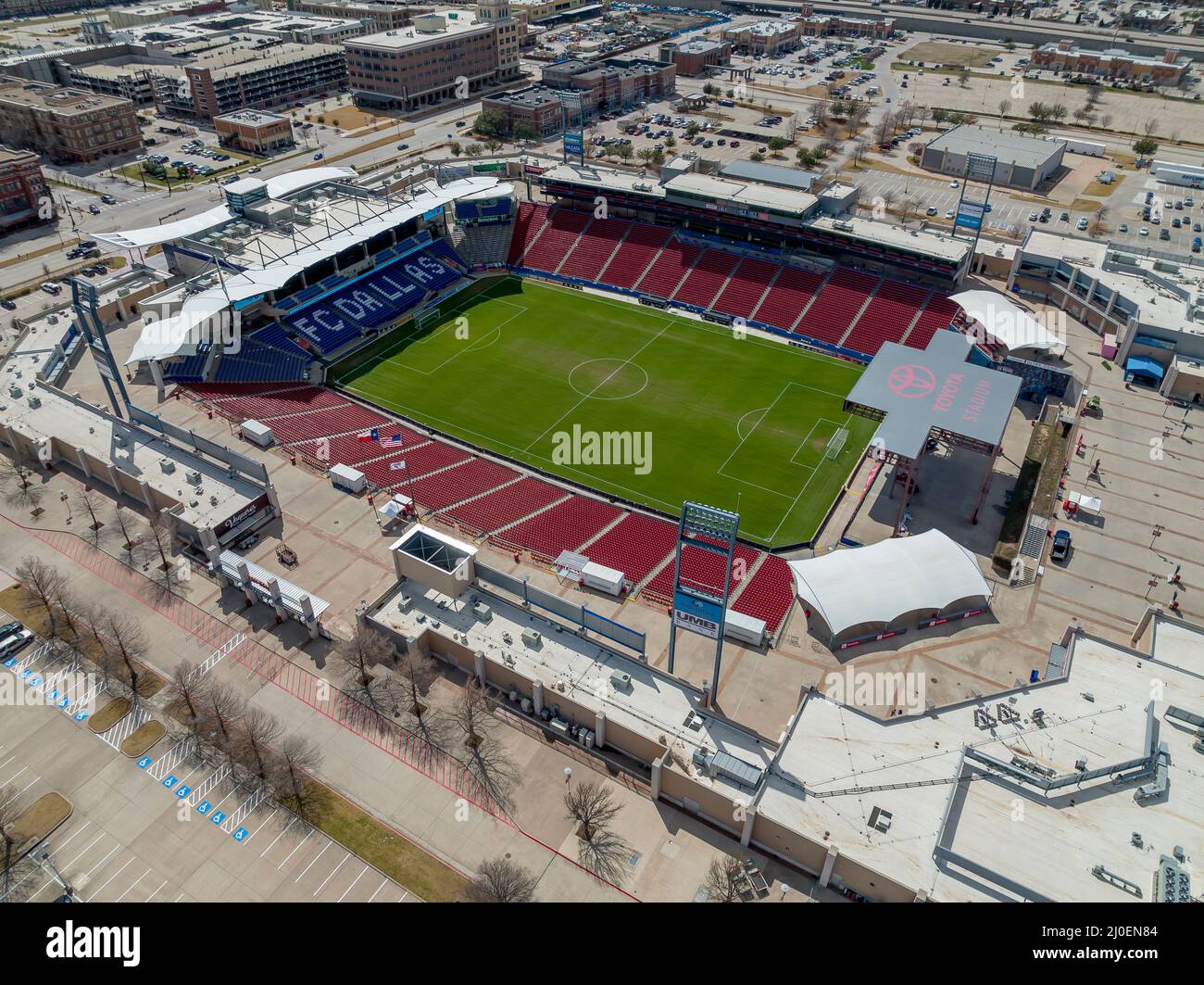
- Stadium readiness: Toyota Stadium and AT&T Stadium in nearby Arlington underwent upgrades to meet FIFA’s technical requirements, ensuring they could host high-profile matches as outlined in FIFA’s official host city guidelines.
- Transportation and accessibility: Dallas-Fort Worth International Airport (DFW) is one of the busiest in the world, and the region’s highway network was expanded to accommodate the influx of fans and officials.
- Fan experience: Initiatives like the “World Cup Village” in downtown Dallas, designed to host pre- and post-match celebrations, were praised for their creativity and inclusivity.
- Sustainability commitments: Dallas pledged to offset carbon emissions from the tournament and implement green energy solutions, aligning with FIFA’s environmental goals.
Hunt’s role in selling this vision cannot be overstated. His ability to bridge the gap between local stakeholders—including government officials, business leaders, and soccer fans—and FIFA’s global decision-makers was instrumental. By positioning Dallas as a city that embraces both tradition and innovation, Hunt helped secure a place in soccer history for North Texas.
The Broader Impact: What the World Cup Means for Dallas
For soccer fans, the 2026 World Cup is more than just a tournament—it’s a cultural phenomenon. The event brings together nations, languages, and traditions, fostering connections that transcend borders. In Dallas, this impact is already being felt. Local businesses, from restaurants to hotels, are preparing for a surge in tourism, while schools and community centers are incorporating soccer into their programs to inspire the next generation of players.
Yet, the benefits extend beyond the immediate excitement of the tournament. Hunt has emphasized that the World Cup will serve as a catalyst for long-term growth. For example:
- Economic boost: Studies project that the World Cup will inject over $1.5 billion into the North Texas economy, according to a June 2025 analysis by the Dallas Regional Chamber. This includes increased spending on hospitality, retail, and transportation.
- Infrastructure improvements: The tournament has accelerated plans for a new light rail line connecting key host venues, reducing traffic congestion and improving mobility for residents.
- Youth development: FC Dallas’s academy programs have expanded, offering more opportunities for young athletes to train under professional guidance. Hunt has also partnered with local schools to promote soccer as a viable career path.
- Global visibility: Dallas’s reputation as a major sports city has been reinforced, attracting future events like the 2028 Summer Olympics bid and international corporate relocations.
Hunt’s leadership in this regard is a model for how sports can drive social and economic progress. By leveraging the World Cup as a platform for innovation, he has positioned Dallas as a city that thinks globally while acting locally.
Looking Ahead: The Road to 2026 and Beyond
As the countdown to the 2026 World Cup begins, Dallas is in the midst of final preparations. Key milestones in the coming months include:
- Stadium finalizations: Toyota Stadium is undergoing its final phase of renovations, with completion expected by September 2026 per the stadium’s official timeline.
- Fan engagement campaigns: FC Dallas and local organizations are launching initiatives to encourage fan participation, including ticket giveaways and educational programs about the tournament’s history.
- Security and logistics planning: Collaborations between local law enforcement, FIFA, and the U.S. Government are underway to ensure smooth operations during the event.
- Legacy projects: Post-tournament plans include converting temporary venues into permanent community spaces and expanding soccer programs in underserved neighborhoods.
The next major checkpoint will be the official kickoff celebrations in early 2026, marking the start of the tournament’s build-up. Fans are encouraged to stay updated through official channels, including FC Dallas’s World Cup hub and the Dallas-Fort Worth Convention and Visitors Bureau.
For global audiences, the 2026 World Cup in Dallas represents more than just a sporting event—it’s a testament to the power of visionary leadership and cross-cultural collaboration. Dan Hunt’s journey from MLS club president to a key figure in global soccer underscores how passion and strategy can transform a city’s identity. As the world prepares to witness this historic tournament, Dallas stands ready to welcome fans with open arms—and a pitch that’s truly world-class.
What are your thoughts on Dallas’s role in the 2026 World Cup? Share your excitement, questions, or predictions in the comments below. And don’t forget to follow World Today Journal for ongoing coverage of this global spectacle.