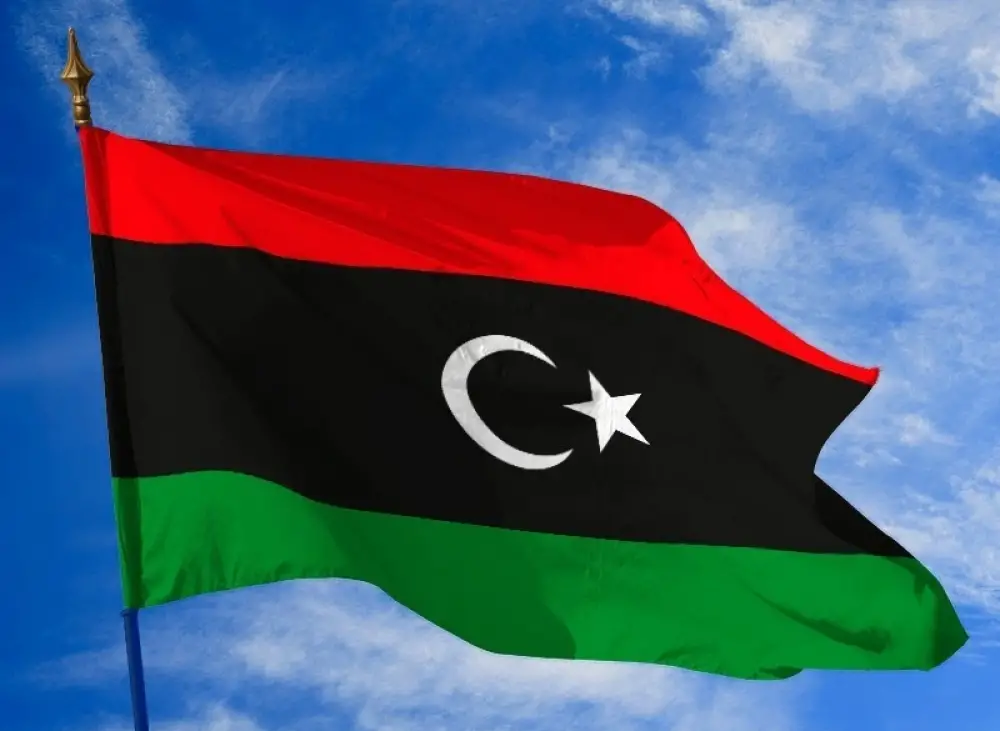
Armed clashes erupted in the western Libyan coastal city of Zaouïa, triggering widespread concern and disrupting daily life in the municipality located roughly 40 kilometers west of Tripoli. According to regional reporting from outlets such as Reuters, the sudden outbreak of heavy weaponry fire between rival armed factions highlights the persistent security challenges facing western Libya as local authorities struggle to impose lasting stability.
The violence in Zaouïa underscores the fragile security apparatus operating across western municipalities, where rival militias frequently vie for territorial control and economic influence. Local residents reported hearing heavy artillery and automatic gunfire echoing across multiple neighborhoods, prompting temporary road closures and keeping families confined to their homes. Emergency medical services and municipal committees mobilized to monitor the situation, although immediate casualty figures and the exact trigger for the latest flare-up remain subject to ongoing assessment by local authorities.
Security analysts note that Zaouïa has experienced recurrent bouts of factional violence due to its strategic location along the coastal highway connecting Tripoli to the Tunisian border, as well as its proximity to critical energy infrastructure, including the Zaouïa refinery. The city’s complex security landscape involves a patchwork of local armed groups, nominally aligned with various state institutions yet operating with a high degree of autonomy. International observers, including the United Nations Support Mission in Libya (UNSMIL), have repeatedly emphasized the urgent need for a unified national security strategy and the disarmament, demobilization, and reintegration of armed groups to protect civilians.
Security Dynamics and Impact on Zaouïa Residents
For the civilian population of Zaouïa, recurring armed confrontations exact a heavy toll on daily commerce, education, and healthcare services. Local schools and public institutions frequently suspend operations during active engagements to ensure the safety of students and staff. Commercial traffic along the vital coastal route experiences severe disruptions, affecting the supply of essential goods and fuel distribution throughout the region. Community leaders and local councils have historically stepped in to negotiate temporary truces between warring factions, seeking to establish humanitarian corridors and de-escalate tensions before national security forces intervene.
Human rights organizations operating in North Africa have consistently called for accountability regarding civilian infrastructure damage resulting from urban skirmishes. International humanitarian law requires all parties to armed conflict to take feasible precautions to avoid civilian casualties and protect civilian objects. Local civil society groups in Zaouïa continue to document security incidents and advocate for peaceful dialogue as the only viable path to resolving local disputes without further endangering non-combatants.
Broader Context of Libya’s Security Challenges
The unrest in Zaouïa is part of a broader pattern of localized instability persisting across Libya since the 2011 uprising. Despite successive diplomatic initiatives brokered by the United Nations and regional partners to unify state institutions, the proliferation of armed groups outside direct state command remains a central hurdle to lasting peace. Political divisions between rival administrations in the east and west further complicate security sector reform, leaving local commanders to negotiate power and resources independently.
International partners, including the European Union and neighboring states, monitor developments in western Libya closely, given the region’s implications for broader Mediterranean stability, migration flows, and energy supplies. Diplomatic missions frequently issue security advisories urging restraint and calling on all Libyan actors to engage constructively with UN-led mediation efforts aimed at establishing a unified, elected government capable of securing the entire national territory.
Official Responses and Monitoring
Official statements from security directorates in the region typically emphasize efforts to restore public order and establish buffer zones between rival factions. Municipal authorities coordinate with elders and wisdom councils to mediate ceasefires and secure guarantees for the protection of public utilities. Residents seeking verified updates on security conditions and road openings rely on local municipal announcements and official channels issued by regional security operations rooms.
As the situation develops, international monitors and local civil society organizations continue to track the humanitarian impact on displaced families and assess material damage to residential areas. Further updates regarding security arrangements, mediation outcomes, and municipal recovery efforts are expected as local committees work to solidify a permanent cessation of hostilities in the area.