
For most of us, inflammation is something we can see, and feel. It is the redness of a scraped knee, the swelling of a sprained ankle, or the heat of a fever. In these instances, inflammation is the body’s benevolent protector—a rapid-response system designed to neutralize pathogens and repair damaged tissue. When the threat is gone, the fire dies down, and the body returns to a state of equilibrium.
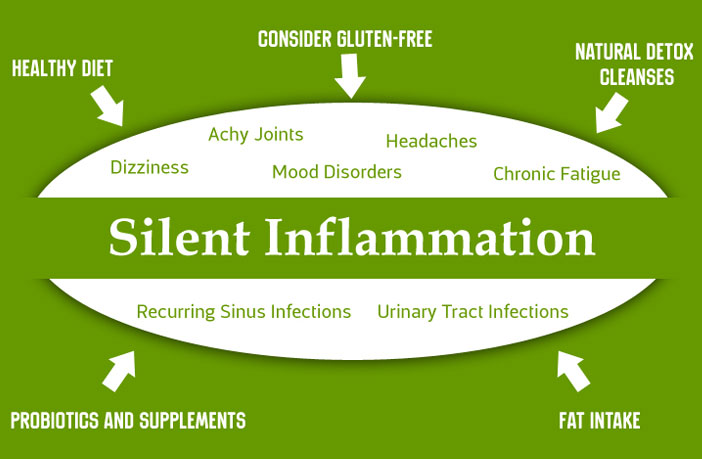
However, medical science is increasingly focused on a far more insidious phenomenon: silent inflammation. Unlike its acute counterpart, silent inflammation—clinically known as chronic low-grade inflammation—does not announce itself with pain or swelling. It is a systemic, smoldering fire that persists for years, often undetected by the patient and overlooked in routine clinical screenings. While it lacks the dramatic symptoms of an acute infection, its long-term presence is now recognized as a primary driver of the most prevalent chronic diseases of the modern era.
As a physician and journalist, I have watched the paradigm shift in how we view systemic health. We no longer see heart disease, type 2 diabetes, and certain cancers as isolated failures of a single organ, but rather as manifestations of a body in a state of persistent inflammatory stress. This “silent” state acts as a systemic disease amplifier, subtly degrading the integrity of blood vessels, altering metabolic function, and compromising the genetic stability of cells.
Understanding the mechanics of silent inflammation is not merely an academic exercise; it is a necessity for preventive medicine. By identifying the triggers and markers of this condition, we can move from treating the symptoms of chronic illness to addressing the underlying biological environment that allows these diseases to flourish.
The Biology of the ‘Smoldering Fire’
To understand silent inflammation, one must first distinguish it from the acute inflammatory response. Acute inflammation is localized and self-limiting. When you sustain an injury, the body releases pro-inflammatory cytokines to recruit white blood cells to the site of damage. Once the repair is complete, the body produces anti-inflammatory signals to shut the process down.
Silent inflammation occurs when this “off switch” fails or is never fully engaged. Instead of a localized blaze, the body experiences a low-level, systemic inflammatory state. This is often triggered by a combination of genetic predisposition and environmental stressors, such as chronic stress, sedentary behavior, and the consumption of ultra-processed foods. In this state, the immune system remains permanently “on,” releasing a steady trickle of pro-inflammatory markers into the bloodstream.
One of the primary drivers of this process is the dysfunction of adipose tissue, particularly visceral fat. In individuals with obesity, fat cells can become hypertrophic and stressed, eventually recruiting macrophages that secrete pro-inflammatory cytokines. This transforms fat from a simple energy storage site into an active endocrine organ that pumps inflammatory signals throughout the entire body, contributing to what researchers describe as a state of metabolic inflammation.
The Link to Cardiovascular Disease and Diabetes
The impact of silent inflammation is perhaps most evident in the cardiovascular system. For decades, the medical community focused primarily on cholesterol as the driver of atherosclerosis. While lipids are critical, we now know that inflammation is the catalyst that turns a lipid deposit into a dangerous plaque. Chronic inflammation damages the endothelium—the thin inner lining of the blood vessels—making it easier for cholesterol to penetrate the arterial wall and trigger an immune response.
When the immune system attempts to clear these lipids, it creates “foam cells,” which form the core of arterial plaques. If the underlying systemic inflammation remains high, these plaques become unstable and prone to rupture, which can lead to myocardial infarction or stroke. This relationship underscores why managing systemic inflammation is as critical to heart health as managing blood pressure or LDL cholesterol levels.
Similarly, silent inflammation is a cornerstone of the development of type 2 diabetes. The constant presence of pro-inflammatory cytokines interferes with insulin signaling pathways. This creates a state of insulin resistance, where cells in the muscles, liver, and fat no longer respond efficiently to insulin. To compensate, the pancreas produces more insulin, but eventually, the beta cells become exhausted and fail. The National Institutes of Health and other global health bodies have highlighted how this intersection of inflammation and metabolism creates a vicious cycle, where insulin resistance promotes more inflammation, which in turn further impairs glucose regulation.
Fueling Cancer and Neurodegeneration
The relationship between silent inflammation and oncology is equally concerning. While acute inflammation helps the body fight off abnormal cells, chronic inflammation can do the opposite. A persistent inflammatory environment promotes the production of reactive oxygen species, which can cause oxidative stress and lead to DNA mutations. This genetic instability is a prerequisite for the initiation of many types of cancer.
Beyond initiation, silent inflammation can act as a growth factor for existing tumors. Many cancers hijack the body’s inflammatory pathways to promote angiogenesis—the growth of new blood vessels that feed the tumor. Chronic inflammation can suppress the activity of T-cells, the “soldiers” of the immune system, effectively creating a shield that allows cancer cells to evade detection and spread to other parts of the body.
In the brain, this process is referred to as neuroinflammation. The blood-brain barrier, once thought to be impermeable to systemic signals, is now known to be sensitive to peripheral inflammation. Chronic systemic inflammation can activate microglia—the resident immune cells of the brain. When microglia remain chronically activated, they release neurotoxins and pro-inflammatory cytokines that damage neurons and interfere with synaptic plasticity. This process is increasingly linked to the progression of neurodegenerative disorders, including Alzheimer’s disease and Parkinson’s disease, where inflammatory markers are often found in the plaques and tangles characteristic of these conditions.
Detecting the Invisible: Biomarkers of Inflammation
Because silent inflammation does not present with obvious symptoms, clinicians rely on specific biomarkers to identify its presence. The most common of these is high-sensitivity C-reactive protein (hs-CRP). CRP is a protein produced by the liver in response to inflammation. While a standard CRP test looks for high levels indicative of an acute infection, the “high-sensitivity” version can detect the subtle elevations associated with chronic low-grade inflammation.
Other critical markers include:
- Interleukin-6 (IL-6): A pro-inflammatory cytokine that plays a central role in the systemic inflammatory response.
- Tumor Necrosis Factor-alpha (TNF-α): A potent signaling protein involved in systemic inflammation and the development of insulin resistance.
- GlycA: An emerging marker that reflects the overall glycosylation of proteins, providing a broader snapshot of systemic inflammation.
a single elevated marker is rarely a diagnosis on its own. Instead, these biomarkers are used as risk-stratification tools. For example, a patient with “normal” cholesterol but high hs-CRP may be at a significantly higher risk for a cardiovascular event than a patient with high cholesterol and low inflammation.
Mitigating the Risk: A Multi-Pronged Approach
The most encouraging aspect of current research into silent inflammation is that it is largely modifiable. Unlike genetic predispositions, the drivers of chronic low-grade inflammation are often tied to lifestyle factors that can be adjusted.
Nutritional Intervention: The transition from a Western diet—high in refined sugars, trans fats, and ultra-processed foods—to an anti-inflammatory pattern is the most effective intervention. Diets rich in omega-3 fatty acids (found in fatty fish and flaxseeds), polyphenols (found in berries and dark leafy greens), and fiber help modulate the immune response. The Mediterranean diet, in particular, is widely recognized for its ability to lower systemic inflammatory markers.
Physical Activity: While intense, exhaustive exercise can cause a temporary spike in acute inflammation, regular moderate exercise has a profound anti-inflammatory effect. Skeletal muscle acts as an endocrine organ; when it contracts, it releases “myokines,” which help neutralize pro-inflammatory cytokines and improve insulin sensitivity.
Sleep and Stress Management: Chronic sleep deprivation and prolonged psychological stress elevate cortisol levels. While cortisol is initially anti-inflammatory, chronic exposure can lead to “glucocorticoid resistance,” where the immune system stops responding to cortisol’s calming signals, allowing inflammation to run unchecked. Prioritizing sleep hygiene and mindfulness practices are not just “wellness” trends; they are biological imperatives for controlling systemic inflammation.
Key Takeaways for Preventive Health
| Target System | Inflammatory Impact | Primary Mitigation Strategy |
|---|---|---|
| Cardiovascular | Endothelial damage & plaque instability | Omega-3s & aerobic exercise |
| Metabolic | Insulin resistance & beta-cell stress | Low-glycemic diet & weight management |
| Oncological | DNA mutation & tumor angiogenesis | Antioxidant-rich foods & toxin avoidance |
| Neurological | Microglial activation & neuronal injury | Quality sleep & cognitive engagement |
The Future of Inflammatory Medicine
We are entering an era of personalized medicine where we can move beyond “one size fits all” health advice. The next frontier in treating silent inflammation lies in nutrigenomics—understanding how an individual’s unique genetic makeup influences their inflammatory response to specific foods and environments. By combining genomic data with real-time biomarker monitoring, physicians will be able to prescribe precise dietary and lifestyle interventions to “cool” the systemic fire before it manifests as a chronic disease.
The transition from reactive to proactive medicine requires a fundamental shift in how we perceive health. Health is not merely the absence of a diagnosable disease, but the maintenance of a biological environment that resists the progression of inflammation. By addressing the silent drivers of disease today, we can significantly alter the trajectory of our long-term health.
As research continues to evolve, the medical community expects further clarity on the specific thresholds of biomarkers that necessitate clinical intervention. We anticipate more comprehensive guidelines from global health organizations regarding the integration of inflammatory markers into standard annual physical exams.
Do you monitor your inflammatory markers during your annual check-ups? Share your thoughts and experiences in the comments below, or share this article with someone who is taking a proactive approach to their long-term health.
Related reading
- Victorian Public Hospital Doctors Vote to Strike Over Working Conditions and Pay
- L-Thyroxin: Wann ist eine Behandlung mit Schilddrüsenhormonen wirklich notwendig?
- Warhammer 40,000: Dawn of War IV Reveals Necrons as Third Playable Faction (time.news)
- Why Do Hurricanes Stall Over Land? The Science, Explained (daybreakwire.com)