
Indonesia has implemented stringent health monitoring for passengers arriving on flights from South America as part of a proactive effort to prevent the introduction and spread of hantavirus. The Ministry of Health (Kemenkes) is coordinating a nationwide surveillance strategy to identify potential cases early, following reports of a viral cluster linked to the MV Hondius cruise ship.
This escalation in vigilance comes as health authorities work to distinguish between different strains of the virus and ensure that the healthcare system can rapidly isolate and treat infected individuals. By focusing on high-risk travel routes and activating a network of specialized hospitals, Indonesia aims to mitigate the risk of a wider public health crisis.
As a physician and journalist, I have seen how quickly zoonotic diseases—those that jump from animals to humans—can challenge global health infrastructure. The current situation in Indonesia highlights the critical intersection of international travel and infectious disease control. While hantavirus is rare, its potential for severe respiratory and renal complications makes early detection not just a policy goal, but a clinical necessity.
The current hantavirus surveillance in Indonesia is not merely a reaction to a single event but a systemic reinforcement of the country’s emerging infectious disease protocols. By integrating PCR testing and sentinel surveillance, the government is attempting to create a safety net that can catch rare pathogens before they establish a foothold in the local population.
The MV Hondius Cluster and the South American Connection
The catalyst for the current state of alert is a cluster of hantavirus cases associated with the MV Hondius cruise ship. Reports indicate that the outbreak occurred during a voyage that traveled from Argentina to Spain, regions where certain hantavirus strains are endemic. The concern for Indonesian authorities intensified after a foreign national based in Jakarta, who had close contact with an infected patient aboard the vessel, was identified.
Hantaviruses are primarily rodent-borne, but the MV Hondius incident has drawn attention to the rare possibility of human-to-human transmission. While most hantaviruses require contact with rodent excreta, the Andes virus—prevalent in South America—is the only known strain capable of spreading between people through close contact. This specific characteristic makes the monitoring of travelers from South American regions a priority for the Ministry of Health.
The World Health Organization (WHO) has been involved in confirming cases and providing guidance on the management of the outbreak. The complexity of the MV Hondius situation lies in the diverse demographics of cruise passengers, who often travel across multiple continents in a single trip, potentially transporting the virus across borders before symptoms manifest.
National Response: Sentinel Hospitals and Diagnostic Rigor
To manage the risk, the Indonesian government has deployed a two-tier hospital response system. The Ministry of Health has designated 21 sentinel hospitals across 20 provinces to act as the first line of defense. These facilities are tasked with active surveillance, meaning they are specifically looking for patients who present with symptoms that could indicate hantavirus infection.
Supporting these sentinel sites is a broader network of 198 referral hospitals. These institutions are equipped to handle more complex cases of emerging infectious diseases, providing the intensive care and isolation capabilities necessary to treat severe hantavirus syndromes while preventing nosocomial spread.
A critical component of this strategy is the use of Polymerase Chain Reaction (PCR) testing. Health officials have emphasized that PCR is essential for distinguishing hantavirus from other diseases with similar presentations, such as leptospirosis or acute liver failure. Because early symptoms of hantavirus can be non-specific, clinicians are being advised not to assume that patients presenting with jaundice—the yellowing of the skin and eyes—are suffering from standard liver disease.
The diagnostic process involves a two-step verification: first, a PCR test to confirm the presence of the hantavirus, and second, strain identification to determine if the patient has contracted the Hemorrhagic Fever with Renal Syndrome (HFRS) type or the Hantavirus Pulmonary Syndrome (HPS) type. This distinction is vital, as the two syndromes affect different organ systems and require different clinical management strategies.
Medical Explainer: Understanding HFRS vs. HPS
For those unfamiliar with this family of viruses, This proves important to understand that “hantavirus” is not a single disease but a group of viruses that cause two distinct clinical syndromes depending on the strain and the geographic origin.
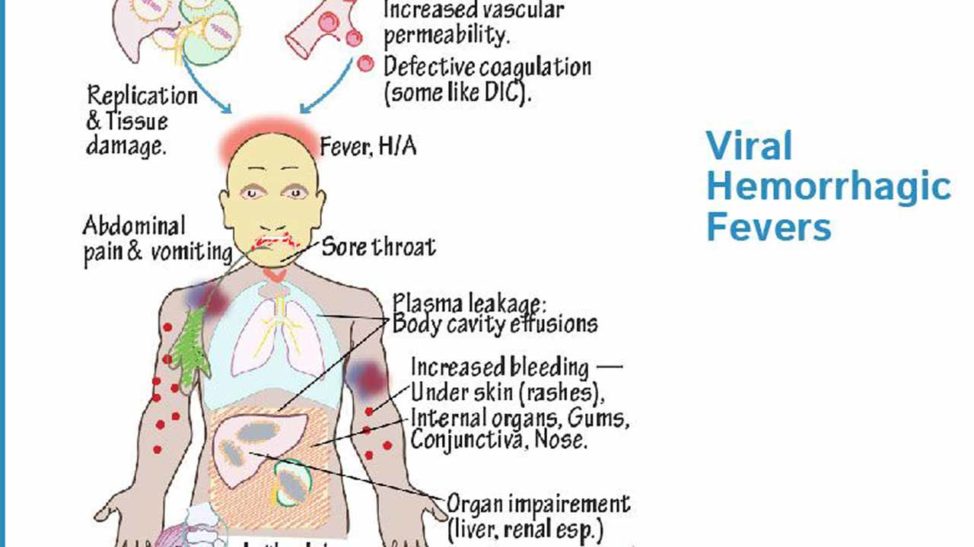
Hemorrhagic Fever with Renal Syndrome (HFRS)
HFRS is more common in Europe and Asia. It is often associated with the Seoul virus, which is carried by brown rats and is found worldwide, including in Indonesia. This syndrome primarily attacks the kidneys. Patients typically experience a sudden onset of fever, back pain, and abdominal pain. As the disease progresses, it can lead to acute kidney failure and internal bleeding (hemorrhage), which is where the “hemorrhagic fever” designation originates.
Hantavirus Pulmonary Syndrome (HPS)
HPS is more prevalent in the Americas and is typically spread by deer mice and other rodents. Unlike HFRS, this syndrome targets the lungs. The progression is often rapid: early flu-like symptoms (fever, muscle aches) quickly evolve into severe shortness of breath as the lungs fill with fluid. HPS has a significantly higher mortality rate than HFRS and requires immediate respiratory support, often including mechanical ventilation.
The distinction between these two is crucial for the Indonesian Ministry of Health because the country has historically dealt with HFRS-type strains. The introduction of an HPS-type strain from South America would represent a new clinical challenge for local healthcare providers, necessitating different triage and treatment protocols.
Transmission and Public Health Prevention
Understanding how hantavirus spreads is the first step in prevention. According to the Centers for Disease Control and Prevention (CDC), humans typically contract the virus through “aerosolization.” This happens when rodent urine, droppings, or saliva are stirred up into the air (for example, during sweeping or cleaning a dusty shed) and then inhaled by a human.
While bites and scratches from rodents can transmit the virus, this is considered rare. The primary risk remains the inhalation of contaminated dust. For the general public, the most effective prevention strategies include:
- Rodent Control: Sealing holes in homes and using traps to eliminate rodent populations.
- Safe Cleaning: Avoiding dry sweeping or vacuuming in areas where rodents have nested. Instead, using a disinfectant or a bleach solution to wet down the area before cleaning to prevent the virus from becoming airborne.
- Food Storage: Keeping food in rodent-proof containers to discourage animals from entering living spaces.
In the context of the current travel alerts, the risk to the general public remains low. However, travelers returning from South America who experience unexplained fever, severe muscle aches, or respiratory distress are urged to seek medical attention immediately and disclose their travel history to their healthcare provider.
The Global Implications of Zoonotic Surveillance
The Indonesian response to the MV Hondius cluster is a microcosm of a larger global health challenge. As climate change alters rodent habitats and international tourism increases, the likelihood of “spillover” events—where viruses move from animals to humans—increases. The ability of a nation to detect a rare virus like hantavirus through a network of sentinel hospitals is a benchmark for its overall pandemic preparedness.
The coordination between the Indonesian Ministry of Health and the WHO demonstrates the importance of the International Health Regulations (IHR), which mandate that countries report and respond to potential public health emergencies of international concern. By monitoring flights and strengthening diagnostic capacities, Indonesia is not only protecting its own citizens but also contributing to the global effort to contain emerging pathogens.
From a policy perspective, the focus on PCR testing highlights a shift toward “precision public health.” Rather than relying on broad symptomatic screenings, which can lead to false positives and unnecessary panic, the use of molecular diagnostics allows for the rapid and accurate identification of specific viral strains.
Key Takeaways for Travelers and Residents
- Monitoring: Indonesia is screening passengers from South America due to a hantavirus cluster on the MV Hondius.
- Symptoms: Early signs include fever, fatigue, and muscle aches. Late-stage HPS involves shortness of breath; late-stage HFRS involves kidney issues and jaundice.
- Transmission: Mostly via inhalation of rodent droppings/urine; human-to-human spread is extremely rare and linked primarily to the Andes virus.
- Action: If you have recently traveled to South America and feel ill, contact a healthcare provider and mention your travel history.
The next critical checkpoint for this situation will be the updated surveillance reports from the Ministry of Health regarding the effectiveness of the sentinel hospital network and any new confirmed cases within the country. Health authorities are expected to provide further guidance if the travel monitoring protocols are expanded or modified.
Do you have questions about travel health precautions or the nature of zoonotic diseases? Share your thoughts in the comments below or share this article with your network to help spread accurate health information.
Worth a look