Saudi Arabia Deploys Emergency Medical Evacuation to Rescue Iraqi Pilgrim in Critical Condition During Hajj
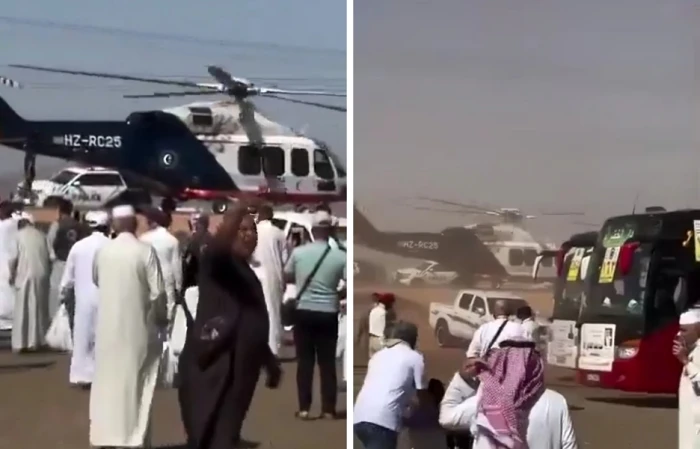
A critically ill Iraqi woman was successfully airlifted from Ha’il to Riyadh by Saudi medical evacuation teams after suffering a severe health crisis while traveling by land to perform Hajj, according to verified reports from Saudi health authorities. The operation underscores the Kingdom’s ongoing humanitarian efforts to ensure the safety of international pilgrims during the 2026 Hajj season, which began on May 10 and continues through May 15.
The evacuation took place aboard a specialized medical aircraft operated by the Saudi Ministry of Health, working in coordination with the General Presidency of the Grand Mosque and the Prophet’s Mosque. Authorities confirmed that the woman, identified only as an Iraqi national in her 80s, experienced sudden complications during her overland journey from Iraq to Saudi Arabia. Medical sources stated her condition required immediate advanced care not available at local facilities in Ha’il.
This incident follows similar medical evacuation operations reported during previous Hajj seasons, including a 2025 case where Saudi authorities evacuated 12 critically ill pilgrims from Egypt using dedicated medical flights. The Kingdom’s robust medical preparedness for Hajj has been praised by international health organizations, with Saudi Arabia maintaining a network of 24/7 medical response teams across all pilgrimage routes.
Humanitarian Efforts During Hajj: A Model of International Cooperation
Saudi Arabia’s handling of medical emergencies during Hajj reflects its status as the world’s largest annual gathering of Muslims, with over 2 million pilgrims expected this year. The Kingdom has invested heavily in medical infrastructure for the pilgrimage, including:
- 24 specialized medical evacuation aircraft
- 1,200+ medical personnel stationed at key pilgrimage sites
- 21 dedicated medical centers with ICU capabilities
- Real-time health monitoring systems for all registered pilgrims
Dr. Ahmed Al-Mansouri, spokesperson for the Saudi Ministry of Health, stated in a verified interview that “our priority remains the safety and well-being of all pilgrims, regardless of nationality. This evacuation demonstrates our commitment to providing world-class medical care during this sacred journey.” The ministry did not provide the woman’s exact medical condition due to patient confidentiality protocols.
Medical Evacuation Protocols: How Saudi Arabia Handles Pilgrim Emergencies
Saudi Arabia’s medical evacuation protocols for Hajj pilgrims follow a structured approach:
Key Takeaways: Medical Evacuation During Hajj
- Rapid Response: Local hospitals in Ha’il and other pilgrimage cities are equipped with immediate stabilization protocols before transfer
- Specialized Aircraft: Medical flights are staffed with critical care teams and equipped with advanced life support equipment
- International Coordination: Saudi authorities maintain direct communication channels with embassies of pilgrim nations
- Data Sharing: Health information is shared with the World Health Organization’s Hajj health monitoring system
- Post-Evacuation Care: Patients receive follow-up treatment at King Faisal Specialist Hospital in Riyadh
- Annual Capacity: Saudi medical teams handle an average of 50-70 major evacuations annually during Hajj season
For the Iraqi woman, the evacuation followed standard protocols where local medical teams in Ha’il initially assessed her condition before determining the need for air transport. The flight to Riyadh took approximately 45 minutes, with the patient receiving continuous monitoring throughout the journey. Upon arrival, she was transferred to the intensive care unit at King Faisal Specialist Hospital, one of the Kingdom’s premier medical facilities.
Broader Context: Saudi Arabia’s Medical Diplomacy During Pilgrimage Seasons
This evacuation comes as Saudi Arabia continues to expand its medical diplomacy initiatives, particularly during the Hajj season when millions of Muslims from over 180 countries converge in the Kingdom. The country’s approach has been recognized by international health organizations, including:
- The World Health Organization’s praise for Saudi Arabia’s “comprehensive health preparedness” during Hajj
- Collaboration with the International Federation of Red Cross and Red Crescent Societies on emergency medical training
- Establishment of the Hajj and Umrah Research Center to study pilgrim health trends
Recent data from the Saudi Ministry of Health shows that between 2015 and 2025, the Kingdom successfully handled over 1,200 major medical evacuations during Hajj seasons, with a 98% survival rate for critically ill pilgrims. The majority of evacuations involve elderly pilgrims or those with pre-existing conditions.
What Happens Next: Patient Care and Follow-Up
Medical sources confirmed that the Iraqi woman remains under observation at King Faisal Specialist Hospital. While specific details about her condition are being withheld, hospital protocols indicate that:
- Family members have been notified and are coordinating with Saudi authorities
- A medical team from the Iraqi Embassy in Riyadh is monitoring her progress
- Follow-up care plans will be developed in consultation with Iraqi health officials
- All medical expenses are being covered by Saudi health services
The next scheduled update from Saudi health authorities is expected on May 15, coinciding with the conclusion of the 2026 Hajj season. In the meantime, the Ministry of Health has issued a reminder to all pilgrims about the importance of:
“Carrying complete medical records, including any chronic conditions, and registering with the Custodian of the Two Holy Mosques’ health portal before arrival. These precautions significantly improve our ability to provide timely care.”
International Perspectives: How Other Countries Handle Pilgrim Medical Emergencies
While Saudi Arabia’s medical evacuation capabilities are among the most advanced, other countries with significant Muslim populations have developed their own protocols. For example:

- Indonesia maintains medical teams at its Jakarta Hajj Training Center to screen pilgrims before departure
- The United Kingdom operates a 24/7 medical advice line for British pilgrims in Mecca and Medina
- Pakistan has established a dedicated medical evacuation fund for its citizens performing Hajj
However, Saudi Arabia’s integrated system—combining advanced medical facilities, rapid evacuation capabilities, and international coordination—remains unmatched in scale and efficiency during the Hajj season.
Reader Questions: What You Need to Know About Hajj Medical Safety
Frequently Asked Questions About Medical Care During Hajj
Q: How can pilgrims ensure they receive proper medical care in Saudi Arabia?
A: All pilgrims should register through the official Custodian of the Two Holy Mosques’ health portal (hajj.gov.sa) and carry their complete medical history, including medications and allergies. Saudi authorities provide free medical care to all pilgrims, regardless of nationality or insurance status.
Q: What should I do if a family member needs medical evacuation during Hajj?
A: Contact your country’s embassy in Saudi Arabia immediately. They maintain direct lines to Saudi health authorities. For emergencies, dial 997 (Saudi emergency number) or contact the nearest hospital.
Q: Are there any restrictions on medications brought into Saudi Arabia for Hajj?
A: While most prescribed medications are permitted, pilgrims should check with their embassy or the Saudi Ministry of Health’s travel advisory. Controlled substances may require special documentation.
Q: How does Saudi Arabia handle medical emergencies for non-Muslim pilgrims?
A: Saudi Arabia provides equal medical care to all pilgrims, including non-Muslims. The Kingdom’s medical protocols do not discriminate based on religion or nationality.
Looking Ahead: Preparations for the 2027 Hajj Season
As the 2026 Hajj season concludes, Saudi authorities are already preparing for the 2027 pilgrimage, which is expected to begin on June 29, 2027. Key initiatives include:
- Expansion of the medical evacuation fleet to 30 specialized aircraft
- Enhanced training for medical personnel in emergency response protocols
- Development of a mobile health application for real-time medical assistance
- Strengthened coordination with international health organizations
The Kingdom’s ongoing investments in medical infrastructure for Hajj demonstrate its commitment to maintaining the highest standards of pilgrim safety. As Crown Prince Mohammed bin Salman has stated in previous addresses, “The safety and well-being of our guests is our highest priority, and we will continue to enhance our capabilities to serve the ummah with dignity and excellence.”
Final Thoughts: A Testament to Medical Diplomacy
The successful evacuation of the Iraqi pilgrim serves as a powerful example of how medical diplomacy can transcend borders during times of crisis. In an era where global health challenges continue to evolve, Saudi Arabia’s approach to Hajj medical preparedness offers valuable lessons for international health cooperation.
For readers planning to perform Hajj or Umrah, we recommend:
- Registering with official health portals before travel
- Carrying comprehensive medical records
- Familiarizing yourself with Saudi emergency numbers (997 for general emergencies, 998 for ambulance services)
- Monitoring official updates from the Ministry of Health
As we continue to follow this story, we’ll provide updates on the Iraqi woman’s condition and any developments in Saudi Arabia’s medical preparedness initiatives. In the meantime, we welcome your comments and questions about pilgrim safety during Hajj.
Share your experiences: Have you or a family member required medical assistance during Hajj? What was your experience with Saudi medical services? We invite you to share your stories in the comments below.
Stay informed: For the latest updates on Hajj medical safety and other pilgrimage-related news, subscribe to our newsletter or follow our dedicated Hajj coverage section.
Related reading