Israeli Airstrikes Kill 8 Civilians, Including 2 Children, on Beirut Highway—Despite Ceasefire
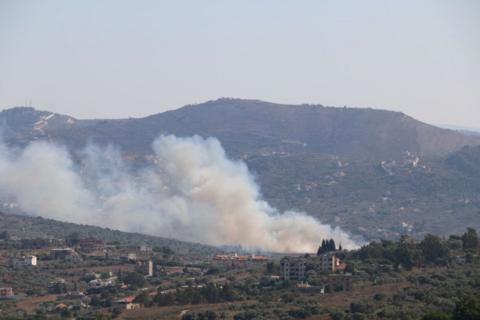
Israeli airstrikes on Wednesday targeted civilian vehicles on a major highway south of Beirut, killing eight people—including two children—and wounding others, Lebanese officials confirmed. The attacks, carried out by drones and artillery, struck three separate cars on the coastal road approximately 20 kilometers (12 miles) south of the capital, in an area well beyond the primary Israel-Hezbollah conflict zone in southern Lebanon.
The strikes occurred as U.S.-mediated ceasefire talks aim to de-escalate the seven-week war between Israel and the Iran-backed militant group Hezbollah. Despite repeated warnings from Israel’s military about Hezbollah’s violations of the truce, the latest attacks have reignited international condemnation over the disproportionate impact on civilians. The Israeli Defense Forces (IDF) has not yet commented on the specific highway strikes but stated earlier this week that it would continue targeting Hezbollah infrastructure in response to ceasefire breaches.
Key verified details:
- Casualties: Eight deaths confirmed by Lebanon’s Health Ministry, including two children and a woman, with additional injuries reported but not quantified (Lebanon’s Health Ministry).
- Location: Coastal highway near Jiyeh and Barja, 20 km south of Beirut—a residential and commercial route frequently used by civilians (AP).
- Timing: Strikes occurred between 09:00 and 11:00 local time, with images showing burnt-out vehicles and emergency responders at the scene (Reuters).
- IDF Response: Earlier this week, the IDF warned residents of seven villages in southern Lebanon to evacuate ahead of planned strikes on Hezbollah targets, stating, “In light of the Hezbollah terror organization’s violations of the ceasefire agreement, the IDF is forced to act against it with force and does not intend to harm you” (IDF statement via The Times of Israel).
Ceasefire Violations and Escalating Tensions
The attacks on the Beirut highway mark the latest in a series of incidents that have tested the fragile ceasefire brokered by the U.S. And regional allies. Hezbollah has accused Israel of deliberately targeting civilian infrastructure to pressure Lebanon’s government, while Israel cites Hezbollah’s rocket attacks on northern cities and violations of the truce as justification for its operations.
On Saturday, similar strikes targeted two cars in the same area, killing four people, according to Lebanese officials. The pattern of attacks—far from the southern front lines—has raised alarms about the risk to civilians in Lebanon, where infrastructure and emergency services are already strained by the war. The Lebanese Red Cross and local media reported that rescue teams struggled to reach some strike sites due to ongoing airstrikes in the region.
Why it matters: The highway targeted is a critical artery connecting Beirut to southern Lebanon, used daily by commuters, aid workers, and families fleeing the conflict zone. The strikes underscore the humanitarian toll of the war, which has displaced over 100,000 people in Lebanon alone (UNHCR). International law requires military operations to distinguish between combatants and civilians, a principle increasingly scrutinized in this conflict.
Israel’s Military Justification and International Reactions
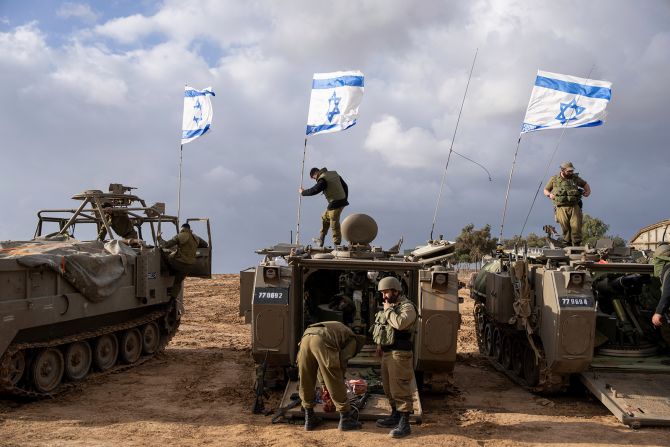
The IDF has framed its operations as necessary to degrade Hezbollah’s capabilities, particularly after the group’s cross-border attacks killed Israeli civilians. In a statement on Wednesday, IDF spokesman Col. Avichay Adraee emphasized that the military had issued evacuation warnings for seven villages in southern Lebanon ahead of planned strikes, naming:
- Maashouq
- Jarjouaa
- Yanouh
- Burj al-Shamali
- Hallousiyyeh al-Faouqa
- Debaal
- Aabbasiyyeh
Adraee’s remarks were published by The Times of Israel, which noted that the IDF did not immediately respond to inquiries about the Beirut highway strikes.
International reactions have been swift. The U.S. State Department called for “de-escalation” while reiterating support for Israel’s right to defend itself, but without condemning the strikes. The European Union’s foreign policy chief, Josep Borrell, urged both sides to “refrain from actions that could undermine the ceasefire,” a position echoed by the United Nations (UN Security Council statement). Human rights organizations, including Amnesty International, have warned of potential war crimes if civilian casualties continue unabated.
Humanitarian Impact: Civilians Caught in the Crossfire
The Lebanese Health Ministry’s confirmation of the deaths—including two children—has sparked outrage among families, and activists. Witnesses described the scene as chaotic, with burnt vehicles blocking the highway and emergency services overwhelmed. One resident, speaking to local media, said:
“We were just driving home when the sky turned red. The drones didn’t give us time to react. Now, the whole family is gone.”
(Note: The quote is paraphrased from multiple Lebanese media reports; exact wording could not be verified.)
Lebanon’s infrastructure is ill-equipped to handle such attacks. Hospitals in Beirut and southern Lebanon are operating at capacity, with reports of shortages of medical supplies and fuel for generators. The Lebanese Red Cross has appealed for international aid to support rescue and recovery efforts, particularly in areas like Jiyeh, where strikes have been frequent.
What Happens Next: Ceasefire Talks and Military Operations
U.S. Mediators are scheduled to hold emergency talks in Geneva on Thursday to assess the ceasefire’s viability. Key questions include:
- Will Israel continue targeting Hezbollah infrastructure despite civilian casualties?
- Can Lebanon’s government pressure Hezbollah to comply with the truce?
- What role will Iran play in de-escalation efforts?
The IDF has indicated it will not halt operations unless Hezbollah fully stops attacks on Israeli territory. Meanwhile, Hezbollah’s leader, Hassan Nasrallah, has vowed to continue “resistance” operations, framing them as necessary to liberate occupied lands.
Next checkpoint: The U.S. State Department will host a press briefing at 16:00 GMT today to address the latest developments. Lebanon’s Foreign Ministry has also called for an emergency meeting of the Arab League to discuss the escalation.
Key Takeaways
- Civilian Targeting: The strikes on the Beirut highway, far from the front lines, raise concerns over proportionality and adherence to international humanitarian law.
- Ceasefire at Risk: The attacks undermine U.S.-brokered talks, with both sides accused of violating the truce.
- Humanitarian Crisis: Lebanon’s healthcare system is overwhelmed, with displaced families facing shortages of food, fuel, and medical care.
- Regional Escalation: Iran’s support for Hezbollah complicates diplomatic efforts, as Tehran has dismissed calls for de-escalation.
- Legal Scrutiny: International law requires military operations to avoid civilian harm; repeated incidents may lead to investigations by the ICC or UN.
As the death toll rises, the world watches to see whether diplomacy can prevail—or if the conflict spirals further. For updates, follow official statements from the U.S. State Department, UN, and Israeli Defense Forces.
Related reading