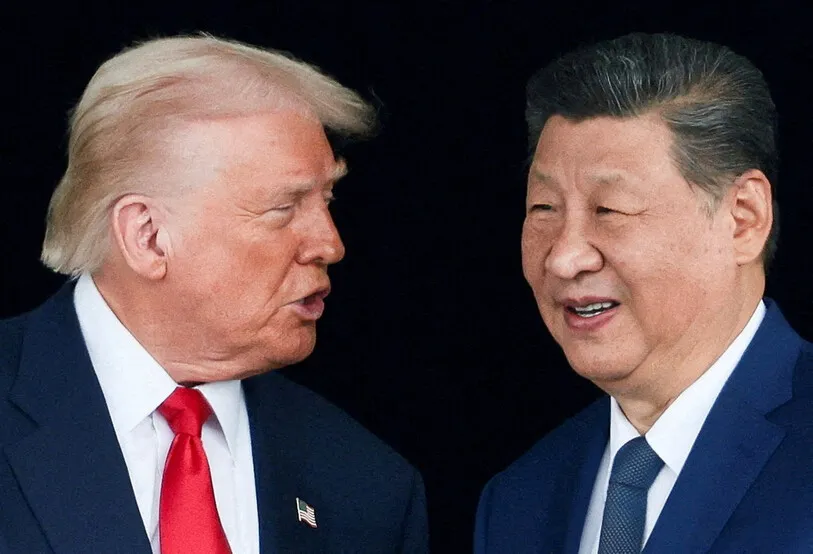
BEIJING — When U.S. President Donald Trump landed in Beijing on Tuesday for a two-day summit with Chinese President Xi Jinping, his public rhetoric focused on reigniting trade talks and easing tensions between the world’s two largest economies. Yet behind closed doors, the escalating war in Iran has emerged as the defining issue overshadowing the discussions, according to diplomatic sources familiar with the preparations.
The visit, which began with Trump’s arrival aboard Air Force One and included a delegation featuring his son Eric Trump and tech billionaire Elon Musk, was initially framed as an opportunity to address long-standing economic disputes. But the shadow of Iran’s regional conflict—particularly concerns over potential spillover into the Strait of Hormuz—has forced both leaders to prioritize security coordination over commercial negotiations.
While Trump has repeatedly emphasized his administration’s “America First” trade agenda, including tariffs and supply chain adjustments, the White House has confirmed that Iran’s destabilization risks now dominate bilateral discussions. “The Iran situation is the elephant in the room,” said one senior U.S. Official, speaking on condition of anonymity. “Both sides recognize that any escalation there would have immediate and catastrophic consequences for global energy markets—and by extension, for their own economic recovery efforts.”
Trade Talk or Security Crisis? How Iran Reshaped the Agenda
Trump’s trip to China—his second since returning to the White House in January 2025—was scheduled to include high-profile meetings with Xi, including a state dinner and working sessions at the Great Hall of the People. The official itinerary, released by the White House, highlighted trade, technology transfers, and Taiwan as key topics. However, internal briefings obtained by Reuters indicate that Iran’s war has consumed at least 60% of the private discussions.
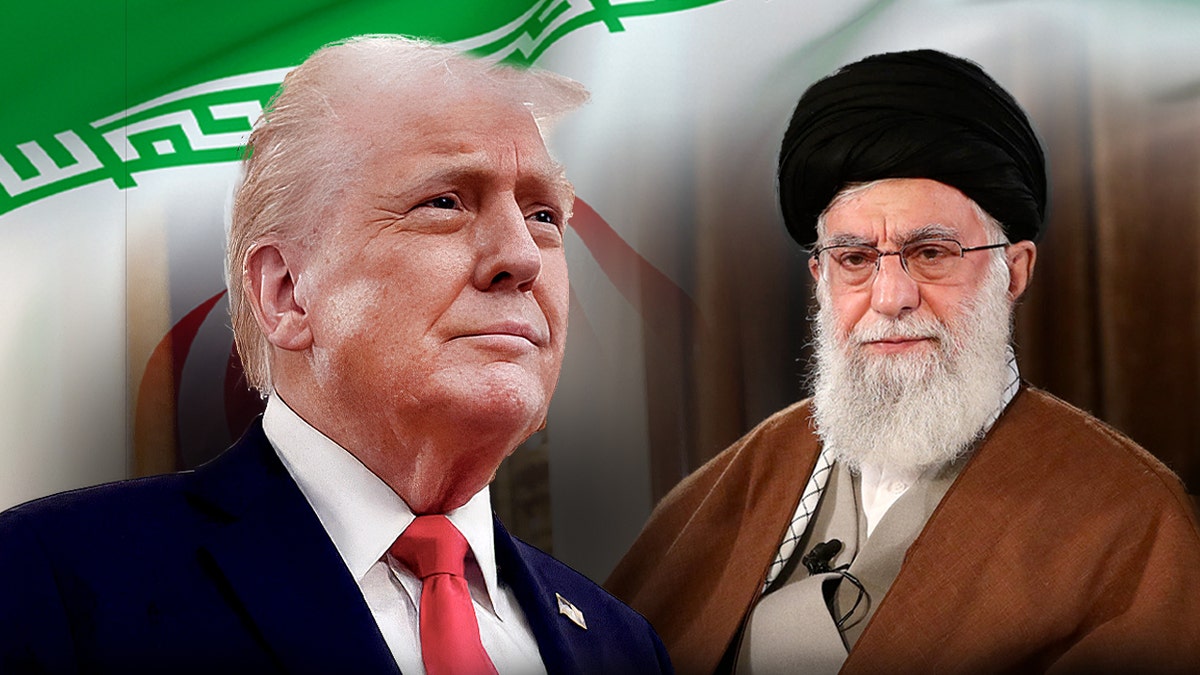
The shift reflects a broader geopolitical realignment. Since January, when Iran launched its cross-border offensive against Israel and regional proxies, both Washington and Beijing have watched nervously as Gulf states—particularly Saudi Arabia and the UAE—have accelerated military cooperation with the U.S. The Strait of Hormuz, a chokepoint for 20% of global oil supplies, has become a flashpoint. “China’s energy security is directly tied to Hormuz’s stability,” said Li Daoyi, a senior fellow at the Chinese Academy of Social Sciences. “Xi cannot afford to ignore this, even if it means sidelining trade talks.”
Key Takeaways:
- Iran war dominates: Security concerns—particularly over Hormuz—have overshadowed trade negotiations, according to U.S. And Chinese sources.
- Delegation details: Trump’s team includes Eric Trump and Elon Musk, signaling a focus on tech and energy sectors amid Iran tensions.
- Gulf states’ role: Saudi and UAE moves toward deeper U.S. Military ties have forced Beijing to engage more directly on regional stability.
- Economic stakes: Both nations fear Iran-related disruptions could trigger a global oil shock, derailing their post-pandemic recoveries.
Who’s Watching—and Why It Matters
The summit’s real audience extends beyond Beijing and Washington. Gulf Arab states, particularly Saudi Arabia and the UAE, are monitoring the talks closely. Riyadh has already announced plans to expand its military base in Yemen, a move analysts say is designed to deter Iranian-backed Houthi attacks. Meanwhile, Tehran’s recent threats to close the Strait of Hormuz—if Western powers intervene in the Israel-Iran conflict—have sent shockwaves through global markets.
For Trump, the visit presents a delicate balancing act. Domestically, he faces pressure to deliver on trade promises after a tumultuous first term marked by economic volatility. Yet the Iran crisis offers an unexpected opportunity: framing China as a potential partner in managing regional risks. “This isn’t just about tariffs anymore,” said a former U.S. Diplomat. “It’s about whether China will help stabilize a crisis that could destabilize the entire Indo-Pacific.”
Xi, too, faces domestic constraints. While China has historically avoided direct involvement in Middle East conflicts, its economic ties to Iran—including oil imports and trade—make neutrality politically difficult. Analysts suggest Beijing may propose a “non-interference” framework to limit U.S. Military options in the region, in exchange for Washington’s restraint on Taiwan and tech sanctions.
What Happens Next?
The next critical checkpoint will be the joint press conference scheduled for Thursday afternoon, where Trump and Xi are expected to release a vague statement on “regional stability.” However, sources indicate that any concrete agreements on Iran will remain classified. Meanwhile, Gulf states are preparing for potential escalations:
- Saudi Arabia: Expanding air defense systems in the Red Sea (BBC).
- UAE: Accelerating drone purchases from Turkey (WSJ).
- Israel: Reportedly seeking U.S. Approval for limited strikes on Iranian supply chains (Financial Times).
As for the trade talks? Officials acknowledge they’ve been pushed to the backburner. “The best-case scenario is a pause in the Iran conflict,” said one U.S. Official. “The worst case is that this summit becomes a hostage to the region’s instability.”
Reader Q&A: What to Watch For
Q: Will Trump impose new tariffs on China?
A: Unlikely during this visit. Sources say trade issues are on the agenda but not the priority. Any tariff decisions would likely wait until after the Iran situation stabilizes.
Q: Could China and the U.S. Coordinate on Iran?
A: Possible, but limited. China has historically opposed U.S. Military actions in the Middle East. Expect vague language on “diplomatic efforts” rather than joint operations.
Q: How might this affect global oil prices?
A: Markets are already pricing in risks. Any hint of Hormuz instability could push Brent crude above $90/barrel, according to Bloomberg analysts.
Q: What’s the role of Elon Musk and Eric Trump in these talks?
A: Musk’s presence suggests discussions on tech supply chains (e.g., semiconductors, AI) and energy transitions. Eric Trump’s inclusion may signal focus on real estate and infrastructure deals—though these are secondary to security concerns.
For real-time updates, monitor:
- White House press briefings: whitehouse.gov
- Chinese Foreign Ministry statements: fmprc.gov.cn
- U.S. Energy Information Administration: eia.gov (for oil market trends)
What do you think: Are Trump and Xi’s talks a distraction from Iran, or an opportunity to reset U.S.-China relations? Share your views in the comments below.
Worth a look