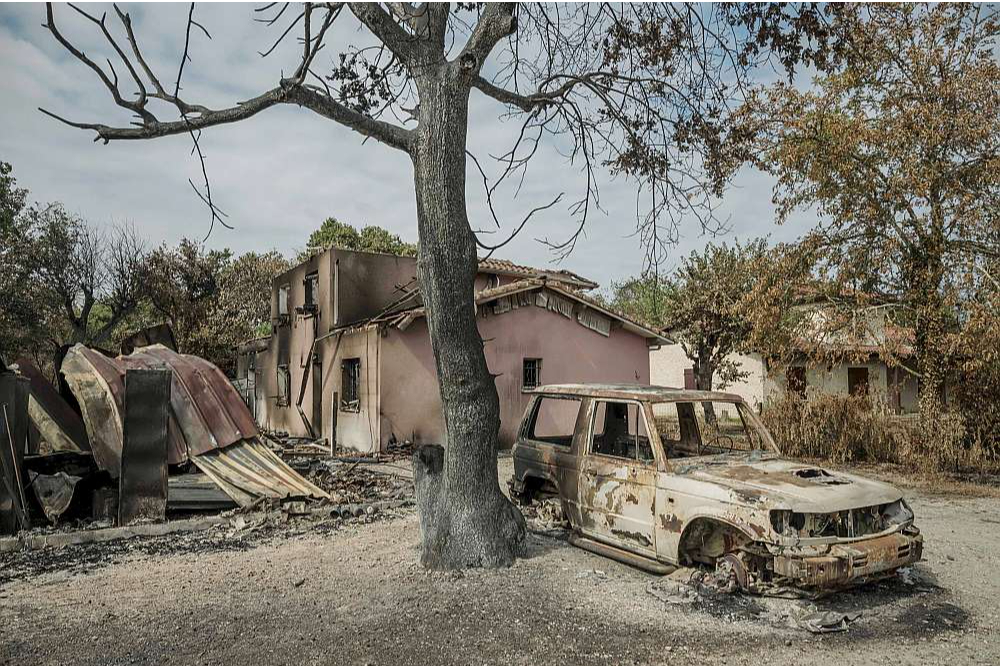
Europe’s escalating wildfire crisis has driven suppression and recovery costs past the €3 billion mark this season. Persistent atmospheric heat domes and severe long-term droughts have created fire weather across the continent, transforming seasonal blazes into explosive, fast-moving emergencies.
The convergence of prolonged dry spells and high-pressure weather systems has left vegetation dry. Intense heat domes trap hot air over specific regions for weeks at a time, baking soils and evaporating moisture from forests and agricultural lands before fires even ignite.
Economic and Ecological Toll of Extreme Heat Domes
The financial impact of this year’s wildfires extends far beyond immediate property destruction. Total damages have surpassed €3 billion.
Intense heat domes act as thermal engines, creating localized wind patterns and extreme updrafts that can carry embers miles ahead of a primary front. When combined with severe soil moisture deficits, these conditions deprive forests of their natural resilience.
Policy Responses
Next Steps and Official Monitoring
What are your thoughts on how European cities and rural communities can better adapt to these intensifying climate pressures? Share your perspective in the comments below.