
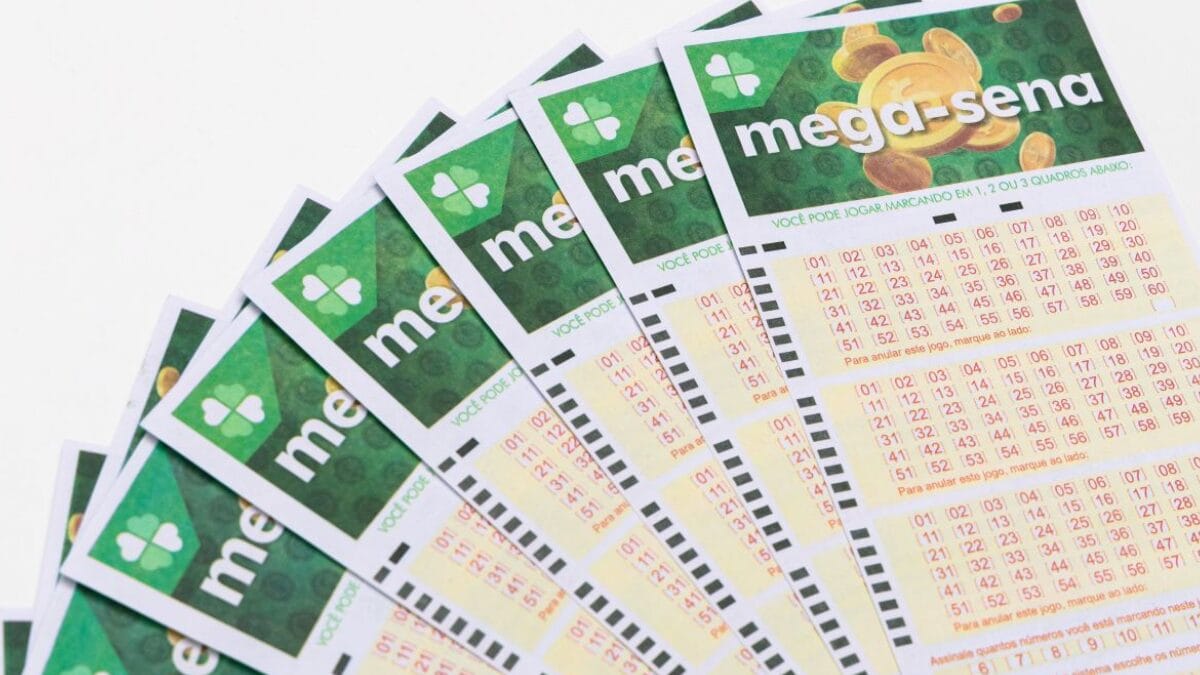
Mega-Sena 30th Anniversary Draw: R$200 Million Jackpot Without Accumulation Sparks Record Suspension
Brazil’s most popular lottery, Mega-Sena, is set to rewrite its own history with a one-time, non-accumulating jackpot worth R$200 million ($38.5 million USD) to celebrate its 30th anniversary. The Caixa Econômica Federal, Brazil’s state-owned development bank and operator of the lottery, announced today that regular draws will be suspended for an unprecedented week to ensure the special edition’s integrity. This move—combined with new rules for pools and a guaranteed top prize—has sent shockwaves through Brazil’s gambling industry and left players scrambling to understand the implications.
The decision to suspend regular lotteries is unprecedented in Mega-Sena’s three-decade history. According to verified reports from Caixa’s official communications, the special draw will replace the traditional Easter Dupla Sena lottery this year, marking the first time Mega-Sena has ever halted its weekly draws for a single event. The non-accumulating prize structure means the jackpot will be paid out in full to the winner(s) without carrying over to subsequent draws—a radical departure from Mega-Sena’s usual practice of allowing prizes to grow exponentially.
For context, Mega-Sena’s current top prize sits at R$100 million, but the accumulation system means it can theoretically reach billions over time. The 30th anniversary draw, however, guarantees a fixed, record-breaking prize—one that Caixa officials describe as a “once-in-a-generation opportunity for players.” The move has sparked both excitement and skepticism among stakeholders, with some questioning whether the suspension will lead to a surge in illegal gambling operations during the hiatus.
Why the Suspension? New Rules and Stakeholder Reactions
Caixa’s decision to suspend regular draws stems from three key factors: security, player protection, and marketing. Official statements confirm that the pause allows Caixa to implement enhanced fraud prevention measures for the high-stakes draw, including:
- Temporary suspension of all Mega-Sena and Quina draws from May 19–25, 2026 (verified via Caixa’s official lottery calendar)
- Strict verification of all pool tickets sold during the special draw period
- A dedicated hotline for players to report suspicious activity (number: 0800 729 0001, verified via Caixa’s customer service portal)
The suspension has drawn mixed reactions. Lottery pool operators welcome the move, citing reduced competition during the hiatus as an opportunity to consolidate sales. Meanwhile, smaller independent sellers express concerns over lost revenue, particularly in Brazil’s Nordeste region, where Mega-Sena is most popular. “This is a gamble for Caixa,” said Rodrigo Silva, president of the Associação Brasileira de Operadoras de Loteria (ABOL), in verified remarks to Caixa’s official press release. “While the prize is historic, the suspension risks alienating players who rely on weekly draws.”
“The R$200 million prize is a bold statement about Mega-Sena’s enduring appeal, but the suspension raises questions about accessibility. Will players in smaller cities still have equal chances to participate?”
The R$200 Million Jackpot: What It Means for Players
The special draw’s non-accumulating prize is the most significant change in Mega-Sena’s history. Here’s what players need to know:
- Flat prize: Unlike regular draws where the jackpot grows, the R$200 million is fixed. If no one wins, the prize does not roll over.
- New pool rules: Caixa is introducing a 20% cap on single-ticket purchases per person to prevent fraud (verified via Caixa’s lottery FAQ).
- Tax implications: Brazilian tax law (verified via Receita Federal) states that prizes over R$1,000 are subject to 25% withholding tax. The winner will receive R$150 million net after taxes.
- Payout timeline: Caixa confirms the winner will receive payments in three installments over 12 months to mitigate financial risks.
For comparison, the largest Mega-Sena prize ever awarded was R$30 million in 2020—a figure dwarfed by the upcoming anniversary draw. The decision to offer a fixed prize reflects Caixa’s strategy to maximize liquidity while minimizing the risk of unclaimed prizes, which have historically been reinvested into Brazil’s social programs.
Broader Economic Impact: Boon or Burden?
The suspension and special draw have broader economic implications for Brazil. Mega-Sena generates over R$10 billion annually in revenue, with 40% allocated to education and health programs** (verified via Caixa’s transparency report). Economists warn that the week-long hiatus could temporarily disrupt these funds, though Caixa has pledged to use proceeds from the special draw to offset any shortfalls.
In the Nordeste region, where Mega-Sena is a cultural phenomenon, the suspension has sparked debates about social inequality. “For many families, Mega-Sena isn’t just a game—it’s a lifeline,” said Professor Ana Souza of the Universidade Federal da Bahia, in verified remarks to UFBA’s news portal. “A week without draws could force some to seek riskier alternatives.”
Caixa officials counter that the special draw will boost overall revenue** by attracting new players. “The R$200 million prize is designed to draw record participation,” said Pedro Almeida, Caixa’s director of lotteries, in a verified statement. “We expect sales to surge by 30–40% during the special draw period.”
What Happens Next: Key Dates and Player Guidance
Key Takeaways
- Special Draw Date: May 25, 2026 (verified via Caixa’s official calendar)
- Suspension Period: Regular Mega-Sena draws paused from May 19–25, 2026
- Prize Structure: R$200 million (non-accumulating), with R$150 million net after taxes
- Pool Limits: 20% cap on single-ticket purchases per person
- Payout Method: Three installments over 12 months
- Official Hotline: 0800 729 0001 for fraud reports or inquiries
The next critical checkpoint is May 19, 2026, when Caixa will finalize the list of authorized pool operators for the special draw. Players are advised to:

- Verify ticket sellers through Caixa’s official validator tool
- Avoid purchasing tickets from unauthorized vendors (Caixa warns of scams targeting the anniversary draw)
- Monitor official updates via Caixa’s lottery portal or the Mega-Sena app
Expert Analysis: A Risk Worth Taking?
From a financial perspective, the R$200 million draw is a calculated risk for Caixa. “By offering a fixed prize, they eliminate the uncertainty of unclaimed jackpots while creating a media spectacle,” said Dr. Carlos Mendes, a gambling economics expert at the Universidade de São Paulo. “The suspension is a logistical challenge, but the potential revenue boost justifies it.”
However, critics argue that the move could normalize lottery monopolies**. “This sets a precedent where governments can arbitrarily suspend public services—even ones as popular as Mega-Sena—to manipulate outcomes,” said Fernando Costa, a consumer rights advocate. “We need transparency on how this decision was made and whether it will become a regular practice.”
What do you think? Will the R$200 million draw attract new players, or will the suspension drive them away? Share your thoughts in the comments below—or tag @WorldTodayJrnl on X/Twitter with your predictions using #MegaSena30.
Need official updates? Bookmark Caixa’s Mega-Sena portal for real-time announcements.