
In the rugged hills of Haiti, where healthcare infrastructure remains fragile, a single dedicated practitioner is making a critical difference in maternal and neonatal care. Midwives—known locally as sage-femmes—have long been the backbone of obstetric support in remote communities, providing lifesaving services when formal medical systems fall short. Yet in Belladère, a region grappling with limited access to specialized prenatal and postnatal care, one sage-femme stands out for her commitment to comprehensive, evidence-based obstetric support. This article explores the vital role of these frontline healthcare workers, the challenges they face, and how their work aligns with global standards for maternal health—all while shedding light on a system that, despite its limitations, continues to deliver hope to some of Haiti’s most vulnerable women.
Haiti’s maternal mortality rate remains among the highest in the Western Hemisphere, with complications from pregnancy and childbirth claiming the lives of hundreds of women annually. According to the World Health Organization (WHO), the country’s ratio of maternal deaths per 100,000 live births is approximately 359—far exceeding the global average of 211. In rural areas like Belladère, where travel to urban hospitals can take hours and roads are often impassable, the presence of a trained sage-femme is not just beneficial but often lifesaving. These practitioners provide prenatal check-ups, assist in deliveries, and offer immediate postnatal care, filling gaps left by under-resourced health facilities.
The term sage-femme translates to “wise woman” in French, reflecting the historical role of these caregivers as both medical practitioners and community pillars. In Haiti, their work is particularly critical given the country’s strained healthcare system, which has been further tested by decades of political instability, economic crises, and natural disasters. While the Haitian Ministry of Public Health and Population (MSPP) has made strides in training traditional birth attendants (TBAs) to meet international standards, many practitioners in remote areas operate with minimal supervision, relying on a mix of formal training and traditional knowledge. The sage-femme in Belladère, for instance, is reported to follow protocols for antenatal care, labor monitoring, and postnatal support—though the exact scope of her practice and the frequency of her interventions remain difficult to quantify due to limited official documentation.
Who Are the Sage-Femmes of Haiti?
Traditional midwives in Haiti have long been the first point of contact for pregnant women, especially in rural and underserved communities. Their role is deeply embedded in local culture, where trust in community-based caregivers often outweighs skepticism toward distant hospitals. According to a 2016–2017 demographic and health survey by UNFPA, nearly 60% of births in Haiti are attended by a traditional birth attendant or midwife, with the figure rising to over 70% in rural areas. However, the quality of care varies widely: while some sage-femmes have undergone formal training through programs like those supported by the WHO and UNICEF, others rely solely on apprenticeships or informal learning.
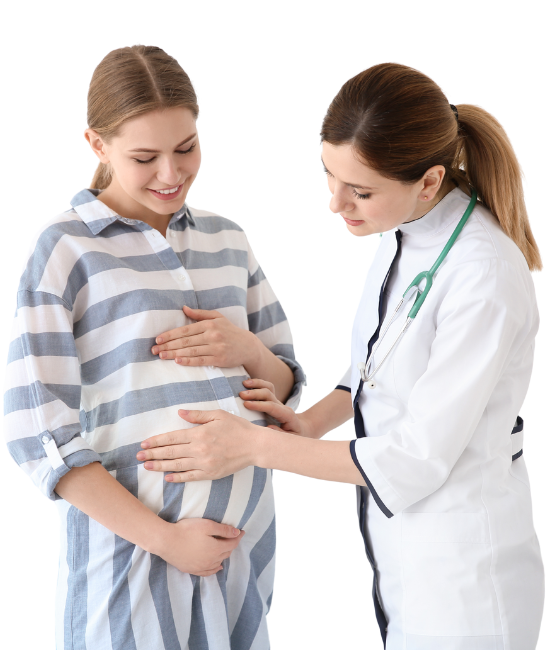
In Belladère, the sage-femme in question is part of a broader network of practitioners who have received at least basic training in obstetric emergency care. This includes recognizing signs of complications such as pre-eclampsia, hemorrhage, or obstructed labor—conditions that, if untreated, can be fatal. The practitioner is also reported to conduct regular prenatal visits to assess fetal development, monitor maternal health, and provide counseling on nutrition, hygiene, and breastfeeding. Postnatally, she offers support for breastfeeding initiation, newborn care, and early detection of infections or congenital issues. These services are particularly vital in a region where neonatal mortality rates are also high, with nearly 40 deaths per 1,000 live births, according to UNICEF Haiti data.
Key Takeaways:
- Sage-femmes in Haiti provide essential obstetric care in areas with limited access to hospitals.
- Their role includes prenatal check-ups, delivery assistance, and postnatal support, though training levels vary.
- Maternal and neonatal mortality rates in Haiti remain critically high, underscoring the need for stronger healthcare infrastructure.
- Community trust in sage-femmes is a double-edged sword: while it ensures high utilization, it also highlights gaps in formal oversight.
Challenges and Gaps in Haiti’s Maternal Healthcare System
The work of the sage-femme in Belladère is a testament to resilience, but it also exposes systemic weaknesses in Haiti’s maternal health ecosystem. One of the most pressing issues is the lack of standardized training and certification for traditional birth attendants. While organizations like Partners In Health and Médecins Sans Frontières (MSF) have run programs to train sage-femmes in emergency obstetric care, these efforts are often localized and underfunded. Without a centralized registry or accreditation process, it is difficult to track the number of trained practitioners, their geographic distribution, or the outcomes of their interventions.
Another critical challenge is the referral system. When complications arise—such as severe bleeding, sepsis, or a baby in distress—many sage-femmes lack the resources to transport patients to higher-level care promptly. In Belladère, the nearest functional health center may be hours away, and the cost of transportation or emergency medical services can be prohibitive for families already struggling with poverty. According to a 2021 report by Human Rights Watch, delays in referral and treatment are major contributors to preventable maternal deaths in Haiti.
the sage-femme in Belladère operates in an environment where supplies are inconsistent. Gloves, antiseptics, and basic delivery kits are not always available, increasing the risk of infection for both mother and newborn. The practitioner may also face logistical hurdles, such as unreliable electricity for sterilizing equipment or limited access to clean water. These conditions mirror broader healthcare disparities in Haiti, where only about 50% of health facilities have basic emergency obstetric care capabilities, per WHO assessments.
How Sage-Femmes Bridge the Gap Between Tradition and Modern Medicine
Despite these challenges, the sage-femme in Belladère represents a critical bridge between traditional practices and modern obstetric care. Her work aligns with global recommendations from organizations like the WHO, which emphasize the importance of skilled attendance at birth—whether by midwives, nurses, or doctors—to reduce maternal and neonatal mortality. In Haiti, where formal healthcare is often inaccessible, sage-femmes fill this role, albeit with varying degrees of preparedness.
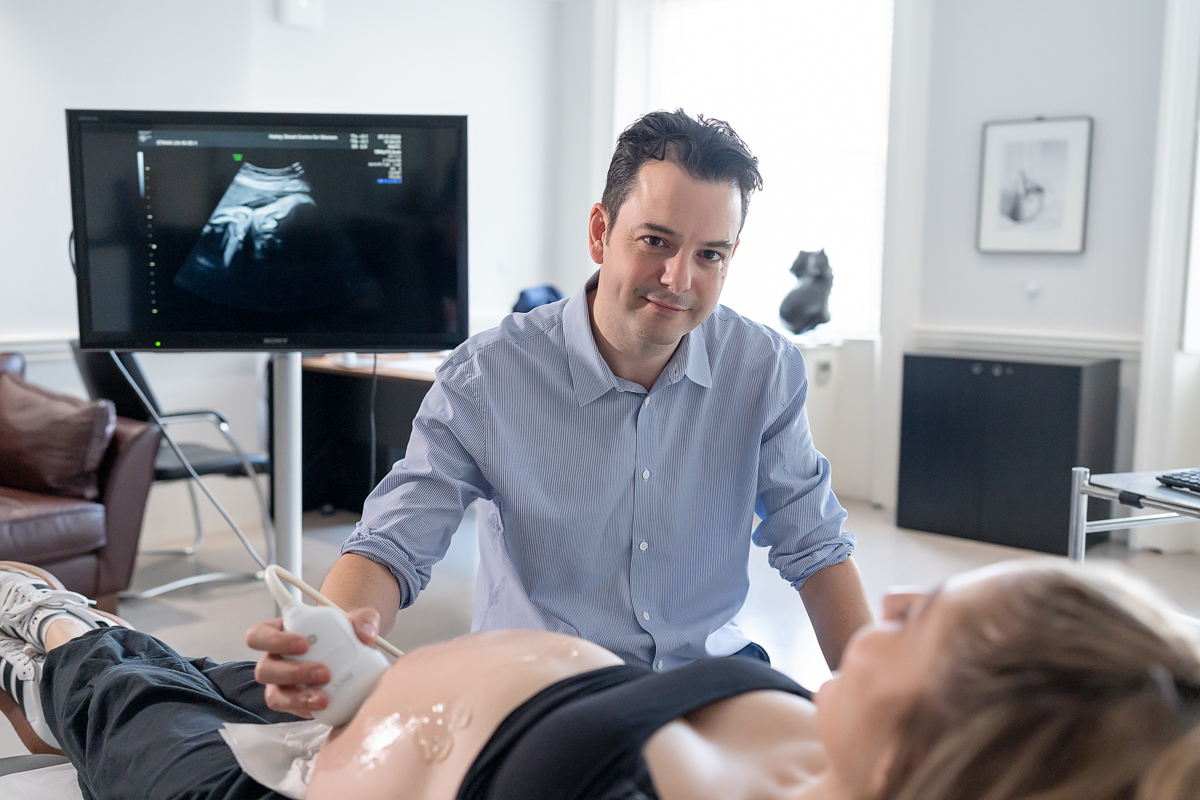
One area where their impact is undeniable is in promoting safe delivery practices. For example, the practitioner in Belladère is likely to encourage women to give birth in a clean environment, use sterile tools, and recognize danger signs such as prolonged labor or excessive bleeding. She may also educate families on the importance of postnatal check-ups, which can prevent complications like postpartum hemorrhage or infection. While these practices are rooted in traditional knowledge, they are increasingly being integrated with evidence-based guidelines through training programs.
Yet, the lack of formal integration into Haiti’s health system poses risks. Without regular supervision or access to continuing education, some sage-femmes may rely on outdated or unsafe practices. There are also concerns about the sustainability of their work, as many operate without salaries or benefits, relying instead on community support or small fees from families they serve. This precarious financial situation can lead to burnout or, in some cases, abandonment of the role altogether.
What Happens Next? Strengthening the System for Haiti’s Mothers
The story of the sage-femme in Belladère is not just a local anecdote but a microcosm of Haiti’s broader maternal health crisis. To improve outcomes, stakeholders—including the Haitian government, international NGOs, and global health organizations—must take coordinated action. Key steps could include:
- Scaling up training programs: Expanding initiatives like the WHO’s Skilled Care Initiative, which provides standardized training for midwives and birth attendants.
- Improving referral networks: Strengthening transportation and communication systems to ensure timely transfers to higher-level care when complications arise.
- Ensuring supply chain reliability: Partnering with organizations like UNICEF to guarantee consistent access to essential medical supplies for sage-femmes and health facilities.
- Formalizing recognition: Developing a national registry for trained sage-femmes to track their work, certify their skills, and integrate them into the formal healthcare system.
The next critical checkpoint for Haiti’s maternal health will be the implementation of a national strategy to reduce maternal mortality, which the Haitian government has pledged to revisit in collaboration with partners like the World Bank and UN agencies. While no specific timeline has been announced, progress will depend on sustained political will, increased funding, and community engagement. For now, the sage-femme in Belladère—and thousands like her—remain the first and often only line of defense for Haiti’s mothers and newborns.
This story underscores the urgent need for global attention to Haiti’s healthcare crisis. If you have insights, experiences, or questions about maternal health in Haiti—or know of similar initiatives in other underserved regions—we invite you to share your thoughts in the comments below. Together, One can amplify the voices of those working tirelessly to save lives, even in the most challenging circumstances.