A diplomatic standoff is intensifying in the Persian Gulf after Kuwaiti authorities detained four Iranian nationals, sparking a sharp exchange of accusations between Kuwait City and Tehran. The incident, which centers on allegations of attempted infiltration, has quickly evolved from a maritime security matter into a broader regional crisis involving Saudi Arabia and the strategic stability of the Gulf waters.
The tension escalated this week when Tehran formally demanded the immediate release of the four men, who were apprehended following the interception of a vessel in the Gulf. While Iran frames the detention as an unjust capture of citizens in maritime waters, Kuwaiti and Saudi officials have characterized the event as a calculated security breach by members of the Islamic Revolutionary Guard Corps (IRGC), the elite wing of Iran’s military.
As an editor who has spent over a decade analyzing the volatile intersections of geopolitics and human rights, I have observed that maritime incidents in the Persian Gulf are rarely just about navigation errors. They are often proxies for larger power struggles. In this instance, the focus on Bubiyan Island—a strategically vital piece of Kuwaiti territory—suggests that What we have is less about four individuals and more about the boundaries of sovereign influence in one of the world’s most critical energy corridors.
The current friction underscores the fragile nature of the diplomatic thaw that has occasionally characterized relations between Iran and the Gulf Cooperation Council (GCC) states. With Tehran asserting its “right to respond,” the situation now rests on whether diplomatic channels can prevail over the instinct for escalation.
The Infiltration Allegations at Bubiyan Island
The core of the dispute lies in the circumstances of the arrests. According to reports from regional security sources, the four Iranian nationals were intercepted while attempting to infiltrate Kuwaiti territory, specifically targeting the area around Bubiyan Island. Bubiyan is the largest island in Kuwait and holds immense strategic importance due to its proximity to Iraq and its role in securing Kuwait’s maritime borders.
The accusation that the detainees are members of the Islamic Revolutionary Guard Corps (IRGC) has transformed the narrative from a simple border crossing violation into a matter of national security. The IRGC is frequently accused by Western and Gulf nations of conducting asymmetric warfare and intelligence operations across the region to extend Iranian influence.
For Kuwait, the integrity of its borders is a paramount concern. The apprehension of suspected foreign operatives on its soil is viewed not as an isolated event, but as a potential probe of Kuwaiti coastal defenses. The precision of the interception suggests a high level of alertness by the Kuwaiti Coast Guard, yet the attempt itself indicates a willingness by external actors to challenge the sovereignty of Kuwait’s maritime boundaries.
Tehran’s Diplomatic Push and the ‘Right to Respond’
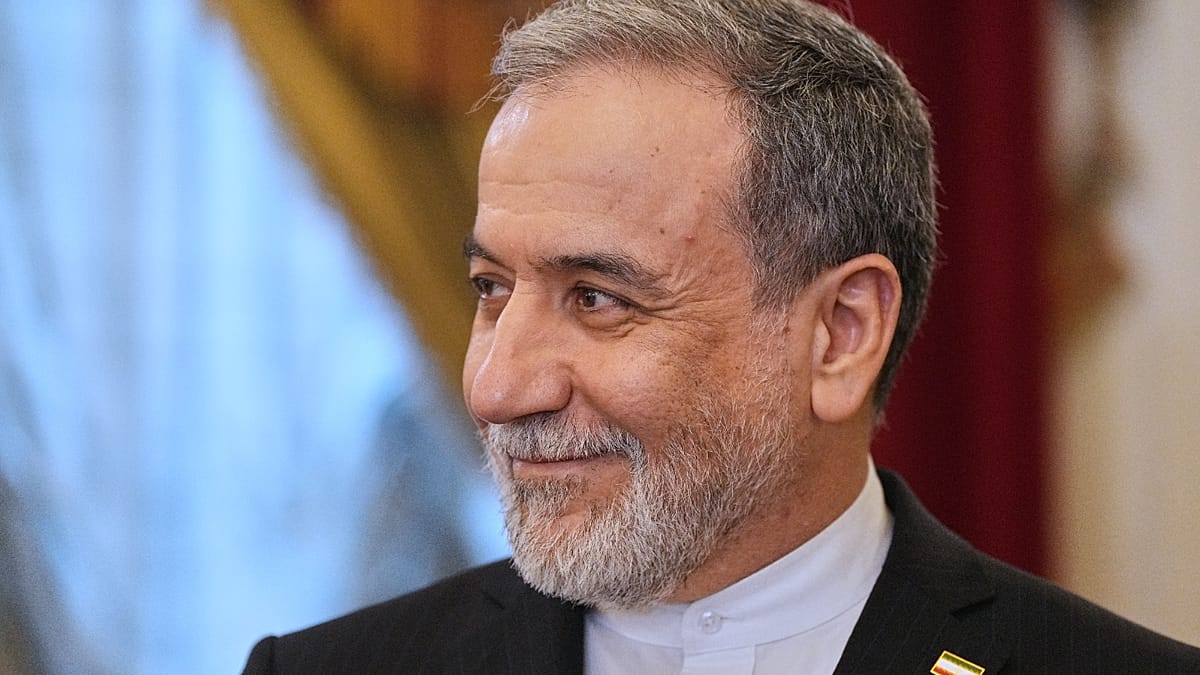
In response to the detentions, Iranian Foreign Minister Abbas Araghchi has taken a hardline stance, demanding the unconditional release of the four citizens. Araghchi has characterized the arrests as an unwarranted action, asserting that the individuals were detained in the waters of the Gulf rather than through any illegal infiltration of land.
Most concerning to regional observers is the language employed by the Iranian Foreign Ministry. By stating that Iran “reserves the right to respond,” Tehran is utilizing a standard but potent diplomatic signal. In the context of the Persian Gulf, “responding” can range from diplomatic sanctions and the recall of ambassadors to more provocative maritime maneuvers or the detention of foreign nationals in Iranian custody—a tactic Tehran has employed in the past during disputes with the United States and the UK.
This rhetoric reflects a broader Iranian strategy of “strategic patience” punctuated by sharp warnings. By framing the detainees as victims of an unjust arrest, Iran seeks to maintain its image as a defender of its citizens while simultaneously signaling to Kuwait and its allies that any perceived aggression will not go unanswered.
Saudi Arabia’s Condemnation and Regional Security
The incident has not remained a bilateral issue between Kuwait and Iran. Saudi Arabia has entered the fray, issuing a strong condemnation of the attempted infiltration. Riyadh has viewed the presence of IRGC elements near Bubiyan Island as a direct threat to the collective security of the Gulf monarchies.
The Saudi reaction is rooted in the “shared destiny” doctrine of the GCC. For Riyadh, any Iranian attempt to destabilize or infiltrate a neighbor is seen as a precursor to broader regional ambitions. The Saudi government’s condemnation serves two purposes: it provides diplomatic cover and solidarity to Kuwait, and it sends a clear message to Tehran that the IRGC’s activities in the Gulf are being closely monitored by a unified front.

The involvement of Saudi Arabia elevates the stakes. When Riyadh aligns its rhetoric with Kuwait City, it signals that the incident is being treated as a breach of regional norms rather than a localized policing matter. This alignment is critical for maintaining a deterrent effect against further maritime incursions.
- The Incident: Kuwait detained four Iranians suspected of being IRGC members attempting to infiltrate Bubiyan Island.
- Iran’s Position: Foreign Minister Abbas Araghchi demands their release, claiming they were detained in the Gulf and asserting a “right to respond.”
- Saudi Reaction: Riyadh has strongly condemned the infiltration, viewing it as a threat to regional stability.
- Strategic Focus: Bubiyan Island’s location makes it a critical flashpoint for maritime security and sovereignty.
- Risk Factor: The use of “right to respond” rhetoric increases the risk of retaliatory detentions or maritime escalation.
Geopolitical Stakes in the Persian Gulf
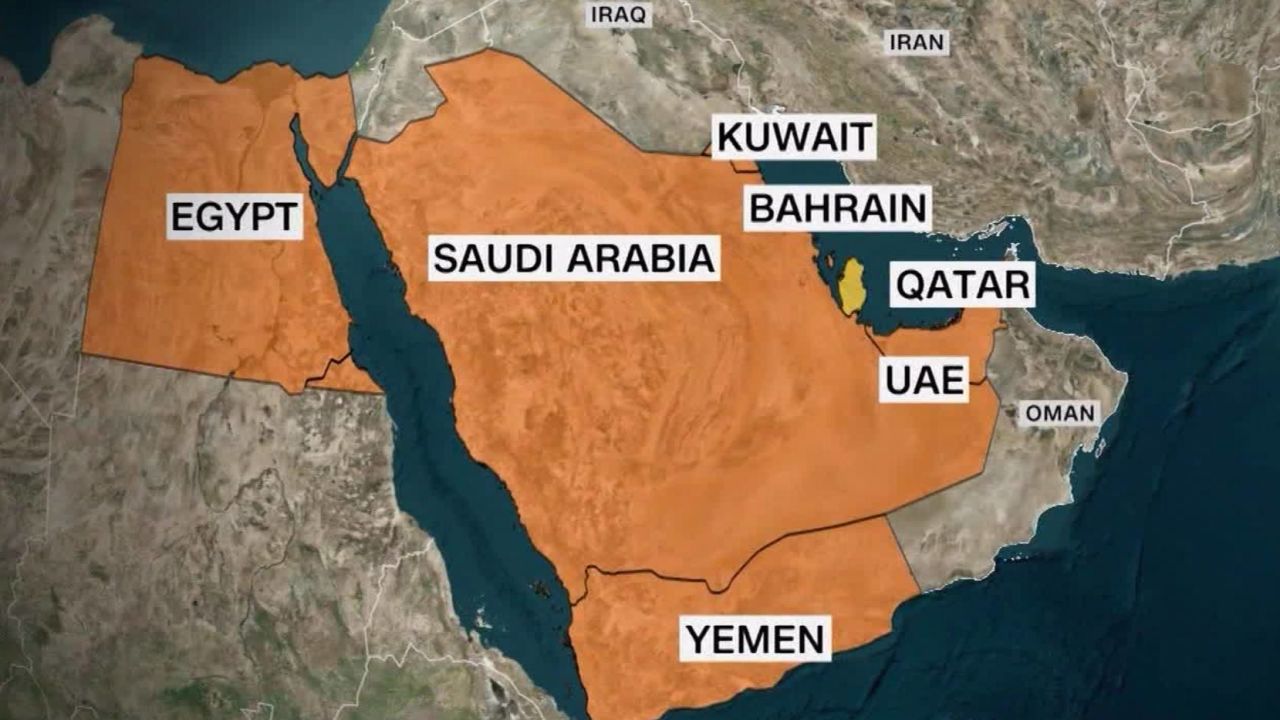
To understand why the arrest of four individuals can trigger a diplomatic crisis, one must look at the geography of the Persian Gulf. The region is the world’s most vital artery for oil and gas exports. Any instability in the waters surrounding Kuwait, Iraq, and Iran can lead to immediate fluctuations in global energy markets.
Bubiyan Island, in particular, is a focal point of strategic tension. Its proximity to the Shatt al-Arab waterway—a historical point of contention between Iraq and Iran—makes it a sensitive zone. For Iran, maintaining a presence or intelligence capability in this area is a way to monitor the movements of its rivals and the United States’ naval assets in the region.
Kuwait has historically attempted to maintain a delicate balance in its foreign policy. Unlike some of its neighbors, Kuwait has often sought to avoid direct confrontation with Iran, preferring a role as a mediator. However, the allegation of an IRGC infiltration forces Kuwait’s hand. To ignore such a breach would be to signal weakness, not only to Tehran but to its own domestic population and its security partners in the West.
What Happens Next: The Path to Resolution
The resolution of this crisis will likely depend on behind-the-scenes diplomatic negotiations. There are three primary scenarios that could unfold:
First, a quiet diplomatic swap or a negotiated release. This is the most common outcome for such incidents, where the detainees are released in exchange for diplomatic concessions or assurances regarding maritime behavior. This allows both sides to save face: Kuwait can claim it has secured its borders, and Iran can claim it has protected its citizens.
Second, a prolonged legal battle in Kuwaiti courts. If Kuwait chooses to formally charge the men with espionage or infiltration, the process will become public and prolonged. This would likely lead to an escalation in rhetoric from Tehran and could result in retaliatory measures against Kuwaiti interests or citizens in Iran.
Third, the incident could serve as a catalyst for a new regional security agreement. If the GCC and Iran can use this friction to establish clearer “rules of the road” for maritime encounters, it could potentially reduce the risk of future accidental or intentional clashes.
For now, the world watches the waters of the Gulf. The “right to respond” is a dangerous phrase in a region where a single miscalculation can lead to a wider conflict. The coming days will reveal whether this is a momentary lapse in security or the beginning of a more aggressive phase of Iranian maritime strategy.
The next critical checkpoint will be the official statement from the Kuwaiti Ministry of Interior regarding the legal status and charges filed against the four detainees, which will determine if this remains a diplomatic dispute or moves into a criminal prosecution.
We want to hear from you. Do you believe these maritime incidents are isolated security breaches or part of a larger strategic shift in the Gulf? Share your thoughts in the comments below and share this analysis with your network.
Worth a look
- Arizona Misses Bases Loaded Chances as Williams Extends Strikeout Streak
- Australia Implements Ministerial Direction 119 to Prioritize Onshore Visas
- Ceuta Humanitarian Crisis as 60,000 Moroccans Cross Into Spanish Enclave (archyworldys.com)
- China Submarine Missile Test Sparks Diplomatic Row Over Pacific Nuclear Zone (time.news)