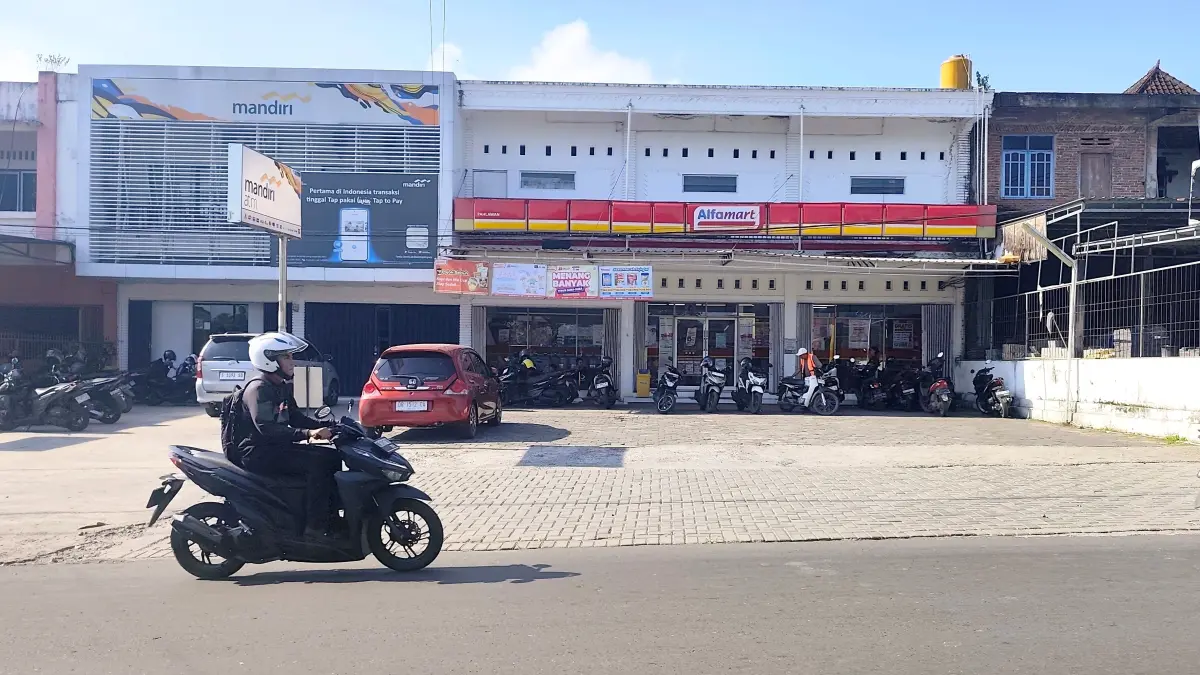
The Central Lombok Regency Government (Pemkab Lombok Tengah) has initiated a sweeping enforcement action against modern retail outlets, ordering 25 stores to cease operations due to violations of local trade regulations. The administration has mandated that these businesses undergo “independent closure,” providing a strict deadline of May 16 for the stores to shut down their operations.
This crackdown targets prominent convenience store chains, including Indomaret and Alfamart, which have allegedly failed to comply with regional zoning laws and licensing requirements. The move is part of a broader effort by the regional government to ensure that modern retail expansion does not undermine the viability of traditional markets and small-scale local enterprises.
The enforcement action follows a period of monitoring and warnings issued to retail operators who were found to be operating in breach of the Peraturan Daerah (Perda), or local regulation, governing trade and business permits in the region. Officials have emphasized that the “cleaning up” process is necessary to restore legal order and protect the local economic ecosystem.
Enforcement of Local Trade Regulations
The mandate for the closure of 25 modern retail outlets is rooted in the government’s commitment to upholding regional laws. According to reports from the state news agency ANTARA, the affected stores were identified as violating specific local ordinances designed to regulate the placement and operation of minimarkets within the regency.

In Indonesia, local governments often utilize Perda to limit the density of modern retail chains in certain areas, preventing them from clustering too closely to traditional “pasar” (markets) or residential zones where they might outcompete small, family-owned “warungs.” The Central Lombok administration has determined that these 25 outlets did not meet the legal criteria for their current locations or lacked the necessary updated permits to continue operating.
The requirement for “independent closure” by May 16 is intended to allow business owners to wind down operations, manage inventory, and handle staff transitions without the need for forced eviction or physical sealing of the premises by the Satpol PP (Regional Police). However, the government has indicated that failure to comply by the deadline will result in more aggressive administrative and physical sanctions.
Protecting Traditional Markets and Small Businesses
The tension between modern retail chains and traditional traders is a recurring theme in Indonesian regional governance. By enforcing these closures, Pemkab Lombok Tengah aims to balance the convenience of modern shopping with the economic survival of traditional vendors.

The proliferation of Indomaret and Alfamart outlets—the two largest convenience store chains in the country—has often led to disputes over zoning. Local regulations typically stipulate a minimum distance between modern retail stores and traditional markets to ensure that the latter remain competitive. When these distance requirements are ignored or permits are bypassed, regional governments intervene to protect the livelihoods of local traders who cannot compete with the supply chains and pricing power of national corporations.
This regulatory “cleaning up” is not merely about paperwork but is viewed as a strategic economic move. By limiting the unchecked growth of modern retail, the administration hopes to encourage a more diverse retail landscape where small and medium enterprises (SMEs) can thrive alongside organized retail.
Impact on Consumers and Operations
The sudden closure of 25 outlets is expected to create temporary gaps in convenience access for residents in the affected sectors of Central Lombok. However, the government maintains that the long-term benefit of a regulated market outweighs the short-term inconvenience. For the retail chains involved, the closures represent a significant operational setback and a reminder of the necessity of strict adherence to regional permits.
The process of independent closure involves several critical steps for the operators:
- Immediate cessation of sales and customer service.
- Settlement of outstanding obligations to local vendors or landlords.
- Coordination with the regional investment and licensing office (DPMPTSP) to determine if relocation is possible under current laws.
If the stores seek to reopen in new locations, they must undergo a rigorous vetting process to ensure that the new sites comply with the current zoning maps and do not infringe upon the protected zones of traditional markets.
Next Steps and Compliance
Following the May 16 deadline, the Central Lombok Regency Government is expected to conduct a comprehensive audit of all remaining modern retail outlets in the region. This suggests that the current crackdown may be the first phase of a wider regulatory sweep to ensure all businesses are operating within the law.

The administration has urged all business owners to proactively review their permits and zoning compliance to avoid similar sanctions. The focus remains on creating a fair competitive environment where modern convenience does not come at the cost of local economic stability.
The next confirmed checkpoint for this enforcement action will be the post-deadline inspection phase, during which the Satpol PP will verify that the 25 identified outlets have indeed ceased operations. Further updates regarding the status of these closures and any potential appeals by the retail chains are expected to be released through official regency channels.
World Today Journal encourages readers to share this story and leave their thoughts in the comments section regarding the balance between modern retail growth and the protection of traditional markets.
Worth a look