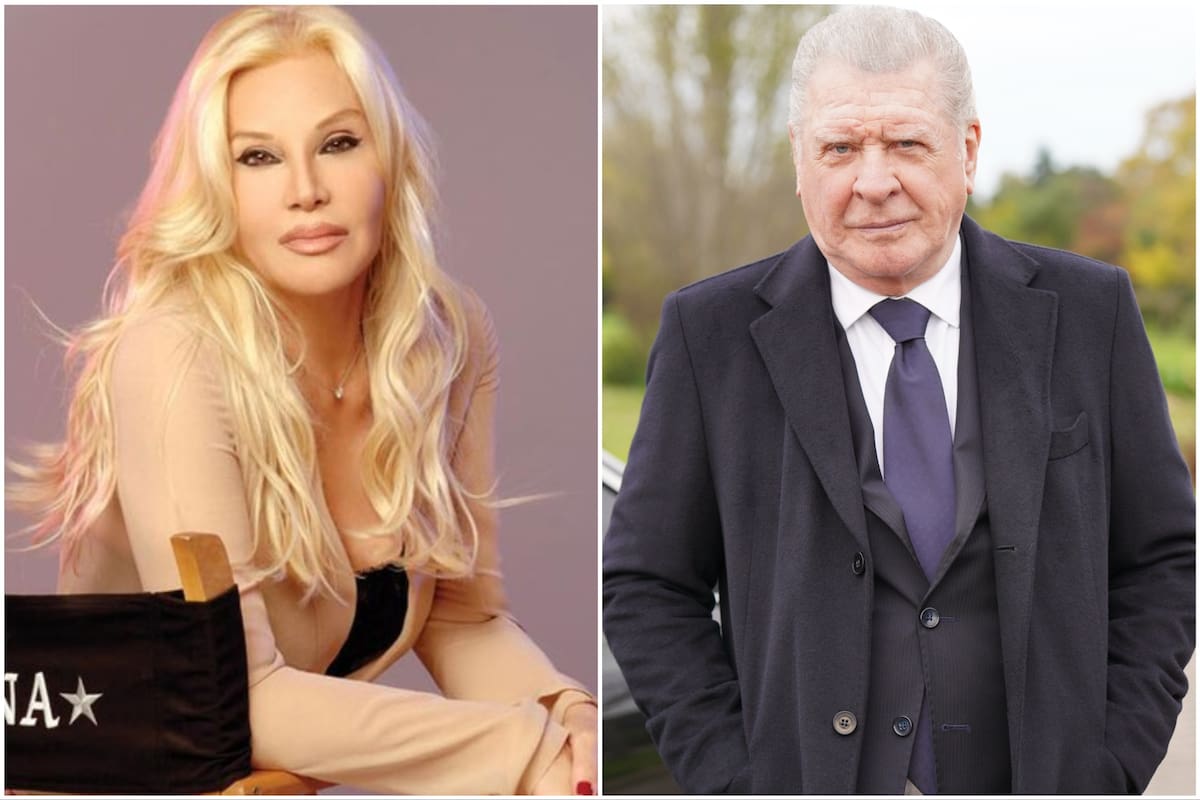
In the high-stakes world of Argentine entertainment, where public images are meticulously curated and lifelong friendships are often the bedrock of social circles, a rare moment of candid vulnerability has emerged. Arturo Puig, one of Argentina’s most respected actors, has recently opened up about a period of emotional distance and “disappointment” regarding his relationship with the iconic television host and diva, Susana Giménez.
The rift, which had remained largely out of the public eye, centered on a profound personal loss for Puig: the passing of his dear friend, Selva Alemán. In a series of recent reflections, Puig revealed that the manner in which the tragedy was handled—or rather, the lack of support he felt during that time—led to a cooling of ties with Giménez, a woman with whom he had shared a long and storied professional and personal history.
For those following the intricacies of the Buenos Aires celebrity circuit, the tension between Puig and Giménez is more than mere gossip; it is a study in the expectations of loyalty and presence during grief. Puig’s admission that he felt “a bit disappointed” provides a window into the fragility of high-profile bonds when they are tested by the raw reality of death and mourning.
This development comes at a time when both figures remain pillars of the Argentine arts scene. While Giménez continues to command the spotlight as a media powerhouse, Puig has maintained a career defined by versatility and critical acclaim. Their distance, though now being addressed, highlights a poignant truth about the “inner circles” of fame: the deeper the friendship, the sharper the sting of perceived absence.
The Catalyst: The Loss of Selva Alemán
To understand the depth of Arturo Puig’s disappointment, one must first understand the significance of Selva Alemán in his life. Alemán was not merely an acquaintance but a cornerstone of Puig’s emotional support system. Her death left a void that Puig describes as deeply painful, creating a period of vulnerability where the actions of close friends were magnified.
In the immediate aftermath of Alemán’s passing, Puig looked to his closest confidants for solace. Among these was Susana Giménez. However, the support he received—or the nature of the interaction—did not meet the expectations he held for a friendship of their magnitude. Puig has since clarified that it was not a single event, but rather an attitude or a perceived lack of empathy that caused him to retreat.
The actor noted that during such moments of profound grief, the “small things” become monumental. A missing call, a misplaced word, or a perceived indifference can transform a lifelong bond into a source of resentment. For Puig, the experience was a catalyst for reflection on who truly stands by an individual when the lights of the stage go down and the silence of loss takes over.
“I Felt a Bit Disappointed”: Analyzing the Rift
The phrase “me sentí un poco decepcionado” (I felt a bit disappointed) may seem understated, but in the context of Puig’s measured and professional public persona, it carries significant weight. Puig is not known for public airing of grievances, which makes his willingness to discuss the distance between him and Giménez all the more revealing.
The disappointment stemmed from a misalignment of emotional needs. While Giménez is known for her exuberant and often whirlwind personality, Puig’s need during his mourning was for a specific type of presence and recognition of his pain. When that did not materialize in the way he envisioned, the resulting “hurt” (dolido) led to a natural, though painful, distancing.
This dynamic is common in relationships between contrasting personalities—the “diva” and the “intellectual actor.” Where one may view a gesture as sufficient, the other may view it as an omission. In this instance, the emotional gap between Giménez’s response and Puig’s expectation created a void that took time to bridge.
The Dynamics of Argentine Celebrity Friendships
The relationship between Arturo Puig and Susana Giménez mirrors a broader pattern within the Argentine entertainment industry, where professional collaborations often evolve into deep, familial bonds. In a city like Buenos Aires, the artistic community is tightly knit, and the social stakes of these friendships are incredibly high.
When icons like Giménez and Puig clash, it often reflects a clash of archetypes. Giménez represents the pinnacle of Argentine glamour and mass-market appeal, while Puig represents the prestige of the theater and the nuanced craft of acting. Their friendship was a bridge between these two worlds. The rift, was not just a personal disagreement but a disruption of a long-standing cultural alliance.
the public’s fascination with this rift underscores the role of “celebrity loyalty” in Latin American culture. There is a strong societal expectation that those who rise together should remain steadfast through the lowest points of their lives. Puig’s admission of disappointment resonates with a wider audience because it touches on the universal experience of feeling let down by someone they trusted during a crisis.
Moving Toward Reconciliation
Despite the pain of the past, the narrative between Puig and Giménez is not one of permanent enmity. In his recent communications, Puig has indicated a path toward healing. The act of speaking about the disappointment is, in itself, a step toward closure. By articulating the reason for the distance, Puig has moved the conflict from the realm of unspoken resentment into the realm of understood grievances.
Reconciliation in the world of high-profile celebrities often requires a delicate balance of apology and forgiveness, usually mediated by mutual friends or the shared desire to preserve a legacy of kindness. Puig’s tone has remained respectful, avoiding vitriol and instead focusing on his own emotional state. This approach leaves the door open for Giménez to offer her perspective or for the two to find a common ground based on their shared history.
The process of moving past such a rift involves acknowledging that two people can experience the same event—in this case, a death—in vastly different ways. While Puig felt a lack of support, Giménez may have believed she was providing support in her own characteristic way. Understanding this divergence in emotional language is key to their potential reunion.
Key Takeaways of the Conflict
- The Trigger: The death of Selva Alemán, a very close friend of Arturo Puig, served as the catalyst for the emotional distance.
- The Core Issue: Puig felt a lack of expected support and empathy from Susana Giménez during his period of mourning.
- The Emotional Impact: Puig described feeling “disappointed” and “hurt,” leading to a voluntary withdrawal from the friendship.
- Current Status: Puig has publicly addressed the rift, signaling a transition from silent resentment to open reflection and potential reconciliation.
As this story unfolds, it serves as a reminder that no amount of fame or professional success immunizes an individual against the complexities of human emotion. The distance between Arturo Puig and Susana Giménez was not caused by a professional rivalry or a public scandal, but by the most human of struggles: the need to feel seen and supported in the wake of loss.
The next confirmed development in this narrative will likely be a direct response from Susana Giménez or a joint appearance, as both figures continue to navigate their respective roles in the Argentine public eye. For now, the focus remains on Puig’s journey toward emotional resolution and the enduring legacy of his friendship with the late Selva Alemán.
We invite our readers to share their thoughts on the complexities of friendship and grief in the comments below. Do you believe public figures should keep their personal rifts private, or does this transparency help humanize them?
Related reading