Transportation Secretary’s Road Trip Sparks Ethical Concerns Amid Rising Gas Prices
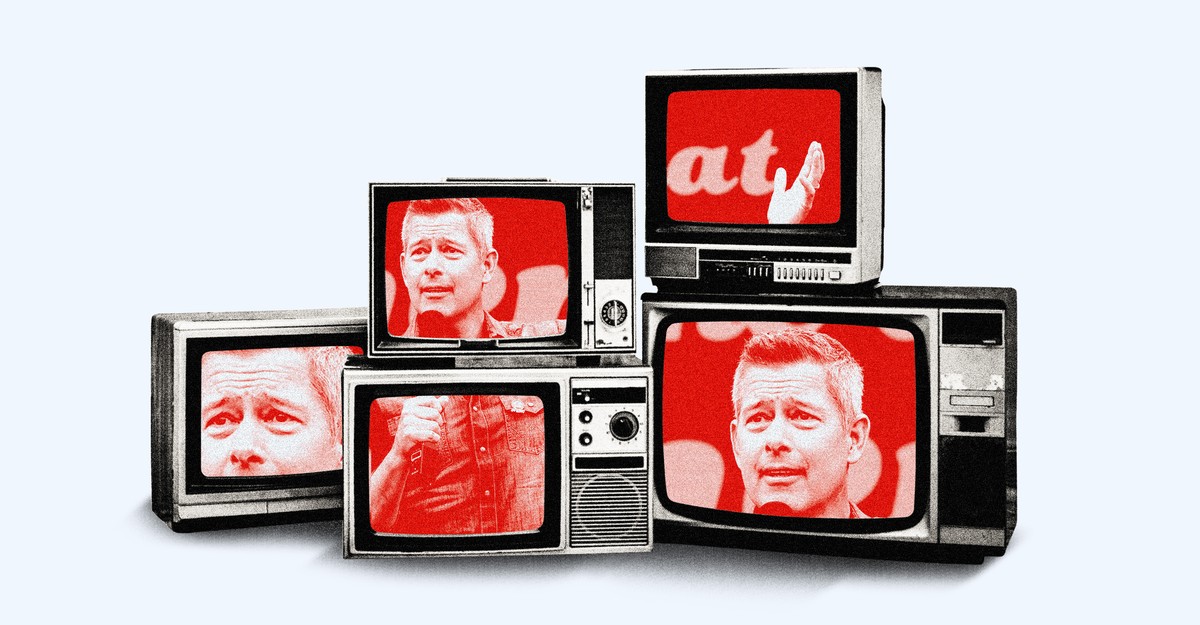
May 14, 2026 — U.S. Transportation Secretary Sean Duffy, whose public profile was shaped by his appearances on the 1990s reality show The Real World, is now promoting a new reality series called The Great American Road Trip. The cross-country journey, produced by the same studio behind his earlier fame, is being positioned as a patriotic celebration of America’s 250th anniversary. However, the project has sparked controversy over its funding, ethical concerns, and timing amid soaring gas prices and economic pressures.
The series, which will premiere ahead of Independence Day, features Duffy and his wife, Fox News host Rachel Campos-Duffy, traveling across the country with their nine children. While the Department of Transportation (DOT) has framed the project as an official celebration of the nation’s bicentennial, critics argue it raises serious questions about conflicts of interest and the blurred line between public service and private promotion.
Most notably, the production was funded not by taxpayer dollars but by The Great American Road Trip Inc., a nonprofit organization created in 2025 by Tori Barnes, a lobbyist with ties to the transportation industry. The nonprofit’s website lists major corporations regulated by the DOT—including Toyota, Shell, and Boeing—as sponsors, with a pitch deck obtained by Politico revealing that donors received significant perks in exchange for contributions. For example, “Platinum” donors contributing $1 million or more were promised VIP invitations to receptions and logo placements in produced video features.
Ethical Questions Over Corporate Funding and Official Duties
Duffy has insisted that no taxpayer money was used for the production, and a DOT spokesperson confirmed that the secretary and his family did not receive salaries during filming. However, the arrangement has drawn scrutiny from watchdog groups, including Citizens for Responsibility and Ethics in Washington (CREW), which has urged the Office of the Inspector General to investigate potential violations of federal gift and travel rules.
Federal ethics guidelines prohibit executive-branch officials from accepting gifts from entities that seek regulatory favors or do business with their agencies. While the DOT has argued that the road trip falls within Duffy’s official duties—citing his visits to air traffic control towers and port infrastructure assessments—the nonprofit funding structure raises concerns about whether the sponsoring companies, not the nonprofit itself, may have benefited indirectly.
A memorandum of agreement between the DOT and the nonprofit, signed in December 2025, states that the donor would not receive “any favorable consideration for future federal assistance.” However, critics note that the agreement does not explicitly address the role of corporate sponsors, leaving open the possibility of indirect influence.
Timing and Public Perception
The road trip’s timing has drawn particular criticism, as Americans face record-high gas prices and economic strain. According to a Gallup poll from early 2026, roughly two-thirds of Americans blame the president for rising fuel costs, which have been exacerbated by geopolitical tensions, including the ongoing conflict in Iran. A rough estimate by Rolling Stone suggests that Duffy’s proposed route could cost approximately $1,300 in gas alone, a figure that would be prohibitive for many families.
Duffy’s public role during the production also coincided with major transportation crises, including staffing shortages and high-profile airplane accidents. The DOT spokesperson acknowledged that filming took place over 24 days from September 2025 to May 2026, including periods during government shutdowns when the secretary was managing critical airport operations.
Broader Concerns About Public-Private Blurring
The controversy surrounding Duffy’s road trip reflects a broader pattern in the current administration, where entertainment and governance increasingly intersect. President Trump, who has repeatedly elevated figures with television backgrounds, has set a precedent for blending public service with media production. For example, Health Secretary Robert F. Kennedy Jr. Has launched a video podcast funded by taxpayers, while the White House’s new ballroom has been partially financed by private corporate donations.
In April 2026, The New York Times reported that Duffy had maintained an “unusual relationship” with representatives of companies regulated by the DOT, though his team denied any wrongdoing. The road trip project has further intensified scrutiny, with CREW’s president, Donald Sherman, questioning why the DOT did not simply fund the project using taxpayer money if it was truly in the public interest.
What Happens Next?
As of May 14, 2026, the Office of the Inspector General has not yet announced whether it will launch an investigation into the funding and ethical concerns surrounding The Great American Road Trip. The series is scheduled to premiere on YouTube ahead of July 4, but its reception may hinge on whether regulators and ethics watchdogs take further action.

For readers seeking official updates, the DOT’s press office can be reached at [email protected], while CREW’s investigation status can be monitored on their website. The nonprofit The Great American Road Trip Inc. has not yet responded to requests for comment.
What do you think? Should government officials be allowed to participate in privately funded media projects? Share your thoughts in the comments below or on social media using #RoadTripEthics.