
For decades, the Lombardy region has served as the industrial heartbeat of Italy, acting as a magnet for capital and a center for manufacturing excellence. However, the region is now orchestrating a fundamental shift in its economic playbook. Rather than simply maintaining its status as Italy’s primary destination for foreign capital, Lombardy is aggressively repositioning itself as a premier Lombardy investment hub for the entire European continent.
This transition marks a departure from a traditionally reactive approach—where the region responded to incoming inquiries—to a proactive industrial policy. The goal is no longer just to increase the volume of Foreign Direct Investment (FDI) but to curate the quality of that investment. By targeting projects that drive technological innovation, strengthen local supply chains, and create high-skilled employment, regional authorities aim to insulate the local economy from global volatility while accelerating the transition toward a high-tech future.
The strategy, recently presented to the international press in Rome, outlines a sophisticated operational system. This framework integrates regional governance with the chamber of commerce and leverages the “Invest in Lombardy” agency to streamline the entry of foreign firms. By aligning territorial ecosystems—combining academic research, public infrastructure, and private enterprise—Lombardy is attempting to create a “plug-and-play” environment for global corporations looking to establish a European foothold.
From Reactive Growth to Proactive Industrial Policy
The core of Lombardy’s new economic direction is the shift toward a “proactive industrial policy.” In the past, the region’s growth was often organic, driven by its existing reputation and the sheer scale of its markets. The new mandate, however, focuses on strategic attraction. This means identifying specific sectors—such as biotechnology, advanced robotics, and green energy—and actively recruiting global leaders in those fields to integrate into the regional fabric.
This shift is critical because the global landscape for investment has become increasingly competitive and unstable. While many European regions have seen a decline in FDI due to geopolitical tensions and energy costs, Lombardy has managed to buck the trend. Between 2021 and 2025, the region captured a significant share of all foreign investment projects entering Italy, maintaining growth even as global investment trends dipped. According to data from the Official Portal of the Lombardy Region, this resilience is attributed to the region’s diversified economic base and its role as a gateway to the broader European Single Market.
By focusing on “quality over quantity,” the regional government seeks to avoid the pitfalls of speculative investment. The new strategy prioritizes “anchoring” investments—large-scale projects that not only bring capital but also transfer knowledge and technology to local small and medium-sized enterprises (SMEs), which form the backbone of the Italian economy.
The Economic Engine: GDP and Export Dominance
To understand why Lombardy is positioned to become a European hub, one must look at its current economic weight. The region is the wealthiest in Italy and one of the most productive in the European Union. Lombardy consistently contributes more than 20% of Italy’s total Gross Domestic Product (GDP), making it an economic entity that would rank among the top economies in Europe if it were a sovereign state. Detailed economic indicators provided by Istat (the Italian National Institute of Statistics) confirm that the region’s GDP per capita remains significantly higher than the national average.
Beyond GDP, Lombardy’s export capacity is a primary driver of its attractiveness. The region accounts for more than a quarter of Italy’s total exports, spanning high-end fashion, automotive components, pharmaceutical products, and precision machinery. This export-led growth creates a powerful network effect: foreign companies are drawn to Lombardy not only for the local market but for the existing infrastructure that allows them to distribute goods efficiently across the Alps and into Central and Northern Europe.
The presence of Milan, a global capital for finance and fashion, further enhances this ecosystem. The city’s metropolitan area is the largest in Italy and serves as the operational headquarters for numerous multinational corporations. This concentration of corporate decision-makers, combined with a world-class banking sector, provides the necessary financial liquidity and professional services to support large-scale foreign ventures.
Strengthening the “Invest in Lombardy” Framework
The primary vehicle for this strategic pivot is the “Invest in Lombardy” agency. This organization acts as the single point of entry for foreign investors, reducing the bureaucratic friction that has historically hindered investment in Italy. The agency’s role has evolved from a simple information provider to a strategic consultant that helps foreign firms navigate the complexities of local regulations, find suitable real estate, and connect with local partners.
The new operational plan for 2026 focuses on three key pillars:
- Integrated Governance: Creating a seamless link between regional government offices and the local chamber of commerce to speed up permitting and licensing.
- Territorial Ecosystems: Mapping the region’s specialized “clusters”—such as the aerospace hub in Varese or the biomedical center in Milan—to match investors with the most compatible local supply chains.
- Measurable KPIs: Implementing a data-driven approach to track the actual impact of investments on employment and innovation, rather than just tracking the initial capital inflow.
This systemic approach is designed to transform the region from a collection of successful cities into a unified industrial platform. By simplifying the “customer journey” for a foreign CEO, Lombardy aims to compete directly with other European hubs like the Randstad in the Netherlands or the Rhine-Ruhr area in Germany.
Global Trends and the Competitive Edge
The timing of this strategy is deliberate. The global economy is currently witnessing a trend known as “friend-shoring” or “near-shoring,” where companies move their production closer to home to avoid supply chain disruptions. For North American and Asian firms, Lombardy offers a stable, high-tech entry point into the European Union. The region’s ability to maintain growth in foreign investment while the broader European trend showed a decline highlights a unique competitive advantage.
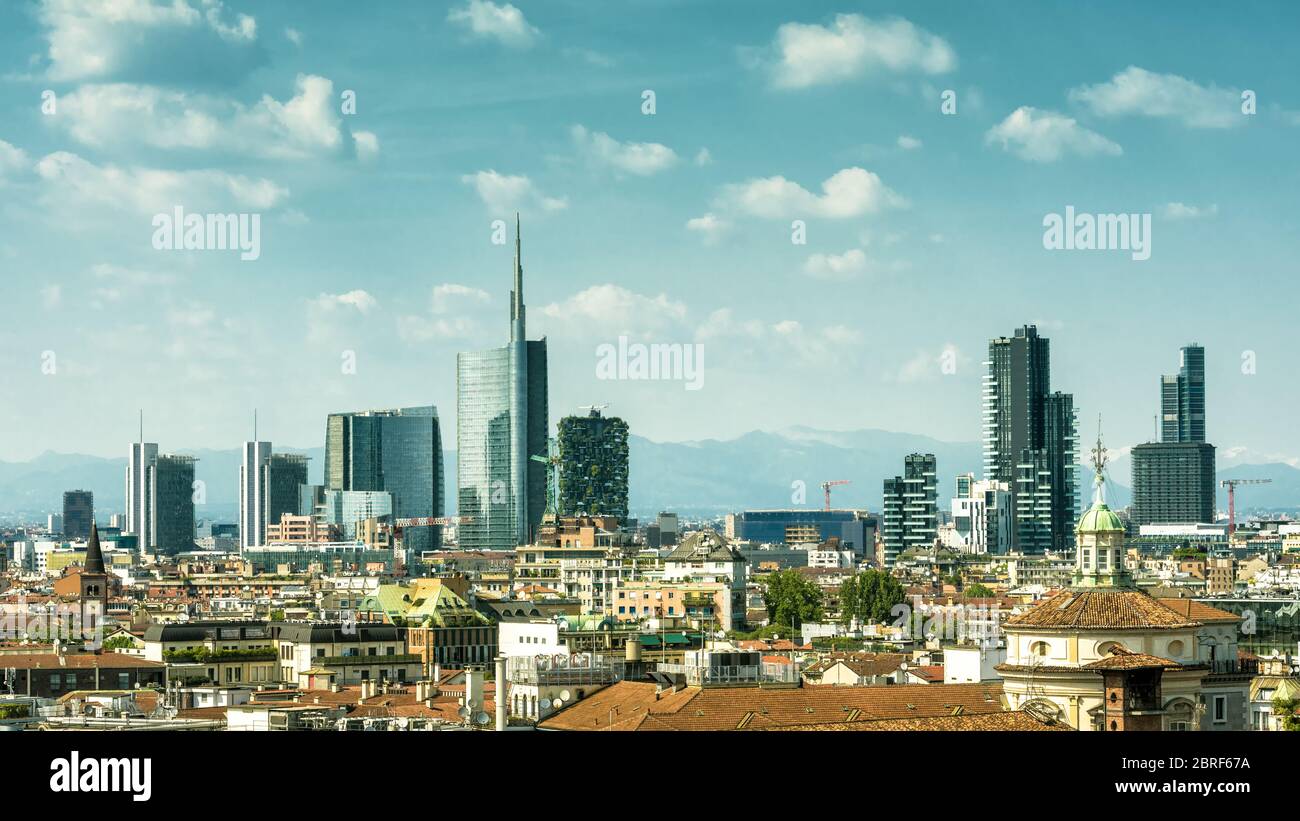
the region is leveraging its infrastructure. From the expansion of the Malpensa airport to the modernization of rail links, the physical connectivity of Lombardy is being upgraded to handle the increased flow of goods and people. This physical infrastructure is being complemented by a “digital infrastructure” push, focusing on 5G integration and AI-driven logistics to support the next generation of industrial investment.
For the global investor, the value proposition is clear: Lombardy provides a combination of high-level human capital, a massive export network, and a government that is now actively partnering with business to ensure a smooth landing. The shift to a proactive policy signals that the region is no longer content to be a passive recipient of wealth but is instead designing its own economic future.
As the region moves toward its 2026 operational targets, the focus will remain on attracting “green” and “digital” investments. The transition to a circular economy is not just an environmental goal but a business imperative, as the EU’s strict sustainability mandates make Lombardy’s focus on green industrialization a critical asset for any foreign company seeking to comply with European law.
The next major milestone for this strategy will be the release of the 2026 operational progress report, which will detail the specific number of high-quality projects secured and their impact on regional employment. This data will serve as the ultimate litmus test for whether Lombardy can successfully transition from a national leader to a truly European investment hub.
Do you think Northern Italy can outcompete other European hubs for high-tech investment? Share your thoughts in the comments below or share this analysis with your professional network.
Worth a look