Akkermansia muciniphila MucT: How Pasteurized Gut Bacteria Could Revolutionize Weight Loss Maintenance
For years, scientists have studied the intricate relationship between gut bacteria and human health, particularly how specific microbial populations influence metabolism, immunity, and weight regulation. Now, a groundbreaking randomized controlled trial published in a leading medical journal reveals that pasteurized Akkermansia muciniphila—a specific strain called MucT—may offer a novel approach to maintaining weight loss and improving metabolic health after dieting.
The study, which involved adults with overweight or obesity, found that participants who consumed pasteurized A. Muciniphila MucT experienced significantly better weight maintenance and metabolic improvements compared to those who did not. The effects were particularly pronounced in individuals with initially lower levels of this beneficial gut bacterium. This breakthrough suggests that targeting Akkermansia muciniphila could be a promising strategy for weight management and metabolic health—potentially offering a microbial-based solution to one of the most challenging aspects of dieting: keeping the weight off long-term.
But what exactly is Akkermansia muciniphila? Why does pasteurization matter in this context? And could this discovery soon translate into practical applications for the general public? Let’s break down the science, the implications, and what this means for the future of weight loss and metabolic health.
What the Study Found: Weight Maintenance and Metabolic Benefits
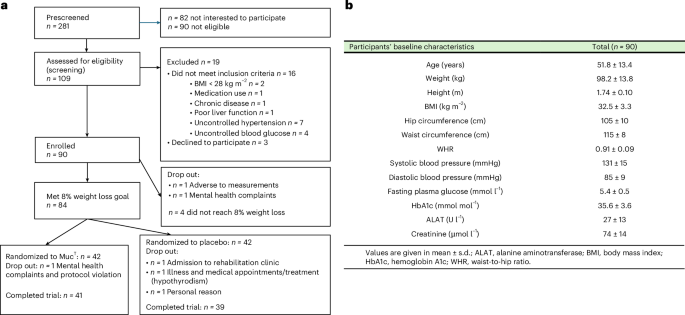
The randomized controlled trial—conducted by an international team of researchers—enrolled adults with overweight or obesity who had recently completed an 8-week low-energy diet. Participants were then randomly assigned to receive either pasteurized Akkermansia muciniphila MucT or a placebo for an additional 12 weeks.
Key findings included:
- Improved weight maintenance: Participants consuming the pasteurized bacteria showed a notable reduction in weight regain compared to the placebo group, particularly among those with initially lower baseline levels of A. Muciniphila.
- Enhanced metabolic health: Measures such as insulin sensitivity, blood sugar control, and markers of inflammation improved more significantly in the treatment group.
- Gut microbiome shifts: The pasteurized bacteria appeared to modulate the gut microbiome in ways that supported metabolic health, though the exact mechanisms require further study.
These results build on previous research suggesting that Akkermansia muciniphila plays a key role in maintaining gut barrier integrity, reducing inflammation, and improving glucose metabolism. Pasteurization—using mild heat to deactivate pathogens while preserving beneficial properties—was critical in this study to ensure safety while retaining the bacterium’s metabolic benefits.
Why Akkermansia muciniphila Matters
Akkermansia muciniphila is a naturally occurring gut bacterium that thrives in the mucus layer of the intestinal lining. Research over the past decade has linked higher levels of this bacterium to:
- Better glucose metabolism and reduced insulin resistance
- Lower body weight and reduced risk of obesity-related complications
- Improved gut barrier function and reduced inflammation
However, levels of A. Muciniphila tend to decrease with obesity, poor diet, and aging. The pasteurized MucT strain used in this study was specifically engineered to enhance these beneficial effects while ensuring safety for human consumption. The trial’s success suggests that supplementing with pasteurized A. Muciniphila could help “rebalance” the gut microbiome in individuals where natural levels are low.
Pasteurization: Preserving Benefits While Ensuring Safety
Pasteurization is a well-established food preservation technique that uses controlled heat to eliminate harmful pathogens without significantly altering the nutritional or functional properties of the product. In the case of Akkermansia muciniphila, pasteurization serves two critical purposes:
- Pathogen removal: Ensures the bacteria are free from harmful contaminants that could pose risks to human health.
- Stability and shelf life: Extends the product’s usability, making it practical for commercial development.
Unlike raw bacterial supplements, pasteurized A. Muciniphila MucT can be safely consumed in capsule or powder form, similar to probiotics. This approach aligns with the growing trend of “postbiotics”—non-viable microbial products that confer health benefits—offering a middle ground between live probiotics and traditional supplements.
Key Takeaways: What This Means for Weight Loss and Metabolic Health
- Targeted microbial intervention: The study suggests that pasteurized A. Muciniphila MucT could be particularly effective for individuals with lower baseline levels of this bacterium, offering a personalized approach to weight management.
- Diet synergy: The benefits were observed in participants who had already completed a low-energy diet, indicating that microbial supplementation may enhance the long-term success of dietary interventions.
- Metabolic health beyond weight: Improvements in insulin sensitivity and inflammation markers highlight the broader potential of this approach for metabolic syndrome and related conditions.
- Safety profile: Pasteurization ensures the product is safe for consumption, addressing concerns about live bacterial supplements.
- Future directions: Larger trials and long-term studies are needed to confirm these findings and explore potential applications in clinical settings.
Who Could Benefit Most?
The study’s results are particularly encouraging for several groups:
1. Individuals Struggling with Weight Regain
One of the biggest challenges in weight management is maintaining weight loss long-term. Many people who lose weight through dieting eventually regain it, often with additional pounds. The pasteurized A. Muciniphila MucT intervention showed promise in reducing this weight regain, particularly in those with lower initial levels of the bacterium.
2. People with Metabolic Syndrome or Prediabetes
Metabolic syndrome—a cluster of conditions including high blood pressure, high blood sugar, excess body fat around the waist, and abnormal cholesterol levels—is closely linked to gut microbiome imbalances. The study’s findings on improved insulin sensitivity and reduced inflammation suggest that pasteurized A. Muciniphila could be beneficial for individuals at risk of or already diagnosed with metabolic syndrome or prediabetes.
3. Older Adults with Declining Gut Health
As people age, the diversity and abundance of beneficial gut bacteria often decline, contributing to metabolic decline and increased risk of obesity-related diseases. Supplementing with pasteurized A. Muciniphila could help counteract these age-related changes, supporting long-term health and weight management.
4. Those with Low Baseline Akkermansia Levels
The study highlighted that individuals with initially lower levels of A. Muciniphila experienced the most significant benefits from the intervention. This suggests that personalized microbiome testing could help identify who might benefit most from this approach.
What Happens Next? The Path to Practical Applications
While the results are promising, several questions remain before pasteurized Akkermansia muciniphila MucT becomes a mainstream weight loss or metabolic health tool:
1. Regulatory Approval and Safety
Before any product can be marketed, it must undergo rigorous safety and efficacy testing by regulatory bodies such as the U.S. Food and Drug Administration (FDA) or the European Medicines Agency (EMA). The pasteurization process used in the study would need to be validated for consistency and safety across large-scale production.
2. Large-Scale Clinical Trials
Additional studies with larger participant groups and longer follow-up periods are needed to confirm the findings and explore potential side effects or long-term benefits. Researchers are also investigating whether combining A. Muciniphila with other beneficial bacteria or dietary interventions could enhance its effects.
3. Commercial Development
If the results hold up in further trials, companies may develop pasteurized A. Muciniphila MucT as a dietary supplement, probiotic, or even a prescription intervention for metabolic health. This could open new avenues in the growing microbiome-based health product market, which already includes probiotics, prebiotics, and synbiotics.
4. Personalized Microbiome Testing
The study’s findings suggest that microbiome profiling could help tailor interventions to individual needs. Companies offering gut microbiome testing (such as Viome or Thryve) may incorporate Akkermansia muciniphila levels into their assessments, recommending supplementation for those with deficiencies.
Practical Considerations: Could This Be for You?
While the science is exciting, it’s important to approach this research with a balanced perspective. Here’s what to consider if you’re curious about exploring microbial-based weight management:
1. Don’t Expect a Magic Pill
The study’s benefits were observed in conjunction with a low-energy diet, not as a standalone solution. Like any weight management strategy, sustainable results require a combination of diet, exercise, and lifestyle changes.
2. Wait for Further Evidence
While the trial is promising, more research is needed to confirm these findings and determine the optimal dosage, duration, and safety profile. Avoid unproven supplements claiming similar benefits without scientific backing.

3. Consult a Healthcare Provider
If you have metabolic conditions, obesity, or are considering microbiome-based interventions, consult your doctor or a registered dietitian. They can help you navigate the evolving landscape of gut health and weight management.
4. Explore Dietary Approaches That Support Akkermansia
Even without supplements, certain diets can promote the growth of Akkermansia muciniphila. Foods rich in:
- Prebiotic fibers (e.g., resistant starch, inulin, oligofructose)
- Polyphenols (e.g., berries, dark chocolate, green tea)
- Omega-3 fatty acids (e.g., fatty fish, flaxseeds)
have been shown to increase levels of this beneficial bacterium. Incorporating these into your diet may offer similar metabolic benefits.
What’s Next in Gut Microbiome Research?
The field of microbiome-based health interventions is rapidly evolving. Researchers are exploring:
- Combinations of beneficial bacteria for synergistic effects
- Fecal microbiota transplants (FMT) for metabolic disorders
- Personalized microbiome therapies tailored to individual health profiles
Stay tuned for updates as this research progresses. In the meantime, the conversation around gut health and weight management is more relevant than ever.
Have you tried microbiome-based supplements or probiotics? Share your experiences in the comments below, or join the discussion on our forum.