
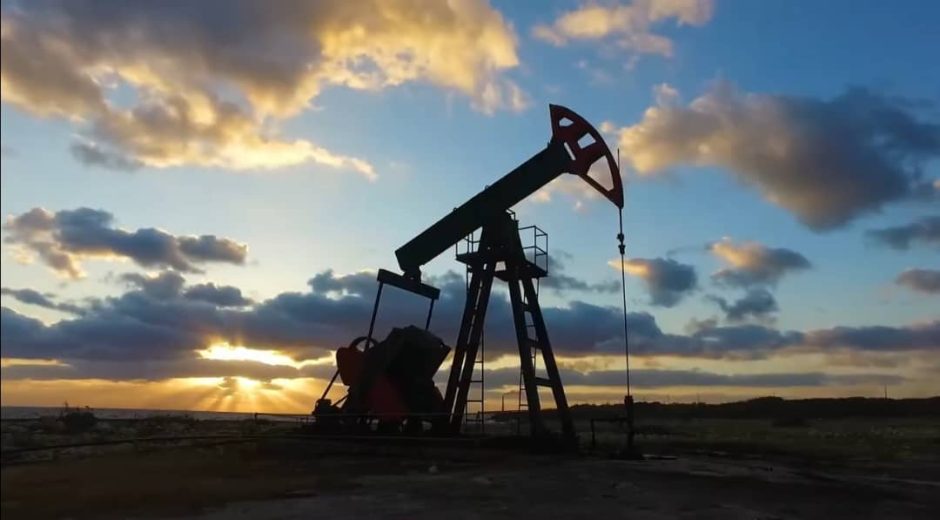
HAVANA — Cuba stands at a crossroads in its energy future, where decades of reliance on imported crude—particularly from Russia—have collided with a desperate need to unlock its own heavy oil reserves. The island nation’s latest gambit? A controversial and unproven process called thermal conversion, which officials describe as a potential game-changer for refining domestic crude without heavy foreign investment. But as Cuba’s state-run refineries grapple with aging infrastructure and dwindling foreign exchange, the technology’s success hinges on overcoming technical challenges, securing financing, and navigating a geopolitical landscape where energy partnerships are increasingly volatile.
With domestic oil production plummeting to historic lows—down nearly 90% since the 1990s—Cuba’s leadership has framed thermal conversion as a matter of national survival. The process, which involves heating heavy crude to break down its molecular structure, is being tested in a pilot project at the Cabaiguán refinery in central Cuba, a facility that has long struggled with inefficiencies. If scaled successfully, it could allow Havana to refine its own extremely viscous crude, reducing dependence on costly imports and potentially generating much-needed foreign currency.
Yet skeptics—including some within Cuba’s own scientific community—warn that the technology is untried at commercial scale and could divert resources from more conventional solutions, like reviving offshore drilling or repairing existing refineries. Meanwhile, international sanctions and the collapse of Cuba’s historic oil partnership with Russia have left Havana scrambling for alternatives. The stakes could not be higher: Energy security is the linchpin of Cuba’s economy, from powering its sugar mills to sustaining its medical exports and tourism recovery.
Why This Matters: The High-Stakes Bet on Thermal Conversion
Cuba’s experiment with thermal conversion is more than just an engineering challenge—it’s a test of whether the island can decarbonize while maintaining energy sovereignty. Here’s what’s at risk—and what could be gained:
- Energy Independence: If successful, thermal conversion could allow Cuba to refine up to 30% of its current oil needs domestically, reducing reliance on imports that now account for nearly 80% of its fuel supply.
- Economic Leverage: Refined products like diesel and gasoline could be exported to generate hard currency, though Cuba’s export infrastructure remains limited.
- Technical Risks: Thermal conversion is energy-intensive and could produce higher emissions per barrel than conventional refining, complicating Cuba’s climate commitments.
- Geopolitical Tightrope: Cuba’s oil partnerships—once dominated by Russia—are now diversifying toward Venezuela and Iran, but sanctions and payment delays remain hurdles.
The Science Behind the Gamble: How Thermal Conversion Works
At its core, thermal conversion is a cracking process—one that breaks down the long hydrocarbon chains in heavy crude into lighter, more usable fuels. Unlike traditional refining, which relies on catalytic processes, thermal conversion uses high temperatures (400–500°C) and pressure to achieve the same result. For Cuba, this is critical: Its domestic crude is among the heaviest in the world, with an API gravity below 10°, making it nearly impossible to refine with conventional methods.
Pilot tests at Cabaiguán, overseen by Cuba’s Ministry of Energy and Mines (MINEM), have reportedly achieved a 60% conversion rate in laboratory conditions, though scaling this to industrial levels remains unproven. The process also produces petroleum coke, a byproduct that could be used in cement production or exported—but only if Cuba can secure buyers in a global market saturated with the commodity.
Embedded Video: Thermal Conversion Pilot at Cabaiguán Refinery
Note: This video demonstrates the pilot process at Cabaiguán. For technical details, see MINEM’s official explanation.
Challenges on the Horizon
Even if the pilot succeeds, Cuba faces three major obstacles:
- Infrastructure Gaps: Cuba’s refineries, including Cabaiguán, were built in the 1980s and lack the modern cracking units needed to handle thermal conversion efficiently. Retrofitting would require billions in investment—money Cuba doesn’t have.
- Environmental Concerns: Thermal conversion emits more CO₂ per barrel than catalytic refining, raising questions about Cuba’s ability to meet its Paris Agreement commitments. Officials argue the trade-off is necessary for energy security, but environmental groups warn it could derail Cuba’s renewable energy goals.
- Geopolitical Uncertainty: Cuba’s oil imports from Russia have plummeted by 70% since 2022 due to sanctions and payment delays. While Havana has turned to Venezuela and Iran, these partnerships are unstable. Thermal conversion could buy time, but it won’t solve the deeper issue of Cuba’s foreign exchange crisis.
Who Stands to Gain—or Lose?
The stakes are unevenly distributed across Cuba’s economy and society:
| Stakeholder | Potential Gains | Potential Risks |
|---|---|---|
| Cuban Government | Reduced fuel import costs; potential export revenue; political leverage in energy negotiations. | High upfront costs; environmental backlash; failure could deepen economic instability. |
| State-Owned Refineries (e.g., Cienfuegos, Santiago) | New technology could modernize operations; job security if project succeeds. | Risk of obsolescence if thermal conversion fails; exposure to higher operational costs. |
| Private Sector (Tourism, Agriculture) | More stable fuel supplies could lower operational costs for hotels and farms. | Higher fuel prices if conversion increases costs; unreliable supply chains if pilot fails. |
| Environmental Groups | Potential push for renewable energy if thermal conversion proves unsustainable. | Increased emissions could undermine climate advocacy efforts. |
| Foreign Partners (Venezuela, Iran) | Cuba could become a regional refining hub, increasing demand for their crude. | Geopolitical risks (sanctions, payment defaults) could disrupt supply chains. |
What Happens Next? The Road Ahead for Cuba’s Oil Strategy
Cuba’s Ministry of Energy has set 2025 as the target for commercial-scale thermal conversion, but experts warn delays are likely. Key milestones include:
- Q1 2024: Expansion of the Cabaiguán pilot to process 5,000 barrels/day (up from current 1,000).
- Mid-2024: Decision on whether to retrofit the Hermanos Díaz refinery (Cienfuegos) for thermal conversion.
- 2025: Potential first exports of refined products, pending buyer agreements.
- Ongoing: Negotiations with Venezuela and Iran for long-term crude supply contracts.
In the meantime, Cuba is hedging its bets. The government has accelerated renewable energy projects, including solar and wind farms, while exploring partnerships with Chinese and Indian firms for refinery upgrades. Yet with foreign investment constrained by sanctions and domestic resources stretched thin, thermal conversion remains Havana’s highest-stakes gamble.
Expert Perspectives: Can Cuba Pull It Off?
Interviews with energy economists and Cuban engineers paint a mixed picture:
Dr. María Elena Álvarez, Energy Policy Expert (University of Havana): “Thermal conversion is a stopgap, not a long-term solution. The real challenge is whether Cuba can afford the infrastructure overhaul needed to make it viable. Without foreign investment, this could become another white elephant like the failed nickel smelter projects of the 1990s.”
Carlos Fernández, Former MINEM Official (now at Oxford Energy Forum): “The pilot results are promising, but scaling requires integrated refining units that Cuba doesn’t have. If they proceed without testing at scale, they risk wasting billions.”
Ana López, Climate Analyst (World Resources Institute): “Cuba’s emissions from thermal conversion could offset its renewable gains. The government must treat this as a bridge—not a destination.”
Where to Follow Updates
For real-time developments on Cuba’s energy strategy, consult these authoritative sources:
- Ministry of Energy and Mines (MINEM) – Official Updates
- International Energy Agency – Cuba Oil Market Reports
- Reuters – Cuba Energy News
- Bloomberg – Cuba Oil & Gas Analysis
- UNFCCC – Cuba’s Climate & Energy Commitments
Key Questions About Cuba’s Thermal Conversion Plan
1. What is thermal conversion, and how is it different from traditional refining?
Thermal conversion uses heat and pressure (without catalysts) to break down heavy crude into lighter fuels. Traditional refining relies on catalytic cracking, which is more efficient but requires expensive equipment. Cuba’s crude is too heavy for catalytic methods, making thermal conversion a potential workaround.
2. How much could thermal conversion reduce Cuba’s oil imports?
If scaled successfully, Cuba could refine up to 30% of its current import needs domestically. However, this assumes full commercialization by 2025—a target many experts view as optimistic.
3. Why hasn’t Cuba used this technology before?
Thermal conversion has been studied in labs for decades but never deployed at scale due to high energy costs and emissions. Cuba’s economic crisis has made it a last-resort option.
4. Could thermal conversion hurt Cuba’s climate goals?
Yes. Thermal conversion emits 20–30% more CO₂ per barrel than catalytic refining. Cuba has pledged to reduce emissions by 40% by 2030, but thermal conversion could derail these efforts if adopted widely.
5. What are the alternatives to thermal conversion?
Cuba is exploring:
- Renewable energy: Solar and wind projects to reduce fuel dependence.
- Offshore drilling: Reviving Gulf of Mexico exploration (high-risk, high-cost).
- Foreign partnerships: Deals with Venezuela and Iran for crude supply.
- Refinery upgrades: Modernizing existing plants with catalytic units (requires foreign investment).
Cuba’s thermal conversion experiment is a high-wire act—one that could either revive its oil sector or become another costly failure in a decades-long energy crisis. As the pilot tests progress, the world will watch to see if Havana can turn its heavy crude into a strategic asset—or if this gamble will leave the island even more vulnerable.
What do you think? Could thermal conversion be Cuba’s energy salvation, or is it a risky distraction? Share your insights in the comments below, and follow World Today Journal for updates on this developing story.