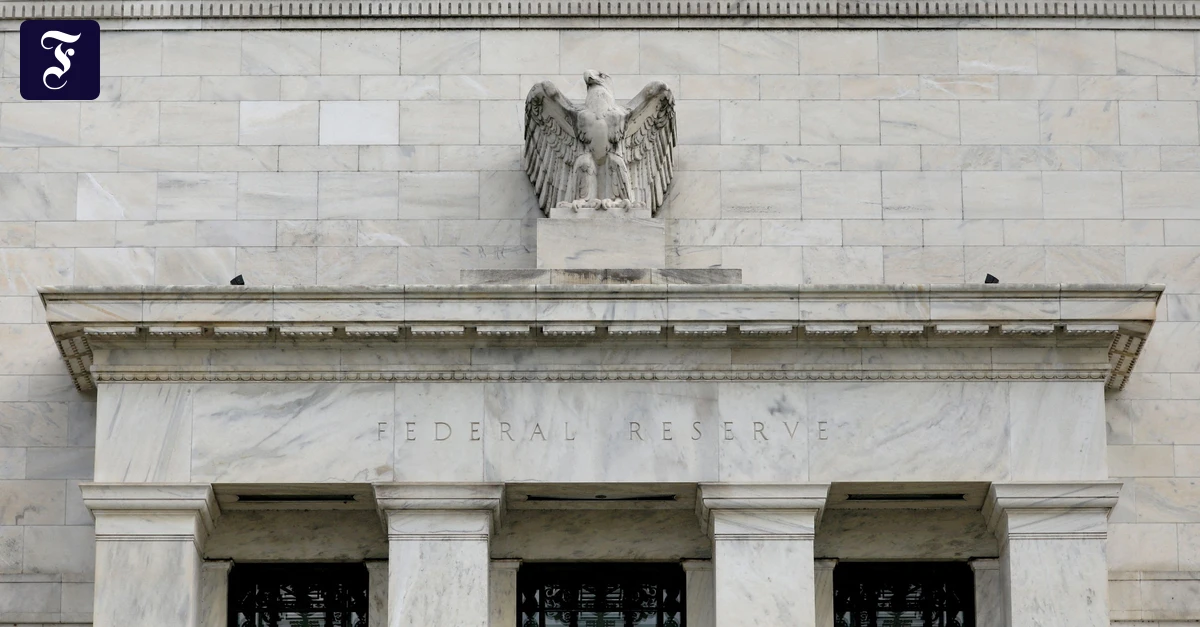
The landscape of global finance has shifted this week as the United States Senate officially confirmed Kevin Warsh as the next Chair of the Federal Reserve. The decision marks a pivotal transition for the world’s most powerful central bank, coming at a moment of acute sensitivity for international markets, fluctuating inflation rates, and a complex geopolitical environment.
For the global community, the appointment of a Federal Reserve Chair is far more than a domestic American political event. Because the U.S. Dollar serves as the primary reserve currency, the “Fed Chair” essentially acts as the world’s central banker. Every decision made by Kevin Warsh regarding interest rates and monetary tightening or easing will ripple through the economies of the European Union, the emerging markets of Asia, and the developing nations of Africa and Latin America.
Warsh, a seasoned financier and former member of the Federal Reserve Board of Governors, steps into the role during a period of transition. He succeeds Jerome Powell, whose term as Chair concludes in May 2026. The Senate’s confirmation process highlighted a desire for a leadership style that balances aggressive inflation control with a sophisticated understanding of modern capital markets—a profile Warsh has cultivated over decades in both the public and private sectors.
As an editor covering global affairs from Sofia, I have watched how shifts in Washington’s monetary policy often dictate the fiscal breathing room of smaller nations. The confirmation of Kevin Warsh is not merely a change in personnel; it is a signal to the world about the future trajectory of the U.S. Dollar and the global cost of borrowing.
The Confirmation Process and Senate Mandate
The confirmation of Kevin Warsh followed a rigorous series of hearings before the Senate Banking Committee, where he was pressed on his views regarding the Federal Reserve’s dual mandate: maintaining price stability and promoting maximum sustainable employment. The final vote in the Senate reflected a consensus on the need for a steady hand to navigate the “last mile” of the inflation fight.
During his testimony, Warsh emphasized the necessity of central bank independence, arguing that the Federal Reserve must remain insulated from short-term political pressures to ensure long-term economic stability. This commitment to independence is a critical detail for international investors who rely on the predictability of U.S. Monetary policy to price assets globally. The formal confirmation was finalized through a Senate vote, establishing his leadership via the official U.S. Senate confirmation process.
Observers noted that Warsh’s path to the chair was smoothed by his previous experience as a Governor of the Federal Reserve Board from 2006 to 2011. His tenure during the 2008 financial crisis provided him with a front-row seat to systemic collapse and recovery, an experience that his supporters argue makes him uniquely qualified to handle the current era of high debt and volatile growth.
Who is Kevin Warsh? A Profile in Monetary Discipline
To understand what the “Warsh Era” might look like, one must look at his professional trajectory. Kevin Warsh is not a traditional academic economist; rather, he is a blend of a policy expert and a high-level investment banker. This duality allows him to speak the language of both the regulator and the regulated.
His previous stint at the Fed was marked by a reputation as a “hawk”—a term used in central banking to describe those who prioritize low inflation over low unemployment, often favoring higher interest rates to keep prices in check. In the current global context, where many nations are still struggling to bring inflation down to target levels, a “hawkish” lean at the Fed can lead to a stronger U.S. Dollar, which often puts pressure on other currencies to depreciate.
Beyond his time at the central bank, Warsh’s experience in the private sector has given him a deep understanding of the plumbing of global finance. This expertise is expected to influence his approach to the Federal Open Market Committee (FOMC), the body responsible for setting the federal funds rate. Markets are currently analyzing his previous speeches and writings to determine if he will maintain the current restrictive stance or pivot toward a more accommodative policy as inflation cools.
The ‘Warsh Doctrine’: What to Expect in Monetary Policy
While no official “doctrine” has been published, Warsh’s public record suggests a focus on structural reform and a disciplined approach to the balance sheet. One of the most significant challenges facing the new Chair is the management of the Fed’s massive asset holdings—a legacy of the quantitative easing programs used to stabilize the economy during the pandemic and the 2008 crisis.
Financial analysts expect Warsh to prioritize the following areas:
- Inflation Targeting: A renewed commitment to the 2% inflation target, with a potential willingness to keep rates higher for longer if price pressures persist.
- Balance Sheet Normalization: A strategic approach to reducing the Fed’s holdings of Treasury securities and mortgage-backed securities to reduce market distortion.
- Regulatory Modernization: A possible shift toward a more “risk-based” regulatory framework for banks, focusing on systemic stability rather than rote compliance.
- Communication Clarity: A push for more transparent and predictable forward guidance to reduce volatility in the bond markets.
The impact of these priorities will be felt immediately in the bond markets. When the Fed Chair signals a “higher for longer” interest rate environment, the yield on U.S. Treasuries typically rises. Because these yields serve as a benchmark for loans worldwide, a Warsh-led Fed could inadvertently increase the cost of debt for governments in the Global South, potentially exacerbating debt distress in vulnerable economies.
Global Implications: From the Eurozone to Emerging Markets
The confirmation of Kevin Warsh creates a complex set of incentives for other central banks. For instance, the European Central Bank (ECB) must now calibrate its own rate decisions not only against Eurozone inflation but also against the expected moves of the new Fed Chair. If Warsh maintains high rates while the ECB cuts them, the Euro could weaken significantly against the dollar, making imports (including energy priced in dollars) more expensive for Europeans.
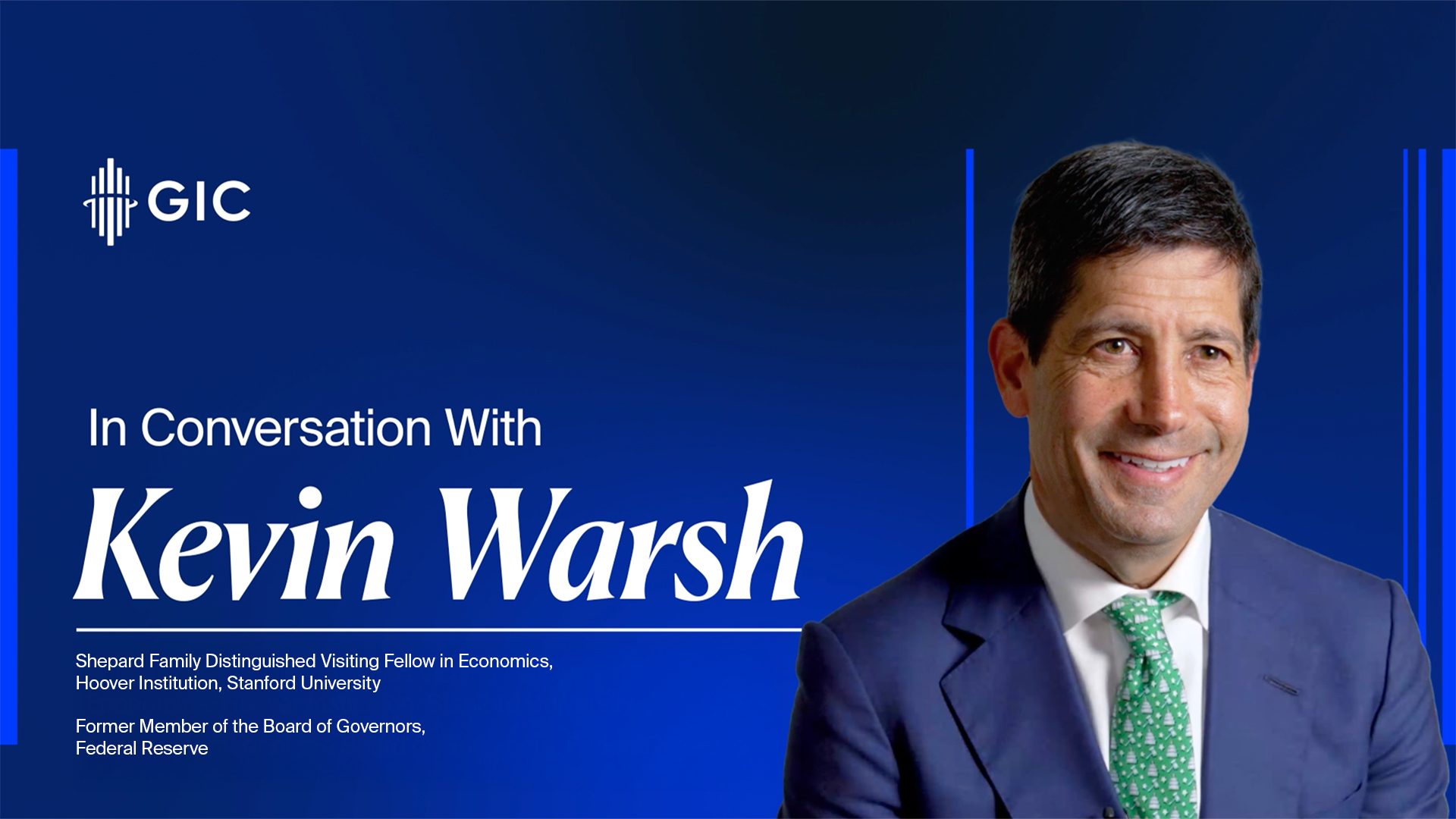
In emerging markets, the “Warsh effect” could manifest as capital flight. When U.S. Interest rates are high and the Fed leadership is perceived as disciplined and hawkish, investors often move their capital out of riskier emerging market assets and back into the safety of U.S. Dollar-denominated assets. This can lead to currency devaluation and increased inflation in those countries, creating a challenging cycle for local policymakers.
However, some global economists argue that a disciplined Fed under Warsh could actually provide long-term stability. By decisively crushing inflation in the U.S., the Fed prevents the “export” of inflation to the rest of the world, eventually allowing other central banks to lower their rates without fearing a currency collapse.
Comparison of Leadership Styles: Powell vs. Warsh
| Feature | Jerome Powell (Outgoing) | Kevin Warsh (Incoming) |
|---|---|---|
| Primary Background | Law/Private Equity | Finance/Central Banking |
| Policy Lean | Pragmatic/Adaptive | Disciplined/Hawkish |
| Communication | Measured/Consensus-based | Direct/Analytical |
| Focus Area | Crisis Management & Labor Market | Price Stability & Structural Reform |
Key Takeaways for Investors and Citizens
For those trying to navigate the economic implications of this confirmation, the following points are essential:

- Dollar Strength: Expect continued volatility in the U.S. Dollar as markets price in Warsh’s specific views on interest rate cuts.
- Borrowing Costs: Mortgage rates and corporate loan costs will remain highly sensitive to Warsh’s first few FOMC meetings.
- Market Volatility: The transition period between Powell and Warsh may see increased fluctuations in equity markets as investors seek clarity on the new “Fed playbook.”
- Global Trade: Changes in the value of the dollar will directly affect the competitiveness of exports and the cost of imports globally.
What Happens Next?
The confirmation is only the first step. The immediate focus now shifts to the official handover of power and Kevin Warsh’s first official address to the financial community. The most critical checkpoint will be his first meeting of the Federal Open Market Committee (FOMC), where he will cast his first vote on the federal funds rate. This meeting will serve as the first concrete evidence of whether Warsh intends to maintain the current trajectory or introduce a new direction for U.S. Monetary policy.
The world will be watching the Federal Reserve’s official announcements and the subsequent FOMC minutes to decode the new Chair’s priorities. As we move into the second half of 2026, the interplay between Warsh’s discipline and the global economy’s need for growth will be the defining story of international finance.
Do you believe a more “hawkish” approach from the Federal Reserve is necessary to stabilize the global economy, or does it risk pushing emerging markets into a crisis? Share your thoughts in the comments below.
Related reading