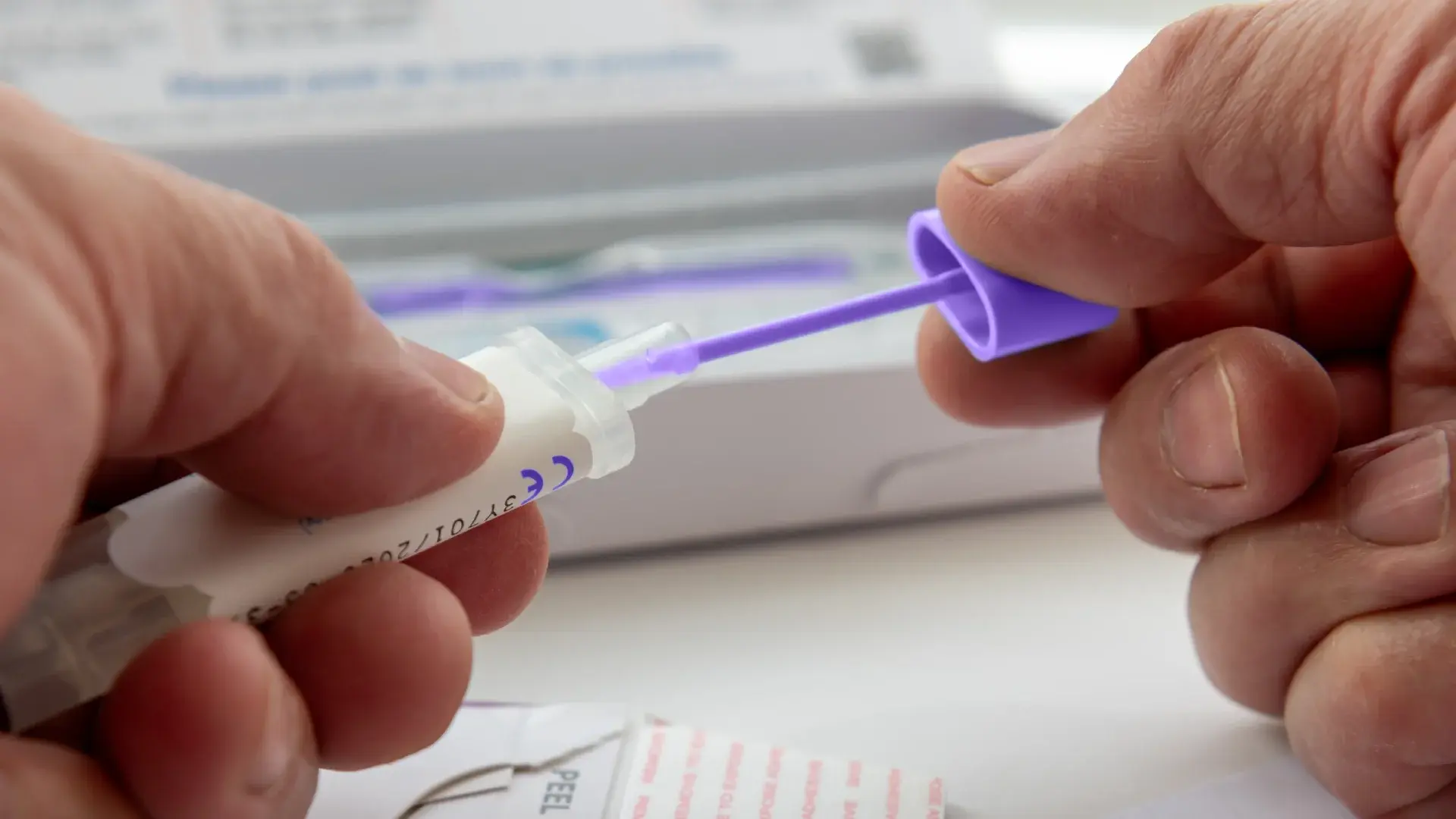
The intersection of medical innovation and healthcare accessibility has brought life-saving diagnostic tools directly into the homes of millions. Colon cancer screening kits, designed to increase compliance and early detection of colorectal malignancies, represent a significant leap in preventative medicine. However, the convenience of these home-based tests has also created new vulnerabilities within the healthcare payment system.
Recent investigations into healthcare payment integrity have highlighted a troubling trend: the rise of Fraud, Waste, and Abuse (FWA) schemes targeting diagnostic testing. While these screenings are clinically indispensable when used appropriately, they are increasingly becoming vehicles for excessive billing and questionable ordering practices that threaten the sustainability of health plans and the integrity of patient care.
At the heart of this issue is the exploitation of complex coverage rules and aggressive outreach strategies. When the barrier to obtaining a test is lowered, the risk of “over-utilization”—where tests are ordered without strict clinical necessity—increases. This environment allows lousy actors to leverage the perceived simplicity of home kits to generate illicit revenue through inflated or unfounded claims.
Industry experts and investigators, including those at Cotiviti, have begun identifying specific “outlier billing patterns” that signal potential fraud. By analyzing massive datasets of provider claims, investigators can spot anomalies where a single provider’s billing volume for screening kits deviates sharply from the established norm for their peer group, often revealing a lack of supporting clinical documentation.
The Mechanics of FWA in Diagnostic Screening
Fraud, Waste, and Abuse (FWA) are distinct but related concepts in healthcare. Fraud involves intentional deception to gain a financial advantage, while waste refers to the over-utilization of services or other practices that result in unnecessary costs. Abuse occurs when practices are inconsistent with sound medical or professional standards, resulting in unnecessary costs to the healthcare system.
In the context of colon cancer screening kits, excessive billing often manifests through several specific tactics. One common method involves “aggressive outreach,” where providers or third-party marketers solicit patients to take tests regardless of their actual risk profile or screening schedule. When these tests are billed to insurance without a legitimate physician-patient relationship or a documented medical need, it constitutes a breach of payment integrity.
Another critical red flag is the presence of insufficient documentation. For a screening to be legitimate and reimbursable, there must be a clear record of the order and the patient’s eligibility. Investigators frequently find that in FWA schemes, the “paper trail” is either missing or fabricated, with providers billing for kits that were never sent or for results that were never analyzed.
The complexity of these schemes is often compounded by the use of “shell” clinics or telemedicine platforms that lack a physical presence but generate thousands of orders. By leveraging these platforms, fraudulent actors can scale their billing operations rapidly, often staying just below the radar of traditional audit triggers until their total volume becomes an undeniable outlier.
Identifying Outlier Billing Patterns
Detecting FWA in a sea of millions of claims requires sophisticated data analytics. Payment integrity investigators look for “outliers”—providers whose billing behavior is statistically improbable compared to others in the same specialty and geographic region.
For instance, if the average primary care physician in a specific region orders a certain number of colorectal screening kits per 1,000 patients per year, a provider who is billing ten times that amount without a corresponding increase in their patient population is flagged for review. This quantitative spike is the first step in an investigation that then moves toward qualitative review, such as auditing medical records to ensure each test was clinically indicated.
The Centers for Medicare & Medicaid Services (CMS) provides various guidelines and oversight mechanisms to combat such fraud, emphasizing that services must be reasonable and necessary for the diagnosis or treatment of illness or injury to be covered. When providers ignore these mandates to maximize billing, they risk not only financial penalties but also legal action under the False Claims Act.
Investigators also monitor the “conversion rate” of kits. In a legitimate screening program, there is a predictable ratio between kits mailed and kits returned and processed. A pattern where a provider bills for an enormous number of kits but has a disproportionately low return rate—or conversely, a 100% return rate—can indicate that the billing is detached from actual patient activity.
The Clinical Importance of Colorectal Screening
It is essential to distinguish between the fraudulent exploitation of the system and the genuine clinical value of the tests themselves. Colorectal cancer is one of the most preventable forms of cancer because it typically begins as a polyp—a small growth that can be removed before it becomes malignant.
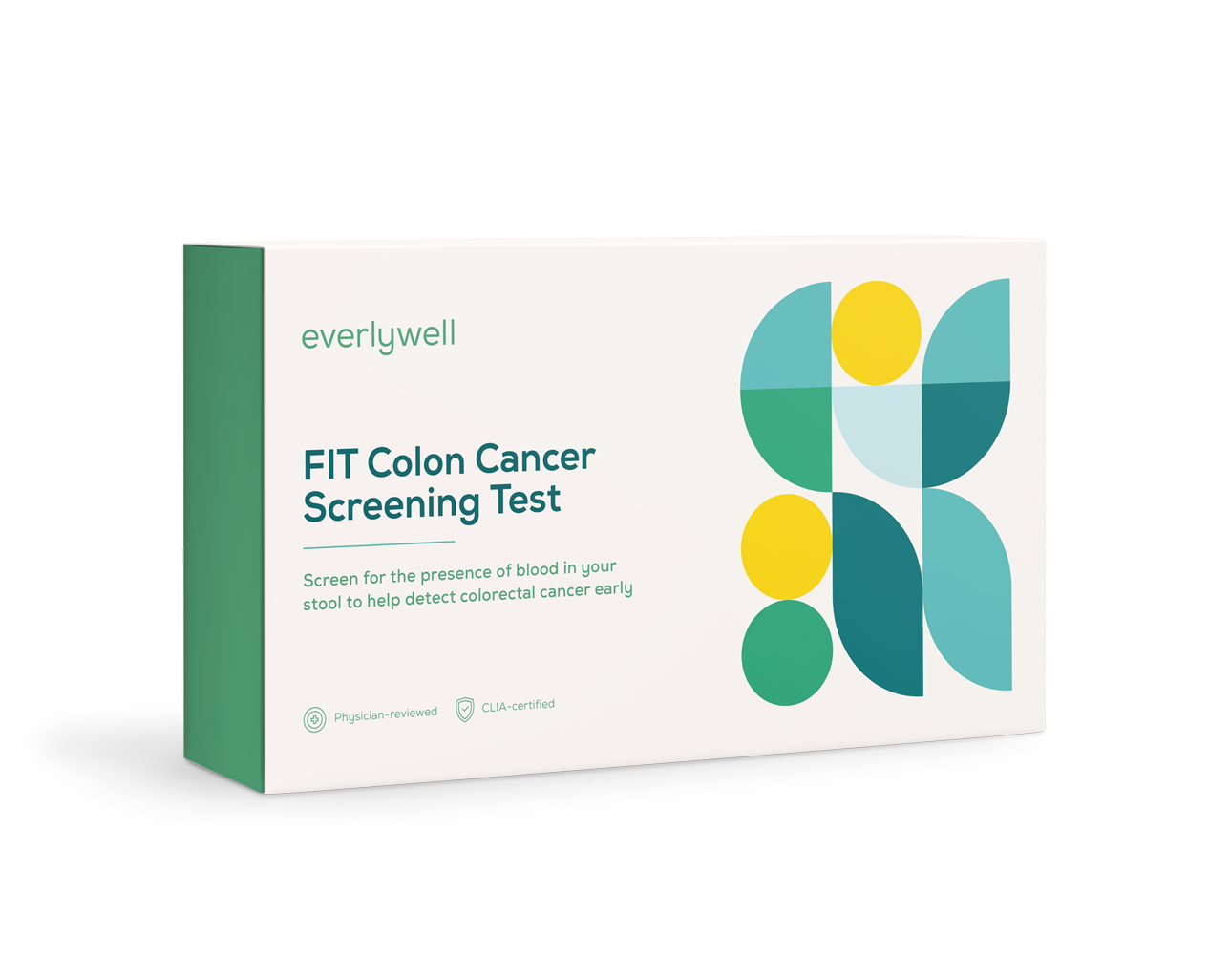
Home-based screening kits, such as fecal immunochemical tests (FIT) or stool DNA tests, provide a non-invasive alternative to colonoscopies. These tools are vital for patients who may be hesitant to undergo invasive procedures or who lack access to specialized gastroenterology clinics. When used correctly, these kits act as a primary filter, identifying high-risk individuals who then require a follow-up colonoscopy for definitive diagnosis and polyp removal.
The danger of FWA is that it casts a shadow over these beneficial tools. When insurance companies tighten restrictions in response to fraud, it can create “friction” for legitimate patients trying to access necessary care. This creates a paradox where the actions of a few fraudulent providers can lead to increased hurdles for the general population seeking preventative screenings.
Impact on the Healthcare Ecosystem
The financial impact of excessive billing extends far beyond the immediate loss of funds for a single health plan. Because the healthcare system is an interconnected web of public and private payers, systemic fraud drives up the overall cost of care.
For the insurer, FWA results in “leakage”—the loss of funds that could have been used to lower premiums or expand coverage for other essential services. For the taxpayer, fraud within government-funded programs like Medicare leads to a direct loss of public funds. According to the Office of Inspector General (OIG), healthcare fraud costs the United States tens of billions of dollars annually, diverting resources away from actual patient care.
Beyond the financial cost, there is a potential risk to patient safety. When patients are aggressively recruited for unnecessary tests, they may receive “false positives” that lead to unnecessary, invasive follow-up procedures. A colonoscopy, while safe when necessary, carries inherent risks, including bowel perforation or reactions to sedation. Subjecting a healthy patient to these risks due to a fraudulent billing scheme is a serious breach of medical ethics.
Strategies for Health Plan Oversight
To combat the evolution of diagnostic fraud, health plans are shifting from a “pay-and-chase” model—where they pay claims and then attempt to recover funds after fraud is discovered—to a “prevent-and-detect” model. This involves implementing pre-payment edits and real-time monitoring.
Key strategies for recognizing signs of FWA in home screening tests include:
- Cross-Referencing Patient Data: Ensuring the patient is of the appropriate age and risk category for the screening being billed.
- Monitoring Provider Velocity: Tracking the speed and volume of orders from a single NPI (National Provider Identifier) to detect sudden, unexplained spikes.
- Requiring Detailed Documentation: Mandating that the clinical rationale for the test be submitted with the claim for providers flagged as outliers.
- Patient Verification: Implementing random “patient wellness checks” to confirm that the patient actually received and used the kit for which the provider billed.
Collaboration between different payers is also crucial. Fraudulent providers often target multiple insurance companies simultaneously to avoid triggering the outlier detection of any single plan. By sharing anonymized data on suspicious billing patterns, the industry can identify systemic bad actors more efficiently.
Practical Guidance for Patients
Patients can protect themselves and their insurance benefits by remaining vigilant about how their screenings are ordered. While home kits are convenient, they should always be part of a managed care plan overseen by a known healthcare provider.
Warning signs for patients include:
- Receiving unsolicited screening kits in the mail from a provider they have never visited.
- Being encouraged to take a test by a telemarketing call or an online ad promising “free” screenings.
- Noticing charges on their Explanation of Benefits (EOB) for tests they never requested or performed.
If a patient suspects that their identity is being used for fraudulent billing, they should contact their insurance provider immediately and report the incident to the Federal Trade Commission (FTC) or the relevant national health authority.
The Path Forward in Payment Integrity
The fight against FWA in diagnostic testing is a continuous arms race. As investigators develop better detection tools, fraudulent actors develop more sophisticated ways to mask their patterns. The goal is not to eliminate the convenience of home screening, but to ensure that the infrastructure supporting it is transparent and accountable.
The future of healthcare payment integrity lies in the integration of Artificial Intelligence (AI) and Machine Learning (ML). These technologies can move beyond simple outlier detection to identify complex “clusters” of fraud—where multiple providers, labs, and marketers coordinate their efforts to mimic legitimate clinical patterns.
the integrity of the healthcare system depends on the alignment of financial incentives with patient outcomes. When the reward for billing exceeds the reward for healing, the system is at risk. By prioritizing rigorous oversight and data-driven detection, the medical community can ensure that colon cancer screening remains a tool for saving lives rather than a tool for financial exploitation.
As regulatory bodies and payment integrity firms continue to refine their oversight, the next critical checkpoint will be the release of updated billing guidelines and audit criteria for home-based diagnostic tests, which are expected to be reviewed in upcoming annual policy updates by major health regulators.
Do you have experience with unexpected medical bills or concerns about healthcare fraud? Share your thoughts in the comments below or share this article to help others stay informed.
Related reading