London is a city that breathes history through its limestone facades and cobblestone alleys. For the traveler with only 24 hours to spare, the sheer scale of the British capital can be overwhelming. From the futuristic skyline of the City to the royal grandeur of Kensington, the options are endless. However, for those seeking the soul of the city, the answer lies in a specific, historic corridor that connects the riverside fortress of the east to the political heart of the west.
To truly experience historic London in 1 day, one must focus on the “Golden Triangle” of the city’s heritage: the Tower of London, St Paul’s Cathedral, and the Westminster district. This route is not merely a sightseeing trip; it is a chronological journey through nearly a millennium of English history, spanning the Norman Conquest, the Great Fire of 1666, and the evolution of the modern parliamentary system.
As a journalist who has spent over a decade analyzing the intersection of culture and competition, I view a one-day itinerary as a tactical challenge. Success requires a balance of efficiency and immersion. To avoid the common mistake of spending half the day underground on the Tube, the most strategic approach is to utilize the River Thames as a primary transit artery, allowing the city’s landmarks to unfold naturally from the water.
This curated guide focuses on the three pillars of London’s historic identity. By prioritizing these sites, visitors can move from the grim dungeons of the Tower to the celestial dome of St Paul’s, ending their journey at the seat of global power in Westminster. This is the definitive blueprint for capturing the essence of London’s legacy in a single sunrise-to-sunset window.
The Tower of London: A Fortress of Power and Pain
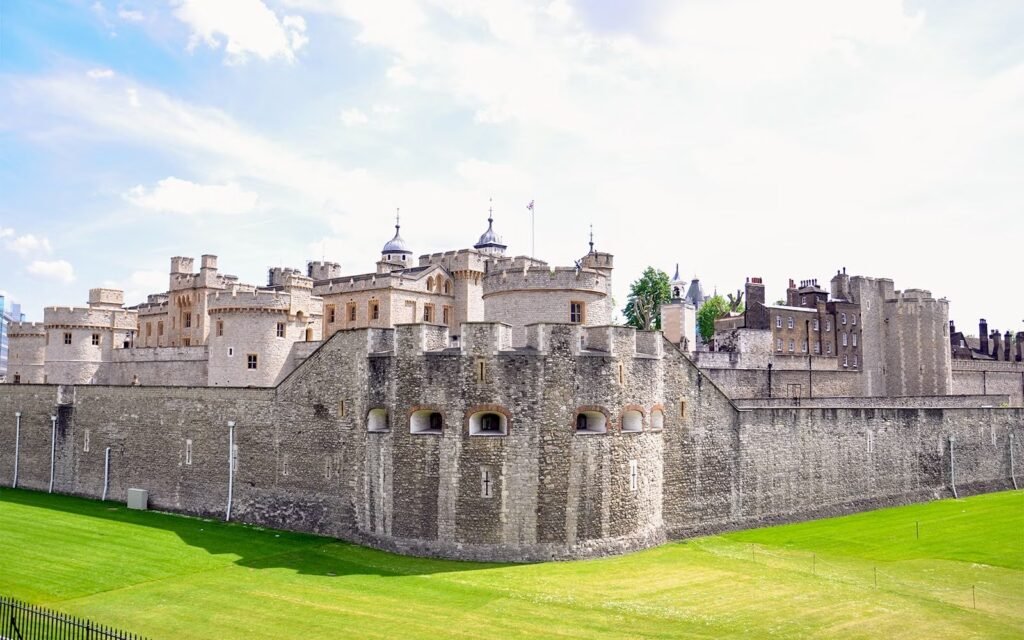
The ideal day begins at the eastern edge of the historic center. The Tower of London is more than a castle; it is a physical record of the English monarchy’s relationship with power and punishment. Founded by William the Conqueror in 1066, the fortress was designed to intimidate the citizens of London and secure the city for the Norman invaders.
Upon entering, the primary objective is the White Tower, the central keep that gives the complex its name. This imposing structure serves as a museum of royal armor and weaponry, offering a glimpse into the military evolution of the British Isles. However, the true draw for most is the Crown Jewels. Housed in the Waterloo Barracks, this collection includes some of the most valuable diamonds in the world, including the Cullinan I, which is the largest clear cut diamond ever found.
To get the most out of the visit, guests should join a tour led by the Yeoman Warders, popularly known as “Beefeaters.” These guards are retired military veterans who serve as the official guides of the Tower. Their storytelling transforms the site from a collection of stone walls into a living narrative of intrigue, detailing the executions of Anne Boleyn and Catherine Howard, and the legendary ravens that are said to protect the kingdom—for if the ravens leave the Tower, the legend suggests the monarchy will fall.
Visitors should allocate approximately three hours here. The Tower is vast, and the crowds around the Crown Jewels can be significant. To maximize time, it is recommended to arrive 30 minutes before the gates open to avoid the initial surge of tourists.
St Paul’s Cathedral: The Architectural Heart of London
Moving west from the Tower, the next essential stop is St Paul’s Cathedral. If the Tower represents the city’s strength and fear, St Paul’s represents its resilience and aspiration. The current structure is the masterpiece of Sir Christopher Wren, commissioned to replace the cathedral destroyed during the Great Fire of London in 1666.
The cathedral’s dome is one of the most iconic silhouettes in the world. For those with the stamina, climbing to the Stone Gallery and the Golden Gallery provides a panoramic view of the city that bridges the gap between the medieval streets and the glass skyscrapers of the financial district. Inside, the scale of the nave and the intricate detail of the mosaics evoke a sense of timelessness, reminding visitors of the cathedral’s role in national milestones, including the funeral of Sir Winston Churchill.
A visit to the crypt is equally essential. As the final resting place of Lord Nelson and the Duke of Wellington, the crypt offers a quieter, more reflective experience than the grandeur of the main altar. It serves as a reminder of the human cost of the empire’s expansion and the personal stories behind the national heroes.
Strategically, St Paul’s serves as the perfect midpoint. The surrounding area is rich with “City of London” history, where the ancient boundaries of the Roman city (Londinium) are still visible. A short walk through the nearby alleys reveals the remnants of the city’s commercial past, providing a necessary atmospheric transition before heading toward the political center of the capital.
Westminster: Where Sovereignty and Spirit Meet
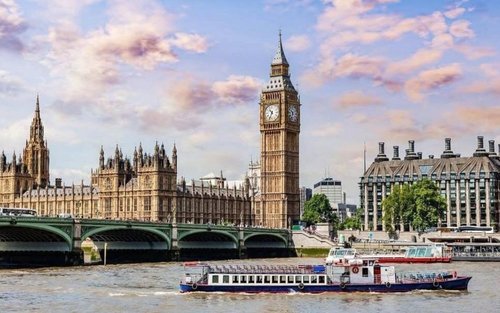
The final leg of the journey brings visitors to the Westminster district, the epicenter of British governance and spirituality. This area is dominated by three primary landmarks: the Houses of Parliament, the Elizabeth Tower (housing the bell known as Big Ben), and Westminster Abbey.
The UK Parliament buildings are a triumph of Perpendicular Gothic architecture. While internal tours are subject to parliamentary schedules, the exterior provides a masterclass in political symbolism. The Elizabeth Tower is the most photographed clock tower in the world, and seeing it in person provides a tangible connection to the rhythms of British public life.
Adjacent to the Parliament is Westminster Abbey, a site of unparalleled historical significance. Since the coronation of William the Conqueror in 1066, every English and British monarch has been crowned here. The Abbey is not just a church but a national mausoleum, containing the graves of 17 monarchs and countless poets, scientists, and statesmen in Poets’ Corner. Walking through the nave is akin to walking through a “Who’s Who” of Western intellectual and political history.
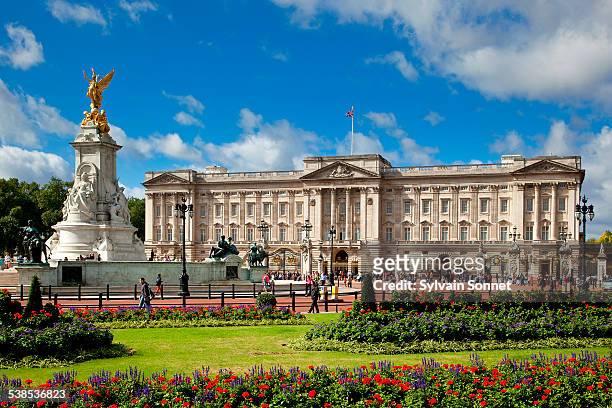
For those who have time remaining, a brief walk toward St. James’s Park leads to the gates of Buckingham Palace. While the interior is only open to the public during specific summer months, the Changing of the Guard remains one of the most popular spectacles for visitors, blending military precision with royal tradition.
Navigating the Thames: The Strategic Arteries of the City
The secret to executing this itinerary without exhaustion is the River Thames. Rather than relying solely on walking or the Tube, visitors should use the river as a scenic highway. A river cruise or the Uber Boat by Thames Clippers allows travelers to move from the Tower of London to Westminster while seeing the city’s evolution from the water.
From the river, the contrast of London becomes clear. You can see the historic Tower Bridge—a feat of Victorian engineering—standing alongside the Shard, the tallest building in Western Europe. This perspective provides a mental map of the city that is impossible to gain from the street level. It transforms the transit time between landmarks into a sightseeing event in its own right.
For a more leisurely experience, a sunset cruise is recommended as the day winds down. The way the light hits the limestone of the Houses of Parliament and the dome of St Paul’s creates a visual narrative of the city’s endurance. It is the most atmospheric way to conclude a day spent in the presence of centuries of history.
One-Day Historic London Logistics Summary
| Time Slot | Location | Key Highlight | Estimated Duration |
|---|---|---|---|
| 09:00 AM – 12:00 PM | Tower of London | Crown Jewels & Beefeater Tour | 3 Hours |
| 12:30 PM – 02:30 PM | St Paul’s Cathedral | The Dome & The Crypt | 2 Hours |
| 03:00 PM – 05:30 PM | Westminster District | Abbey & Parliament | 2.5 Hours |
| 06:00 PM onwards | River Thames | Sunset Cruise / Evening Walk | Flexible |
Frequently Asked Questions for First-Time Visitors
Do I need to book tickets in advance?
Yes. For the Tower of London and Westminster Abbey, pre-booking is highly recommended to avoid queues that can exceed two hours during peak seasons. St Paul’s also offers timed entry tickets that streamline the process.
What is the best way to get between these three sites?
The most efficient and scenic method is the river boat. Alternatively, the District and Circle lines of the London Underground connect these areas, but you will miss the architectural vistas of the riverbank.
What should I wear for a day of historic exploration?
Comfortable walking shoes are non-negotiable. Because you will be visiting active places of worship (St Paul’s and Westminster Abbey), modest attire is suggested. A light waterproof jacket is always advisable, regardless of the forecast.
Can I see all three sites in a single day?
Yes, provided you stick to a disciplined schedule and avoid spending too much time in the gift shops. The key is to focus on the main attractions of each site rather than attempting to see every single room or exhibit.
The journey through historic London is an exercise in perspective. By focusing on the Tower, St Paul’s, and Westminster, a visitor captures the three essential themes of the city: its strength, its faith, and its governance. While 24 hours is a fraction of the time needed to truly know London, this itinerary ensures that no one leaves without witnessing the pillars of the British story.
The next major milestone for the city’s historic sites will be the upcoming seasonal updates to the royal residence schedules and the annual maintenance rotations of the Elizabeth Tower. Visitors are encouraged to check the official royal and parliamentary calendars before planning their trip to ensure all sites are accessible.
Do you have a favorite hidden gem in historic London, or a tip for avoiding the crowds at the Tower? Share your experiences in the comments below and share this guide with your fellow travelers.
Related reading