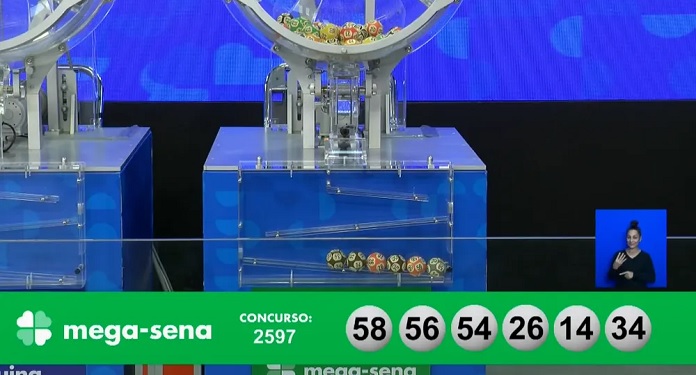
The thrill of a potential life-changing windfall has once again captured the imagination of millions across Brazil as the Mega-Sena, the nation’s premier lottery, continues to accumulate. The latest jackpot has surged to nearly R$ 65 million, creating a wave of anticipation as ticket sales spike in hopes of hitting the elusive six-number combination.
For many, the Mega-Sena is more than a game of chance; We see a cultural phenomenon that reflects the enduring hope for upward mobility. When the top prize “acumula”—or accumulates—it signifies that no player successfully matched all six numbers in the previous draw, allowing the prize pool to roll over and grow, often reaching astronomical figures that dominate national headlines.
As the Chief Editor of Business at World Today Journal, I have observed how these lottery surges often trigger brief but intense periods of consumer optimism. From a macroeconomic perspective, while the odds are slim, the psychological impact of a R$ 65 million prize often stimulates local activity around lottery outlets and fuels public discourse on wealth management and financial planning.
The current prize pool is managed by Caixa Econômica Federal, the government-owned bank responsible for overseeing Brazil’s lottery system. The accumulation is a result of the high difficulty of the game, which requires players to select six numbers from a pool of 60, creating a mathematical hurdle that ensures the jackpot remains elusive for long stretches.
Breaking Down the Results: Winners and Near Misses
While the top prize remains unclaimed, the most recent draw saw a significant number of winners in the lower tiers. In the lottery’s tiered system, players do not need to hit the jackpot to receive a payout. The “Quadra,” where players match four of the six drawn numbers, saw a notable distribution of winners. Reports indicate that 49 players in the state of Mato Grosso do Sul alone managed to secure a Quadra win, highlighting the regional pockets of luck that often accompany these draws.
These secondary prizes, while modest compared to the R$ 65 million headline figure, provide an immediate injection of liquidity into local economies. The distribution of these prizes is a critical part of the Mega-Sena’s appeal, ensuring that a broader segment of the population feels the “touch of luck,” even if the life-altering jackpot remains out of reach.
The draw process is strictly regulated to ensure transparency and fairness. Each contest is conducted under the supervision of official auditors, and the results are published immediately via official channels to prevent fraud and maintain public trust in the system.
The Mathematics of Hope: Understanding the Odds
To the casual bettor, the process is simple: pick six numbers and hope for the best. However, from an economic and mathematical standpoint, the Mega-Sena is a study in extreme probability. The odds of winning the jackpot with a single six-number bet are approximately 1 in 50,063,860.
This staggering improbability is precisely why the prize accumulates so frequently. When the jackpot reaches figures like R$ 65 million, the “perceived value” of the ticket increases, leading to a surge in “Bolões”—syndicate bets where groups of people pool their money to buy more combinations. These syndicates effectively increase the probability of winning by increasing the number of entries, although the eventual prize must be split among all participants.
From my experience analyzing global markets, the “Bolão” system is a fascinating example of risk diversification. By sharing the cost of the ticket, players lower their individual financial exposure while marginally improving their statistical chance of a return. It transforms a solitary gamble into a social and strategic effort.
Mega-Sena Prize Tiers Explained
Understanding how the payouts are structured is essential for any participant. The Mega-Sena operates on three main winning levels:
- Sena: Matching all 6 numbers. This is the jackpot winner who takes the lion’s share of the prize pool.
- Quina: Matching 5 numbers. This prize is significantly smaller than the Sena but still substantial.
- Quadra: Matching 4 numbers. This is the most common winning tier, providing a smaller, more frequent payout.
The Economic Impact: Where Does the Money Go?
One of the most misunderstood aspects of the Brazilian lottery system is the destination of the funds. Unlike private gambling enterprises, the Mega-Sena is a state-run operation. A significant portion of every ticket sold is legally mandated to be reinvested into social sectors. According to the regulatory framework managed by the Brazilian Ministry of Finance, lottery proceeds are often allocated to funding education, sports, security, and cultural projects.
This creates a unique economic duality: while the lottery is often criticized as a “regressive tax” because lower-income individuals spend a larger percentage of their earnings on tickets, the resulting revenue provides essential funding for public services that benefit the same demographic. This cycle of “hope-funded public investment” is a cornerstone of Brazil’s social funding strategy.
the payment of the prize itself has tax implications. In Brazil, lottery winnings are subject to federal income tax, which is withheld at the source. This means the “advertised” prize is often the net amount the winner receives, though the gross amount contributed to the state is higher. For a R$ 65 million prize, the tax contribution to the national treasury is substantial, further linking individual luck to national fiscal health.
Practical Guide for Participants and Winners
For those tempted by the R$ 65 million prize, it is important to follow official protocols to ensure the security of their bets and the legitimacy of any potential winnings. Tickets can be purchased at authorized lottery houses (Lotéricas) or through the official digital platforms provided by Caixa.
If a player finds themselves holding the winning ticket, the process for claiming the prize depends on the amount. Smaller prizes, such as the Quadra, can often be claimed at any lottery outlet. However, for the jackpot—especially one approaching R$ 65 million—the winner must present their original ticket and identification at a branch of Caixa Econômica Federal.
I always advise high-net-worth individuals or sudden lottery winners to seek professional financial counsel immediately. The “lottery curse”—where winners squander their wealth due to a lack of financial literacy—is a global phenomenon. Establishing a trust, diversifying assets into low-risk bonds, and avoiding immediate, large-scale luxury expenditures are the hallmarks of sustainable wealth management.
Key Takeaways: Mega-Sena Accumulation
- Current Jackpot: The prize pool has accumulated to nearly R$ 65 million due to no winners in the previous draw.
- Odds: The probability of winning the jackpot with a single bet is approximately 1 in 50 million.
- Social Impact: A large portion of ticket sales is legally diverted to public funding for education and security.
- Winning Tiers: Prizes are awarded for matching 4 (Quadra), 5 (Quina), or 6 (Sena) numbers.
- Claim Process: Jackpot winners must claim their prizes exclusively through Caixa Econômica Federal branches.
What Happens Next?
The anticipation now shifts to the next scheduled draw. As the prize continues to climb, the volume of bets is expected to increase, which in turn increases the statistical likelihood that a winner will emerge. If the next draw also fails to produce a “Sena” winner, the jackpot will continue to accumulate, potentially crossing the R$ 70 million threshold.

For the most accurate and up-to-date results, players are encouraged to monitor the official Caixa Loterias portal, which serves as the sole authoritative source for winning numbers and prize distributions.
We invite our readers to share their thoughts: Do you view the lottery as a harmless form of entertainment or a problematic economic tool? Let us know in the comments below and share this analysis with your network.
Related reading