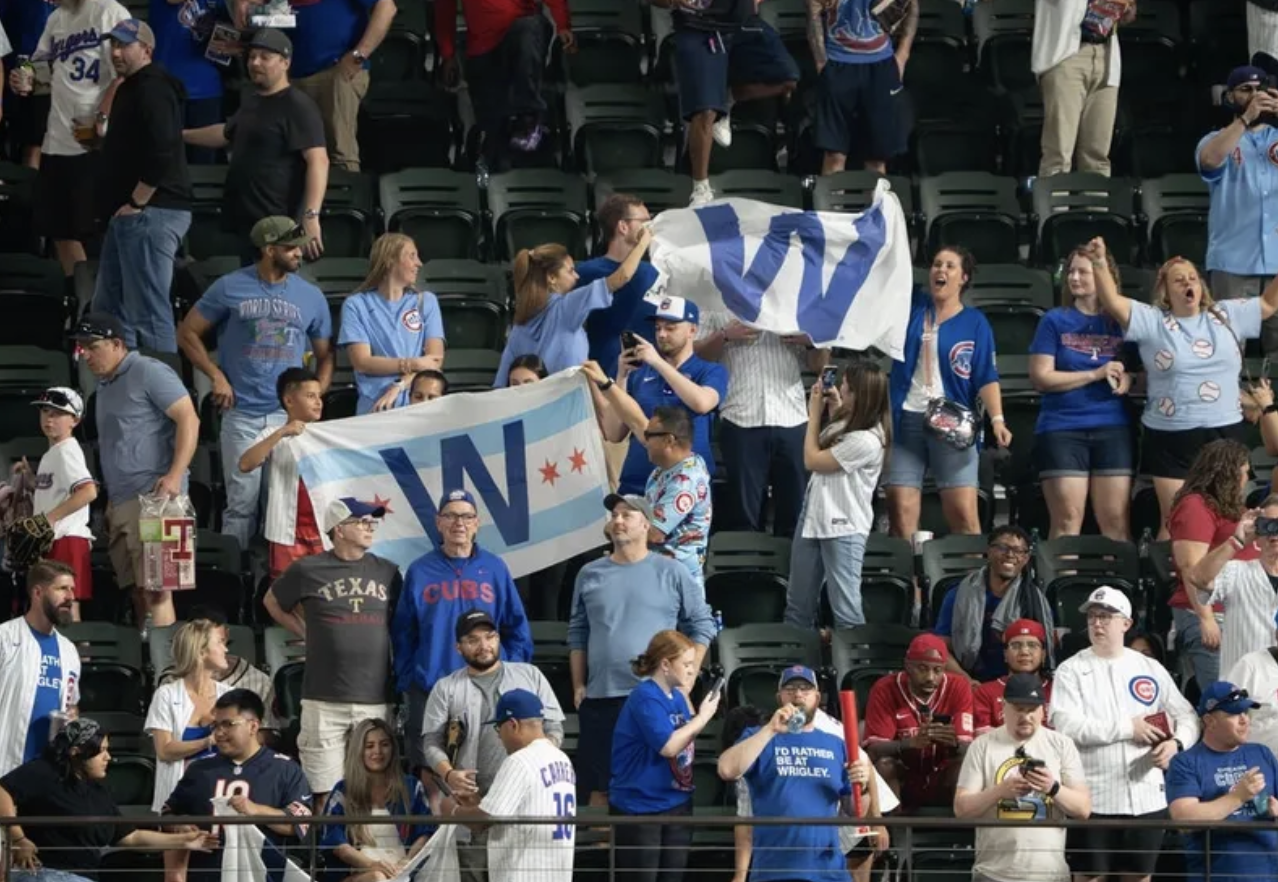
The landscape of the National League Central shifted significantly this winter, as the Chicago Cubs made a bold move to solidify their pitching staff. The Edward Cabrera trade, finalized in early January, has already sparked intense debate among baseball analysts and fans alike, with many questioning whether the Miami Marlins gave up too much to acquire a high-ceiling prospect.
By acquiring the 6-foot-5 right-hander from the Dominican Republic, the Cubs have signaled their intent to compete for a World Series title. For Miami, the move was about immediate talent and future versatility, but as Cabrera settles into the Chicago system, the narrative is beginning to tilt toward a potential victory for the North Siders.
The deal, which occurred on January 7, 2026, saw the Cubs acquire Cabrera in exchange for top outfield prospect Owen Caissie and two other players, according to ESPN. While Caissie represents a significant loss of prospective offensive power for Chicago, the acquisition of a potential ace changes the mathematical equation for a team with championship ambitions.
The Vision for a Top-of-the-Rotation Arm
From the moment the trade was finalized, the Cubs’ front office viewed Cabrera not merely as a rotational piece, but as a cornerstone. The organization envisions him as a top-of-the-rotation starter—the kind of arm capable of delivering dominant performances at Wrigley Field during a high-pressure October postseason run.
This optimism is shared by his teammates. Cubs pitcher Matthew Boyd has been vocal about the talent Cabrera brings to the clubhouse, stating, “Edward’s the real deal. You’re going to see it,” as reported by The Athletic.
The transition to Chicago has been characterized by a “getting-to-know-each-other” phase, with the team focusing on integration rather than overhaul. Manager Craig Counsell has been explicit in his approach, emphasizing that the Cubs are not attempting to change Cabrera’s mechanics or his existing repertoire.
Technical Nuances and Spring Training Progress
A key point of discussion regarding Cabrera’s arsenal has been his “changeup.” While some observers have labeled the pitch as such, manager Craig Counsell clarified that the 93 mph offering is actually a different version of his fastball rather than a traditional changeup.
This commitment to maintaining the pitcher’s natural style appears to be paying dividends early in the season. During a recent appearance at Sloan Park—where the Cubs have led the Cactus League in attendance for the last 12 years—Cabrera showed flashes of the dominance Chicago expects. He threw two scoreless innings against the Cleveland Guardians, demonstrating the composure and velocity that made him a target for a big-market team.
Key Trade Components
| Team | Acquired | Given Up |
|---|---|---|
| Chicago Cubs | Edward Cabrera (RHP) | Owen Caissie (OF) + 2 others |
| Miami Marlins | Owen Caissie (OF) + 2 others | Edward Cabrera (RHP) |
Analyzing the ‘Fleeced’ Narrative
In professional baseball, the term “fleeced” is often applied when one team acquires a transformative talent for a price that later seems inadequate. The argument for the Cubs “fleecing” the Marlins rests on the scarcity of true power arms. While Owen Caissie is a highly regarded prospect, a 6-foot-5 pitcher with Cabrera’s trajectory is a rarer commodity in the current MLB market.
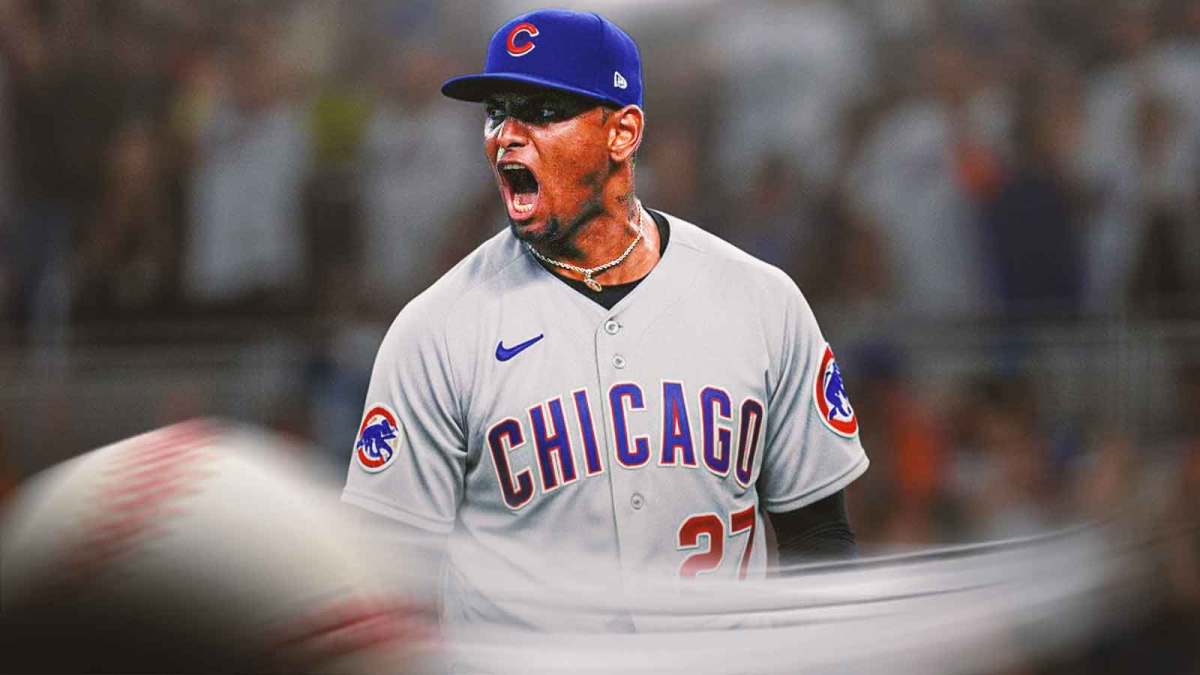
The Cubs are betting that Cabrera’s ceiling is higher than the combined potential of the players they sent to Miami. If Cabrera evolves into a consistent All-Star and a postseason anchor, the trade will be viewed as a masterstroke of asset management by the Chicago front office.
For the Marlins, the success of the trade depends on Caissie’s ability to become a cornerstone of their outfield. However, the immediate impact of adding a high-velocity starter to a rotation often outweighs the long-term gamble on a position player in the eyes of championship-contending organizations.
As the regular season approaches, the focus remains on Cabrera’s ability to maintain his health and consistency. The Cubs have provided him with a supportive environment, allowing him to lean into his natural strengths while acclimating to the expectations of a city and a fanbase hungry for another title.
The next major checkpoint for the Edward Cabrera trade will be the official Opening Day rosters and the subsequent first month of the regular season, which will provide the first real data on how Cabrera performs against major league lineups in a competitive setting.
Do you think the Cubs gave up too much in Owen Caissie, or is Edward Cabrera the missing piece for a World Series run? Share your thoughts in the comments below.
Worth a look