
Amsterdam authorities have made a significant breakthrough in the Paul Wyber death investigation following the arrest of two minors. The suspects, aged 15 and 17, were taken into custody in connection with the death of the 73-year-old man, who was discovered deceased in his residence in the city’s central Jordaan district.
The arrests follow a period of intense police activity after investigators determined that Wyber’s death was not due to natural causes. Local law enforcement has officially indicated a suspicion of foul play, elevating the case to a criminal homicide probe. The discovery of the body sparked concern within the tight-knit Jordaan community, as the victim had reportedly been deceased for some time before being found.
While the police have not yet released the specific nature of the charges or the evidence linking the two teenagers to the crime, the arrests mark a pivotal shift in the timeline of the case. The investigation is now focusing on the relationship between the suspects and the victim, as well as the events leading up to the discovery of the body.
Breakthrough in the Jordaan Homicide Investigation
The arrest of the 15- and 17-year-old suspects comes after a wide-scale investigation launched by Amsterdam police. The Jordaan district, known for its narrow streets and historic charm, became the center of a forensic operation as authorities worked to reconstruct the final hours of Paul Wyber’s life. The suspicion of a crime was established early in the process, leading to a search for witnesses and digital evidence.
Under Dutch law, the handling of suspects under the age of 18 involves specific legal protections and procedures. Because the suspects are minors, their identities are being withheld from the public to protect their privacy and the integrity of the ongoing judicial process. The suspects are currently being held for questioning as investigators seek to establish a motive for the killing of the 73-year-old resident.
The investigation has involved the coordination of multiple forensic units to analyze the crime scene within Wyber’s home. Police are examining whether the incident was a targeted attack or the result of a different set of circumstances. The involvement of two juveniles in a case of this severity has raised questions regarding the circumstances surrounding the encounter between the suspects and the elderly victim.
Timeline of Events and the Discovery of the Victim
One of the most distressing aspects of the case is the suspected timeline of Paul Wyber’s death. According to investigative details, Wyber was presumably last seen alive on April 27, coinciding with King’s Day, one of the Netherlands’ largest national celebrations. The gap between his last known sighting and the discovery of his body suggests that he may have been lying in his home for a considerable period before the alarm was raised.
The delay in discovery often complicates homicide investigations, as it can lead to the degradation of forensic evidence. However, Amsterdam police have utilized a combination of neighborhood canvassing and technical surveillance to narrow down the window of time in which the crime occurred. The fact that the victim remained undiscovered for weeks highlights the isolation that can sometimes affect elderly residents in urban environments.
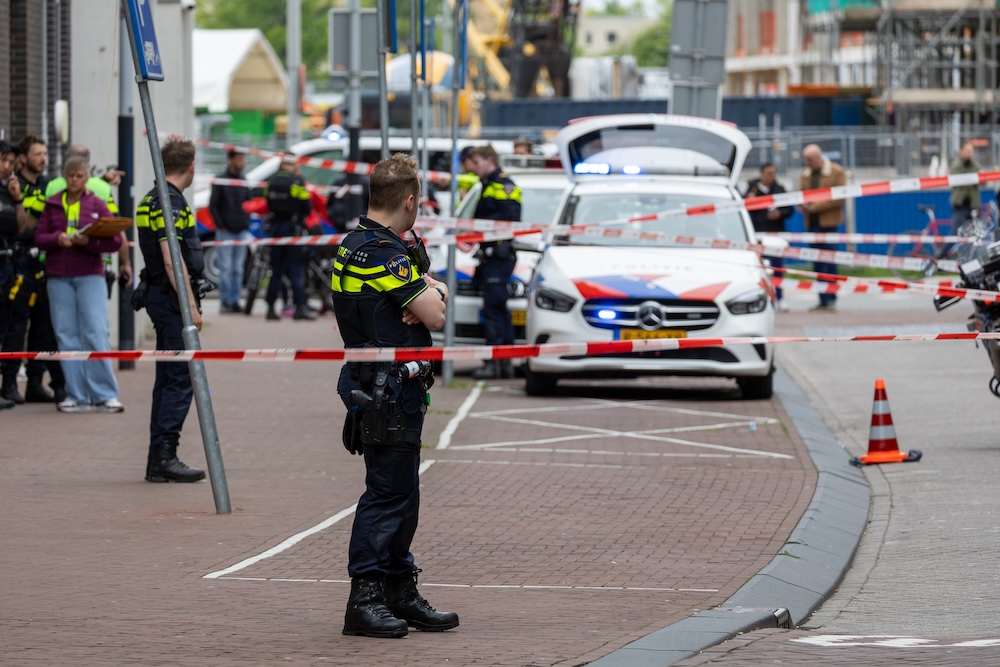
The discovery of the body was eventually made in the center of Amsterdam, prompting an immediate cordoning off of the area. The subsequent forensic sweep of the home provided the initial leads that eventually pointed toward the two teenage suspects. The police have not yet confirmed the exact date of death, but the April 27 timeline remains the primary point of reference for the investigation.
Legal Proceedings for Juvenile Suspects in the Netherlands
The arrest of minors in a suspected homicide case triggers the jurisdiction of the Dutch juvenile justice system. In the Netherlands, the legal approach for suspects aged 12 to 17 emphasizes a balance between accountability and rehabilitation. The 15-year-old and 17-year-old suspects will be processed through a system that differs significantly from the adult criminal court.
Juvenile suspects are typically brought before a children’s judge (kinderrechter), who oversees the investigation and determines the appropriate measures. These measures can range from community service and mandatory counseling to detention in a juvenile facility. However, in cases of extreme violence or homicide, the court has the authority to apply adult-like sanctions, although this is subject to rigorous judicial review based on the maturity and mental state of the minor.
The legal process will now move into a phase of interrogation and evidence gathering. The suspects’ legal representatives will be involved in all questioning to ensure that the rights of the minors are upheld. The prosecution must provide substantial evidence to link the teenagers to the death of Paul Wyber before the case can proceed to a formal trial.
For those seeking official updates on the progress of this case, the Dutch National Police (Politie) provides official press releases and public safety announcements regarding major criminal investigations in the Amsterdam region.
The next confirmed checkpoint in this case will be the determination by the investigating judge regarding the continued detention of the two suspects. Further updates are expected as the forensic results from the crime scene are finalized and the interrogation of the minors concludes.
We invite our readers to share their thoughts on this developing story in the comments section below and to share this article to keep the community informed.
Worth a look