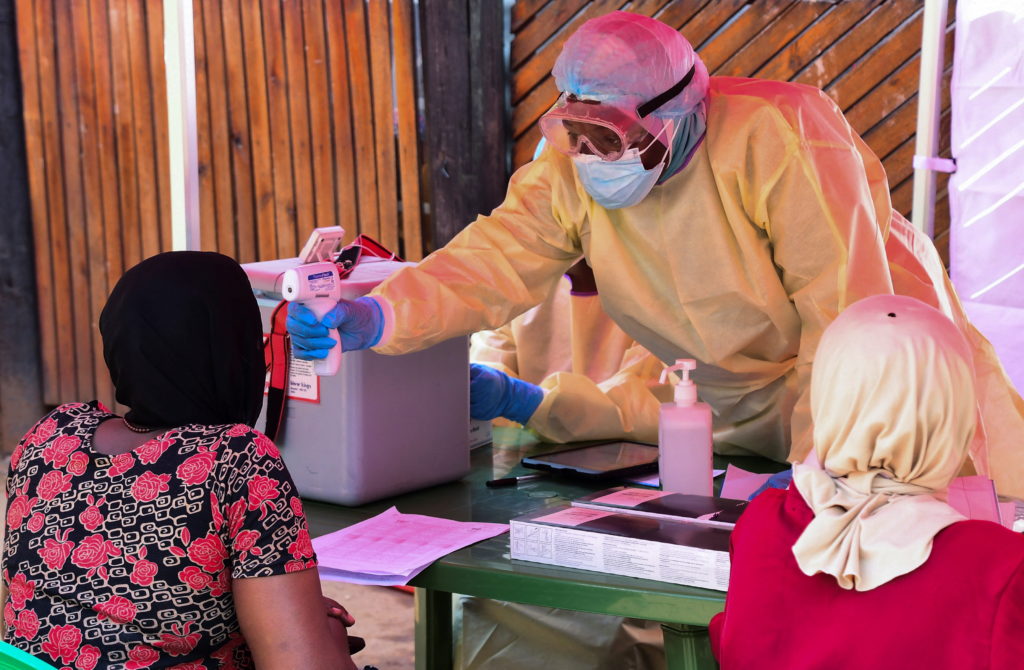
Uganda has confirmed a single Ebola case in Uganda involving a man from the neighboring Democratic Republic of Congo who died in the capital city of Kampala. Health officials reported that the patient was admitted to a hospital in the capital and passed away three days after his admission.
Government officials have categorized the case as “imported,” indicating that the individual contracted the virus outside of Uganda’s borders. At this time, health authorities have stated that there are no confirmed cases of local transmission within the country.
The confirmation triggers heightened surveillance protocols in the capital and along border regions. While a single imported case does not constitute a domestic outbreak, the presence of the virus in a high-density urban center like Kampala necessitates a rapid and coordinated public health response to prevent further spread.
Understanding the “Imported” Classification
In epidemiological terms, an “imported case” refers to an infection acquired in a different geographic location before the person enters a new area. This distinction is critical for public health officials because it determines the scale of the response. When a case is imported, the primary objective is to identify and monitor any “contacts”—people who were in close proximity to the patient—to ensure the virus does not begin spreading within the local community.
Because the patient was treated in a Kampala hospital, health teams are likely focusing their efforts on healthcare workers and other patients who may have been exposed. The goal is to break the chain of transmission before the virus can establish a foothold in the general population.
For more information on the characteristics of the virus and general prevention, the World Health Organization (WHO) provides comprehensive guidelines on Ebola virus disease, including symptoms and transmission risks.
Regional Health Risks and Border Surveillance
The movement of people between the Democratic Republic of Congo (DRC) and Uganda is frequent due to trade, family ties, and migration. This fluidity makes the region susceptible to the cross-border movement of infectious diseases. The DRC has historically dealt with multiple strains of the virus, making vigilance at entry points a permanent necessity for Ugandan health authorities.
The detection of this case underscores the importance of rigorous screening at borders and the ability of urban hospitals to quickly identify and isolate suspected cases. The fact that the case was identified and labeled as imported suggests that the existing surveillance systems are functioning, though the death of the patient highlights the severity of the disease.
Economic Implications of Health Emergencies
From a business and economic perspective, the confirmation of an Ebola case—even an imported one—can have immediate ripple effects on regional commerce. In previous instances of viral outbreaks in East Africa, there has been a documented tendency for trade volumes to fluctuate as neighboring countries implement stricter health screenings or temporary travel restrictions.
For a landlocked economy like Uganda’s, which relies heavily on the movement of goods and services across borders, maintaining a balance between public health security and economic openness is vital. Market stability depends on the government’s ability to communicate clearly and prevent panic, ensuring that trade corridors remain open while health risks are mitigated.
Business leaders and international investors typically monitor these developments to assess risk levels regarding supply chain disruptions and labor productivity. A swift, transparent response by the Ministry of Health is generally the most effective way to minimize economic volatility during such health events.
Public Health Guidance and Next Steps
While there is currently no evidence of local spread, health organizations recommend that the public remain vigilant. Ebola is transmitted through direct contact with the blood, secretions, organs, or other bodily fluids of infected people, as well as with surfaces and materials contaminated with these fluids.
Those seeking official updates on the situation should monitor announcements from the Uganda Ministry of Health or the WHO Uganda country office. These bodies provide the most accurate data regarding case counts, contact tracing progress, and any potential travel advisories.
The next confirmed checkpoint for this situation will be the release of the contact tracing report, which will determine if any secondary infections occurred during the patient’s three-day hospital stay in Kampala. We will continue to monitor official health bulletins for further updates.
Do you have questions about regional health protocols or the impact of health emergencies on East African trade? Share your thoughts in the comments below.