
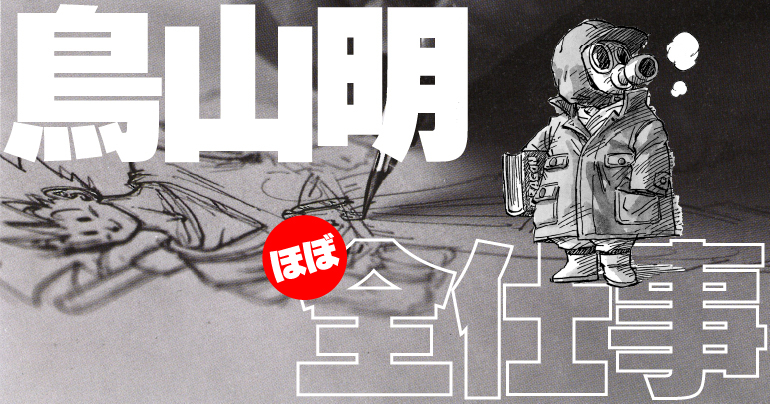
The enduring legacy of Akira Toriyama continues to resonate across the globe, transcending the boundaries of medium and geography. For millions, the creator of the legendary Dragon Ball series was more than a manga artist; he was an architect of modern imagination. In a poignant effort to preserve and showcase the sheer breadth of his creative output, the official Dragon Ball website has implemented a unique, time-sensitive digital retrospective titled “Akira Toriyama’s Almost All Works.”
This digital exhibition is not a static gallery but a living archive that demands the attention of the global community. By releasing content in a staggered, limited-window format, the curators have created a shared global event, inviting fans to return daily to rediscover the sketches, panels, and designs that defined a generation. For those following the updates, the current installation on May 16, 2026, marks another chapter in this comprehensive journey through Toriyama’s professional life.
As a journalist who has spent over a decade covering the peaks of human achievement in sports, I recognize a similar energy here. Much like a career retrospective of a legendary athlete, this archive is not just about the “greatest hits”—the iconic battles or the most famous characters—but about the process, the evolution of a craft, and the quiet moments of genius that happen behind the scenes. The “Almost All Works” project serves as a definitive testament to a man whose influence is felt from the streets of Tokyo to the stadiums of Europe and the Americas.
The Mechanics of an Ephemeral Archive
The “Akira Toriyama’s Almost All Works” series employs a strategy of scarcity and urgency that is characteristic of high-profile Japanese cultural releases. Rather than dumping an entire library of images into a single scrollable page, the official Dragon Ball Official Site has opted for a rhythmic release schedule. The content is updated every other day, with each new installment remaining visible for a strict 24-hour window.
This “24-hour limited” approach transforms the act of viewing art into a daily ritual. It forces the viewer to slow down and appreciate the specific pieces highlighted for that day, preventing the “scroll-fatigue” common in modern digital consumption. By resetting the gallery every 48 hours, the platform ensures that the community is discussing the same specific works simultaneously, fostering a global conversation among fans who are all experiencing the same curated glimpse into Toriyama’s mind at the same time.
This method of delivery mirrors the way manga was originally consumed—chapter by chapter, week by week, in anticipation of the next revelation. For the modern fan, this creates a sense of appointment viewing, turning a digital archive into a dynamic event. The precision of the schedule—with updates appearing on May 12, May 14, and May 16—demonstrates a disciplined curatorial effort to move through Toriyama’s massive body of work without overwhelming the audience.
Beyond Dragon Ball: The Full Spectrum of a Master
While the archive is hosted on the Dragon Ball official site, the title “Almost All Works” (ほぼ全仕事) signals an ambition that extends far beyond the adventures of Son Goku. Akira Toriyama’s versatility was one of his greatest strengths, and this retrospective aims to highlight the diverse facets of his career that may be less known to the casual viewer.
Central to this exploration is Toriyama’s early success with Dr. Slump, the whimsical series that first established his reputation for blending surreal humor with meticulous art. The archive allows fans to trace the evolution of his line work, from the rounded, gag-manga style of the early 1980s to the sharp, dynamic anatomy and cinematic pacing that would eventually define the “Z-era” of Dragon Ball. This transition is a masterclass in artistic growth, showing how a creator can maintain a distinct voice while radically evolving their technical skill.
the retrospective touches upon Toriyama’s significant contributions to the gaming world. His character designs for the Dragon Quest series are legendary, providing the visual identity for one of the most influential role-playing games in history. By including these designs, the exhibition reminds the public that Toriyama’s imagination was not confined to the page; he built entire worlds that millions of players have inhabited for decades. From the monstrous creatures to the heroic protagonists, his ability to synthesize “cute” and “formidable” remains an industry gold standard.
The Global Impact and Cultural Resonance
To understand why a digital gallery in 2026 continues to draw such massive interest, one must look at the cultural footprint Toriyama left behind. His work did not merely entertain; it established a visual language for action and power that has been adopted by countless artists and filmmakers worldwide. The concept of “powering up,” the dramatic use of speed lines, and the architecture of his futuristic cities have become universal symbols of energy and progress.
Interestingly, the influence of Toriyama’s work extends deeply into the world of professional sports. We see not uncommon to see elite athletes—from football stars in the Premier League to NBA players—wearing Dragon Ball apparel or citing Goku’s relentless pursuit of self-improvement as a source of motivation. The narrative of the “underdog” who surpasses all limits through hard work and discipline is a theme that resonates as strongly in a training gym as it does in a manga panel. This intersection of pop culture and athletic mindset is a testament to the universal truth embedded in Toriyama’s storytelling.
The passing of Akira Toriyama on March 1, 2024, left a void in the creative world, but it also sparked a global movement of gratitude. This archive is part of that larger movement. It is not merely a marketing tool for a franchise; it is a digital wake, a place where the world can gather to say thank you to a man who taught us that no matter how strong your opponent is, there is always a new level to reach.
Navigating the Digital Exhibition
For those wishing to participate in this retrospective, the process is straightforward but requires timing. Because the content is available for only 24 hours, missing a window means missing a specific set of works unless they are archived by the community elsewhere. To ensure you don’t miss an update, users are encouraged to bookmark the “Columns” section of the official site.
When visiting the site, look for the [鳥山明ほぼ全仕事] tags. The interface is designed to be clean and focused, allowing the artwork to take center stage. Given the high volume of global traffic, users may experience slow load times during the first few hours of a new release. The best strategy is to check the site shortly after the update goes live to secure a stable connection and enjoy the high-resolution renders of the artwork.
For the non-Japanese speaker, the visual nature of the exhibition makes it largely accessible. While the commentary may be in Japanese, the art speaks a universal language. The sketches, character sheets, and finished panels provide a visual narrative of Toriyama’s career that requires no translation. It is a pure experience of art and design, stripped of the noise of commercialism.
Key Takeaways for Fans and Collectors
- Update Frequency: New content is uploaded every other day.
- Viewing Window: Each update is available for exactly 24 hours before being replaced.
- Scope: The archive covers a wide range of work, including Dragon Ball, Dr. Slump, Sand Land, and Dragon Quest designs.
- Location: All updates are hosted exclusively on the official Dragon Ball website under the “Columns” section.
- Purpose: A posthumous celebration of Toriyama’s artistic legacy and a resource for studying his evolution as a mangaka.
What This Means for the Future of Manga Preservation
The “Almost All Works” project highlights a growing trend in how we preserve the legacies of great artists in the digital age. In the past, a retrospective would mean a physical museum exhibit—accessible only to those who could travel to a specific city. By utilizing a time-gated digital model, the publishers have democratized access to Toriyama’s art while maintaining the “event” feel of a gallery opening.

This approach also protects the intellectual property while allowing the public to engage with it. By controlling the flow of images, the official site prevents the archive from becoming a static repository that is easily scraped and repurposed without context. Instead, it remains a curated experience, guided by the people who knew Toriyama’s work best.
As we look forward, this model may become a blueprint for other legendary creators. The ability to blend archival preservation with interactive, time-based engagement keeps the artist’s spirit alive and relevant for newer generations. It ensures that the work is not just “stored” in a digital vault, but actively “experienced” by a living audience.
For those of us who have followed the trajectory of greatness—whether on the pitch or on the page—there is something profoundly moving about seeing a life’s work laid bare in this way. Akira Toriyama did not just draw characters; he drew the dreams of millions. This archive is the map of those dreams, one 24-hour window at a time.
The next scheduled update for the “Almost All Works” series is expected on May 18, 2026. Fans are encouraged to keep a close watch on the official portal to witness the next unveiling of Toriyama’s genius.
Do you have a favorite Akira Toriyama memory or a piece of artwork that changed how you see the world? Share your thoughts in the comments below and let us know which era of his work resonates with you the most.