
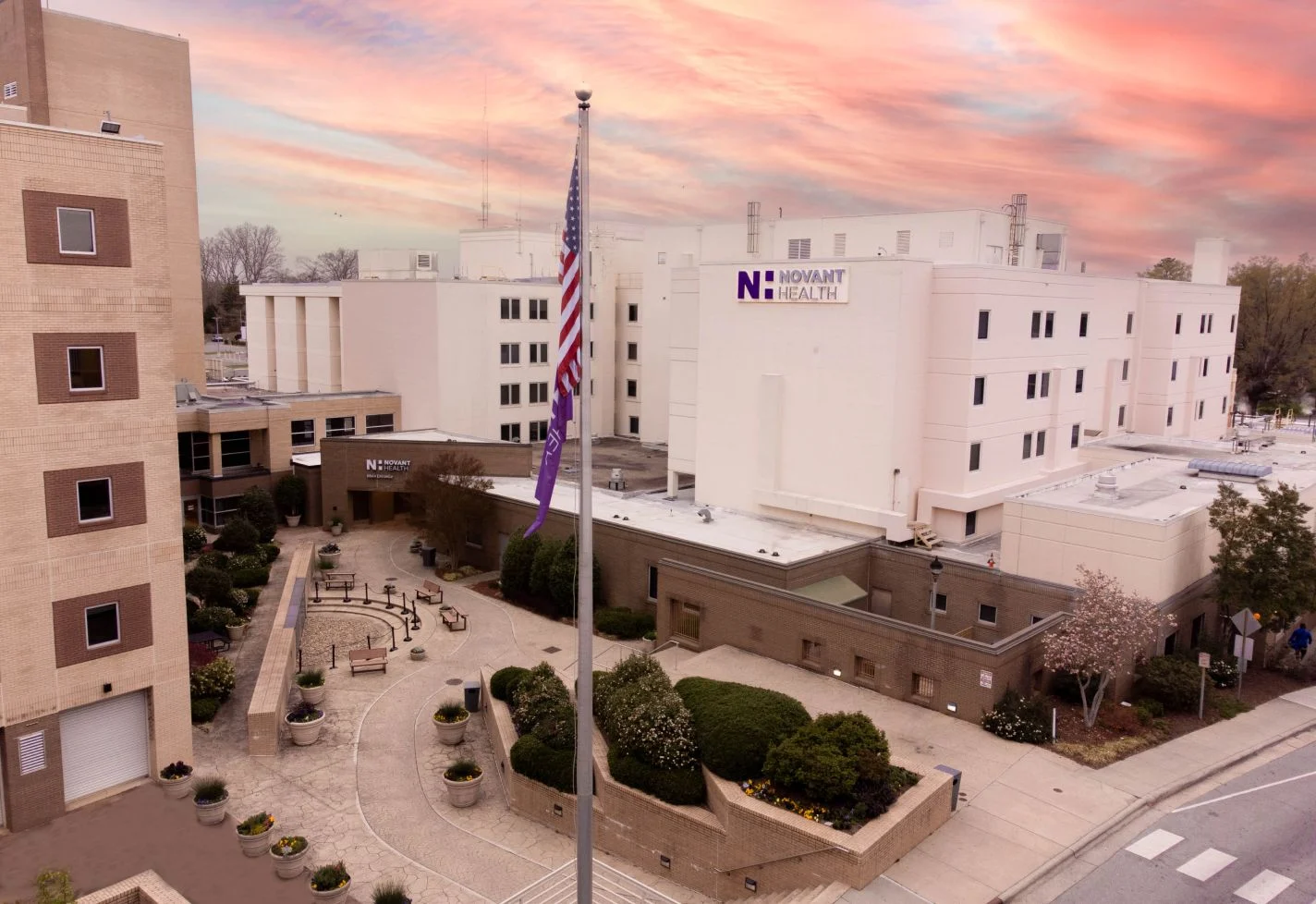
In the complex choreography of a modern hospital, the most critical movements often happen in the corridors. While surgeons and specialists receive the spotlight, the patient transport team serves as the invisible engine of the facility, ensuring that patients move safely and efficiently between emergency departments, radiology suites, and inpatient wards. When this logistical chain fails, the result is not just a delay in care, but a significant risk of injury to both the patient and the provider.
At Novant Health Rowan Medical Center in Salisbury, North Carolina, this essential service has been transformed into a benchmark for workplace safety. By integrating rigorous training with a leadership model rooted in frontline experience, the facility has managed to maintain a high-volume operation while virtually eliminating major workplace injuries.
The success of the patient transport team at Rowan Medical Center highlights a broader shift in healthcare policy: the recognition that “support services” are not merely administrative, but are clinical safety interventions. By focusing on body mechanics and a culture of accountability, the team has demonstrated that high operational throughput does not have to come at the cost of staff well-being.
The Logistics of Safety: High Volume, Low Risk
Patient transport is one of the most physically demanding roles in a healthcare setting. Transporters are tasked with moving patients of all sizes and mobility levels, often using heavy equipment like battery-powered beds and stretchers. According to reports from Crothall Healthcare, the service partner managing the team, the Rowan Medical Center transport staff completes over 68,000 trips annually.

Despite this immense volume, the team has achieved a remarkable safety record. Internal data indicates that the team has remained free of major injuries since January 2017 and has avoided “Red Rule” violations—non-negotiable safety mandates—for more than eight years. For a department handling tens of thousands of patient transfers, such a streak suggests a systemic commitment to safety rather than mere coincidence.
Regional Vice President Sam Olsen attributes this success to a “laser-focused” mission and high employee engagement. In the healthcare industry, where burnout and musculoskeletal injuries are endemic, maintaining an injury-free environment for nearly a decade is a significant operational achievement that directly impacts the hospital’s ability to provide seamless care.
Leadership from the Frontline: The Path to Director
A cornerstone of the Rowan model is the leadership approach of Patient Transport Director Brittney Livengood. Unlike many administrative leaders who enter management through external hiring or purely academic routes, Livengood’s trajectory was internal and incremental. She began her tenure as a transporter at Rowan in 2009, later progressing to Patient Flow Coordinator and completing a Manager-in-Training program before being named Director in 2018.
This “bottom-up” leadership style provides a critical advantage in healthcare safety. Because Livengood has performed the physical labor of patient transport, she possesses an intimate understanding of the ergonomic challenges and “near-miss” scenarios that frontline staff encounter daily. This experience allows her to communicate goals and safety initiatives in a language that resonates with her team, ensuring that safety protocols are viewed as practical tools rather than bureaucratic hurdles.
Olsen notes that this firsthand experience enables Livengood to synchronize department goals with the realities of the hospital floor, bridging the gap between executive leadership and the staff who execute the physical movement of patients.
The Science of Safe Handling and Training
The prevention of workplace injuries in patient transport relies heavily on the application of body mechanics—the efficient and safe use of the body to move objects or people. Improper lifting and twisting are the primary causes of lower back strains and long-term disability among healthcare workers, a concern echoed in safety guidelines provided by the Occupational Safety and Health Administration (OSHA).

To combat these risks, new associates at Rowan Medical Center undergo two weeks of intensive, hands-on training led by veteran team lead Velma Johnson, who has been with the team for 16 years. The training focuses on several critical safety pillars:
- Body Mechanics: Mastering safe transfer techniques to avoid spinal strain and muscle tears.
- PPE Compliance: Rigorous use of Personal Protective Equipment, particularly when transporting isolation patients to prevent the transmission of droplets or skin-contact illnesses.
- Special Needs Handling: Tailoring transport methods for patients with complex medical requirements or limited mobility.
- Collaborative Lifting: A culture where staff are encouraged to call for assistance rather than attempting to move a heavy or malfunctioning bed alone.
To ensure these standards do not slip over time, Director Livengood conducts monthly accompaniments with each transporter. These “ride-alongs” serve as real-time audits of lifting and transfer techniques, reinforcing the habit of safety in the heat of a busy shift.
Gamifying Safety: The Oxygen Olympics
One of the most innovative aspects of the Rowan Medical Center approach is the integration of gamification into safety training. The team participates in Novant Health’s annual “Oxygen Olympics,” a 10-day competition designed to sharpen the skills required for handling oxygen tanks and executing safe handoffs.
Oxygen management is a high-stakes responsibility; a failure to monitor tank levels or a mistake during a handoff can lead to patient hypoxia. Participants earn points by demonstrating the correct use of oxygen handoff tools and answering daily trivia regarding safety protocols. In the most recent competition, the top three winners—Velma Johnson, Maurice Harrison, and Tyler Solomon—were all members of the Patient Transport team.
The practical value of this training was recently highlighted when transporter Devon Stewart identified an oxygen tank alarm before transferring a patient from the Emergency Department. By alerting a nurse immediately, Stewart ensured the tank was replaced before the patient’s oxygen levels were compromised, demonstrating how “contest” skills translate directly into life-saving clinical vigilance.
The Clinical Impact of a Safety Culture
When a transport team operates with high precision and low injury rates, the benefits extend far beyond the staff. For the patient, a safe transport means a reduced risk of falls, skin tears, or respiratory distress during transit. For the hospital, it means fewer staff absences due to injury and a more efficient “patient flow,” which reduces wait times in the Emergency Department and increases bed turnover.

The leadership at Rowan Medical Center has recognized these contributions formally. In 2024, Brittney Livengood was awarded the Atlas award for Professional & Support Services, a distinction based on nominations from other department leaders. This recognition underscores the reality that the transport team is viewed not as a utility, but as a leadership hub within the hospital.
The Rowan Medical Center case study suggests that the “Culture of Safety” is not a static goal but a continuous process of training, accountability, and mutual support. By valuing the expertise of frontline workers and treating safety as a skill to be mastered and celebrated, the facility has created a sustainable model for healthcare logistics.
As healthcare systems globally grapple with staffing shortages and increasing patient acuity, the focus on the physical and psychological safety of support staff will be paramount. The success in Salisbury serves as a reminder that the highest standards of patient care are often built on the foundation of the safest workplace practices.
World Today Journal will continue to monitor healthcare safety innovations and leadership models in integrated networks. For official updates on patient safety standards, readers are encouraged to visit the official portals of national health regulators.
Do you believe gamification, like the “Oxygen Olympics,” is an effective way to improve clinical safety? Share your thoughts in the comments below or share this article with your healthcare colleagues.