Maintaining cardiovascular health often feels like a daunting task involving restrictive diets and rigorous lifestyle overhauls. However, for many, the most sustainable path to heart health lies not in drastic restriction, but in the strategic addition of nutrient-dense foods. Small, intentional choices—particularly regarding what we eat between meals—can significantly influence blood pressure and long-term arterial health.
As a physician and journalist, I have seen how the narrative around “superfoods” often veers into the realm of miracle cures. In reality, the science of cardiology emphasizes patterns over single ingredients. The goal is to reduce systemic inflammation, manage sodium intake, and support the endothelium—the thin membrane lining the inside of the heart and blood vessels—which regulates blood pressure and blood flow.
Integrating heart-healthy snacks for blood pressure management is an effective way to stabilize energy levels while providing the body with the essential minerals and fats required to keep the heart pumping efficiently. By focusing on foods rich in potassium, magnesium, and omega-3 fatty acids, individuals can naturally support their cardiovascular system and reduce the risk of hypertension.
Whether you are managing a diagnosed condition or simply looking to optimize your longevity, understanding the biochemical impact of your snacks can transform your approach to nutrition. From the vasodilatory effects of nitrates to the cholesterol-lowering properties of unsaturated fats, the following guide breaks down the most effective dietary additions for a healthier heart.
The Science of Heart-Healthy Snacking
Snacking is often viewed as a dietary weakness, but from a clinical perspective, it is an opportunity to deliver critical micronutrients to the body. When we choose snacks that are high in fiber and healthy fats, we prevent the blood sugar spikes that can lead to inflammation and arterial stiffness.
The gold standard for heart-healthy eating remains the DASH (Dietary Approaches to Stop Hypertension) diet. This eating plan emphasizes fruits, vegetables, whole grains, and lean proteins while limiting saturated fats and sodium. The synergy of these nutrients works to lower blood pressure and reduce the workload on the heart. According to the Mayo Clinic, the DASH diet is specifically designed to help treat or prevent high blood pressure without medication in some cases.

To implement this on a daily basis, cardiologists often recommend focusing on three simple, accessible snacks that provide a high density of cardiovascular benefits:
- Raw Walnuts and Almonds: These nuts are rich in alpha-linolenic acid (an omega-3 fatty acid) and monounsaturated fats. They help lower LDL (subpar) cholesterol and improve the elasticity of the arteries.
- Fresh Berries (Blueberries, Strawberries, Raspberries): Berries are packed with anthocyanins, antioxidants that have been shown to reduce blood pressure and improve endothelial function.
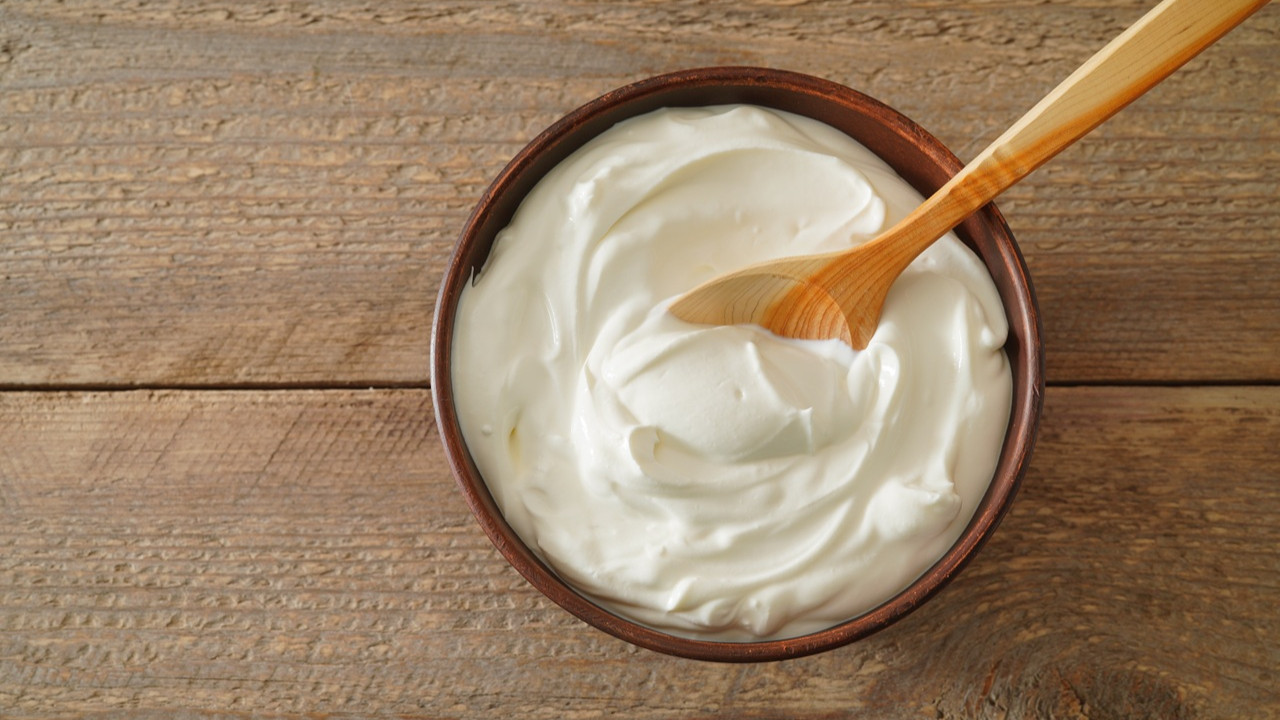
- Greek Yogurt with Flaxseeds: This combination provides a potent dose of potassium, calcium, and omega-3s. Potassium is crucial because it helps the body excrete excess sodium and eases tension in the blood vessel walls.
Vegetables and Blood Pressure: Separating Fact from Fiction
There is frequent discussion in popular media about “miracle” vegetables that can lower blood pressure almost instantly. It is important to be clear: while certain vegetables have a profound impact on blood pressure, they do not work as immediate replacements for emergency medical intervention or prescribed antihypertensive medications.
However, certain vegetables contain high levels of inorganic nitrates. When consumed, these nitrates are converted into nitric oxide in the body. Nitric oxide is a powerful vasodilator, meaning it relaxes and widens the blood vessels, which allows blood to flow more easily and lowers blood pressure.
Beets and leafy greens (such as spinach, kale, and arugula) are the most potent sources of these nitrates. Regular consumption of beet-based juices or salads has been linked to a measurable decrease in systolic blood pressure. This process is not “instant” in a clinical sense, but rather a physiological response that supports the vascular system over time.
Other vegetables, such as celery, contain phthalides, which are compounds that may help relax the tissues of the artery walls. While the effect is more subtle than that of nitrates, including a variety of these vegetables in a daily diet creates a cumulative protective effect against hypertension.
Protein Choices: Impact on Blood Pressure and Arterial Health
Not all proteins are created equal when it comes to the heart. The primary concern with protein consumption is the accompanying fat content—specifically saturated and trans fats—which can contribute to plaque buildup in the arteries (atherosclerosis).
When comparing protein sources for blood pressure management, plant-based proteins and omega-3-rich fish generally outperform red meats. Tofu and legumes (beans, lentils, chickpeas) are excellent choices because they are naturally low in saturated fat and high in fiber and potassium. Plant proteins do not contribute to the elevation of cholesterol levels in the same way that fatty meats do.
Fatty fish, such as salmon, mackerel, and sardines, provide a different but equally vital benefit. They are rich in EPA and DHA omega-3 fatty acids, which reduce triglycerides and lower inflammation in the cardiovascular system. The American Heart Association emphasizes the importance of incorporating these healthy fats to reduce the risk of heart failure and stroke.
In contrast, excessive consumption of red meats—particularly processed meats like sausages and deli cuts—is often linked to higher blood pressure. This is due to both the high saturated fat content and the extremely high levels of sodium used in curing and processing, which causes the body to retain fluid and increases pressure on the artery walls.
Practical Implementation for a Global Lifestyle
For those with demanding schedules, the challenge is often consistency rather than knowledge. The key to maintaining a heart-healthy diet is “frictionless” integration—making the healthy choice the easiest choice.
To transition toward these habits, consider the following practical steps:
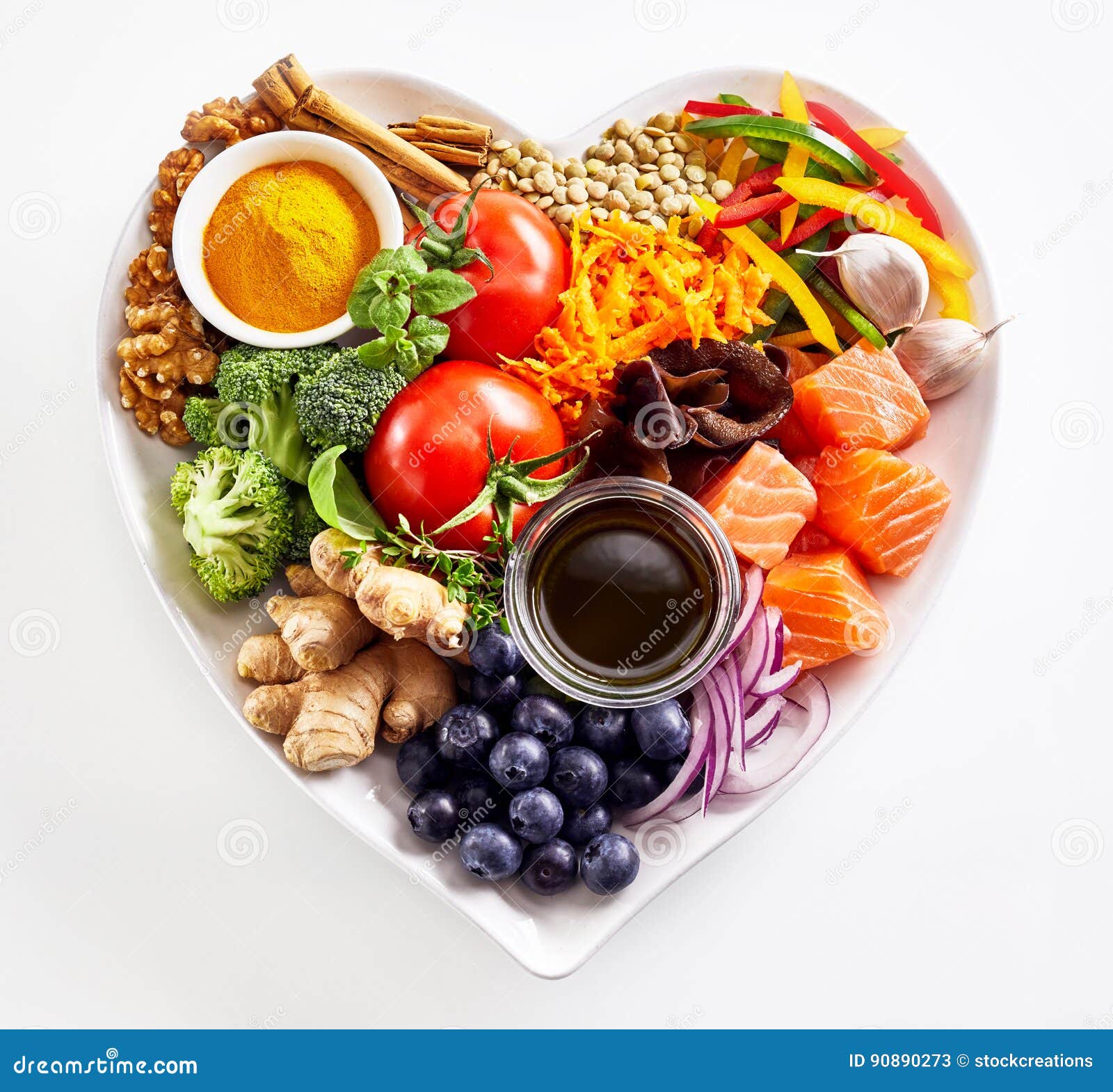
- Pre-portion your nuts: Divide walnuts or almonds into small containers for the week to avoid overeating, as nuts are calorie-dense.
- Smoothie Integration: Blend spinach, frozen berries, and a tablespoon of flaxseeds into a morning smoothie to get a concentrated dose of nitrates and antioxidants.
- The “Plate Rule”: Ensure that at least half of your lunch and dinner plates consist of nitrate-rich vegetables like beets, spinach, or steamed broccoli.
- Swap Your Protein: Try replacing red meat with tofu or grilled salmon at least three times a week to lower your intake of saturated fats.
It is also vital to monitor sodium intake. Even the healthiest snacks can become counterproductive if they are heavily salted. Opt for raw or unsalted versions of nuts and seeds to ensure the potassium can effectively balance the sodium in your system.
Key Takeaways for Cardiovascular Wellness
- Focus on Vasodilation: Eat nitrate-rich vegetables like beets and leafy greens to support the production of nitric oxide, which relaxes blood vessels.
- Prioritize Healthy Fats: Incorporate walnuts, flaxseeds, and fatty fish to lower inflammation and improve cholesterol profiles.
- Balance Electrolytes: Increase potassium intake through berries and yogurt to help the body manage and excrete excess sodium.
- Choose Lean Proteins: Shift toward plant-based proteins like tofu and legumes to reduce saturated fat intake.
- Avoid “Miracle” Claims: Use nutrition as a long-term management tool rather than a short-term fix; always consult a physician before changing medication.
The journey toward a healthier heart is a marathon, not a sprint. By replacing processed snacks with nutrient-dense alternatives and prioritizing plant-based proteins, you are providing your cardiovascular system with the raw materials it needs to function optimally.
As medical research continues to evolve, the fundamental principle remains: a diet rich in whole, unprocessed foods is the most powerful tool we have for preventing heart disease. The next step for those looking to optimize their health is to schedule a routine cardiovascular screening to establish a baseline for blood pressure and cholesterol levels.
Do you have a favorite heart-healthy snack or a dietary change that has improved your wellness? Share your experiences in the comments below or share this article with someone looking to improve their heart health.
- Rare Gene Promotes Muscle Growth and Fat Loss Effortlessly
- Can Gut Health Cure Insomnia? The Link Between Microbiome and Sleep
- NYU Langone Study Links Midlife Health Habits to Lower Dementia Risk (archyworldys.com)
- FIFA President Gianni Infantino Faces Growing Pressure and Controversy (world-today-news.com)