
The House Ethics Committee is facing a period of unprecedented pressure as lawmakers grapple with a growing backlog of misconduct allegations and mounting calls for structural reform. As the institution attempts to navigate the complexities of self-policing, a central debate has emerged: whether the committee requires a significant influx of resources to handle its workload or if the primary issue lies in a lack of institutional priority.
The challenge comes at a time when public scrutiny of congressional conduct is at an all-time high. With various investigations into sexual harassment, financial impropriety, and other breaches of House rules currently underway, the committee’s ability to move swiftly from allegation to resolution has become a focal point for both Republican and Democratic leadership. The tension between ensuring due process for accused members and providing timely accountability for constituents is driving a bipartisan push to overhaul how Congress manages internal discipline.
At the heart of the matter is a perceived bottleneck in the investigative process. Historically, the House Ethics Committee has been criticized for the length of time required to issue formal reports or disciplinary recommendations. These investigations can stretch across months or even years, a delay that critics argue undermines the committee’s effectiveness and erodes public trust in the legislative branch’s ability to hold its own members accountable.
The Resource Gap: Calls for Increased Investigative Capacity
Michael Guest (R-Miss.), the current Chairman of the House Committee on Ethics, has been vocal about the logistical hurdles facing the panel. According to recent reports, Guest has indicated that the committee is currently operating under significant strain due to the volume of matters requiring attention. To address this, he has advocated for increased resources to allow the committee to “move matters more quickly.”

One of the primary proposals being discussed involves a closer integration between the House Ethics Committee and the Office of Congressional Ethics (OCE). The OCE serves as an independent, non-partisan entity that conducts preliminary reviews of allegations and refers findings to the formal House Ethics Committee for further action. Guest has suggested that having closer access to the OCE’s staff and resources could streamline the transition from preliminary review to formal investigation, potentially reducing the time members spend in “investigative limbo.”
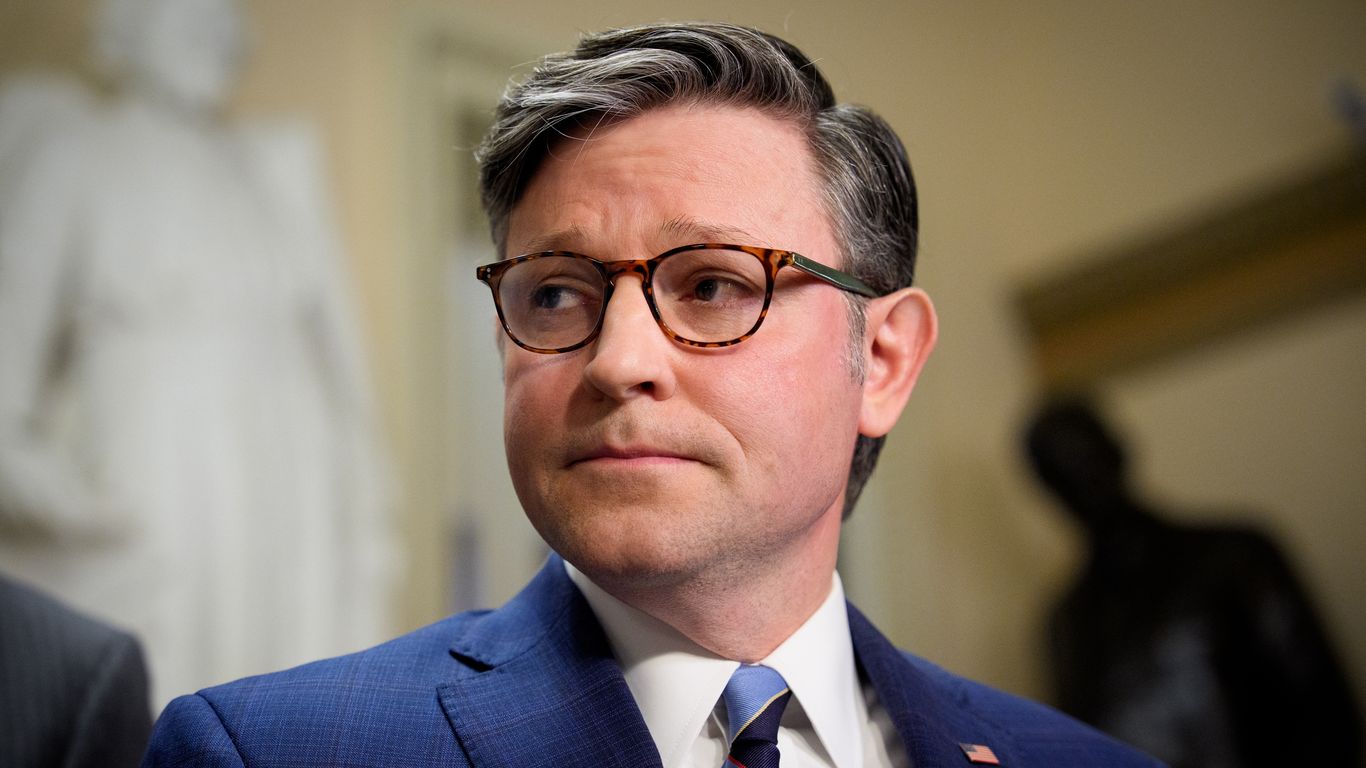
Speaker Mike Johnson (R-La.) has expressed support for ensuring the committee has the necessary tools to fulfill its mandate. “We’ll dedicate whatever resources are necessary to ensure the House Ethics Committee does its job as it should,” Johnson stated, noting that the committee must be equipped to handle the “allegations flying around” the Capitol. This support suggests that, at the highest levels of Republican leadership, there is an acknowledgment that the current investigative infrastructure may be insufficient for the modern volume of misconduct claims.
The Argument for Prioritization Over Expansion
Not all lawmakers agree that more funding and staff are the solution to the committee’s delays. A significant faction of the House argues that the issue is not one of capacity, but of focus. Critics of the resource expansion plan suggest that the committee can effectively manage its caseload by making misconduct investigations a higher institutional priority rather than requesting additional taxpayer-funded support.

This perspective emphasizes that the committee’s current staff is capable of performing the necessary work if the investigative processes are streamlined and more strictly managed. Opponents of increased funding argue that adding more resources may not solve the underlying procedural delays and could instead lead to administrative bloat without improving the speed of justice. They contend that the committee should focus on refining its existing workflows and ensuring that investigators are dedicated to resolving cases with greater urgency.
This debate highlights a fundamental disagreement over the nature of congressional oversight: whether the “slowness” of the committee is a structural failure requiring more manpower, or a procedural choice that requires better management and political will.
Structural Challenges and the “Resignation Loophole”
The effectiveness of the House Ethics Committee is often hampered by a recurring pattern in congressional discipline: the resignation of the accused. In many high-profile instances of misconduct, a member of Congress will resign from office before the committee can conclude its investigation and issue a final report. While a resignation removes the individual from the House, it often leaves the underlying allegations unresolved in the public record, effectively bypassing the formal disciplinary mechanisms designed to provide transparency.
This phenomenon creates a “loophole” where the committee’s investigative efforts, which can take a considerable amount of time, may ultimately result in no formal recommendation for censure or expulsion. This cycle has contributed to the growing frustration among reform advocates who argue that the committee needs more “teeth”—legal or procedural authority—to ensure that investigations reach a definitive conclusion, regardless of a member’s employment status.
The complexity of these investigations is also exacerbated by the high standard of evidence required for disciplinary actions. Because the committee must balance the rights of the accused with the need for public accountability, every step—from issuing subpoenas to conducting depositions—is subject to rigorous legal scrutiny. This inherent tension is a primary driver of the timeline extensions that characterize many congressional ethics probes.
Bipartisan Efforts to Modernize Oversight
Despite the disagreements over funding, there is a growing bipartisan consensus that the current system requires modernization. Leadership from both parties has signaled an interest in a “partnership” to overhaul how misconduct is handled, aiming to create a more predictable and efficient process.
The proposed reforms are expected to focus on several key areas:
- Streamlining the OCE-to-Ethics Pipeline: Improving the hand-off of information between the independent Office of Congressional Ethics and the formal House Committee.
- Standardizing Timelines: Establishing clearer benchmarks for how long different stages of an investigation should take to prevent cases from languishing for years.
- Enhanced Staffing Access: Providing the Ethics Committee with more specialized investigative and legal expertise to handle complex financial and sexual misconduct cases.
- Increased Transparency: Finding ways to provide more regular updates to the public during ongoing investigations without compromising the integrity of the probes.
As the political landscape shifts toward upcoming election cycles, the ability of Congress to police itself will likely remain a top priority for voters. For Democrats, revitalizing the committee is seen as a key platform issue for maintaining institutional integrity, while for Republicans, the focus remains on ensuring that investigations are conducted fairly and without partisan bias.
Key Takeaways: The State of House Ethics Reform
- Resource Debate: Chairman Michael Guest is advocating for more resources to speed up investigations, while some critics argue the committee should focus on better prioritization.
- Systemic Delays: The committee is frequently criticized for investigations that take months or years to resolve, leading to a loss of public confidence.
- The Resignation Issue: A significant number of misconduct cases end when members resign before the committee can issue formal findings.
- Bipartisan Interest: Both major parties recognize the need for reform, though they differ on whether the solution is more funding or better procedural management.
The next major checkpoint in this developing story will be the upcoming scheduled meetings of the bipartisan task force, where specific reform proposals are expected to be debated. Further updates will follow as the committee releases its next round of investigative reports or as the Office of Congressional Ethics publishes its quarterly findings.
What do you think? Should Congress increase funding for its ethics oversight, or is the problem one of management? Let us know in the comments below and share this article to join the conversation.