
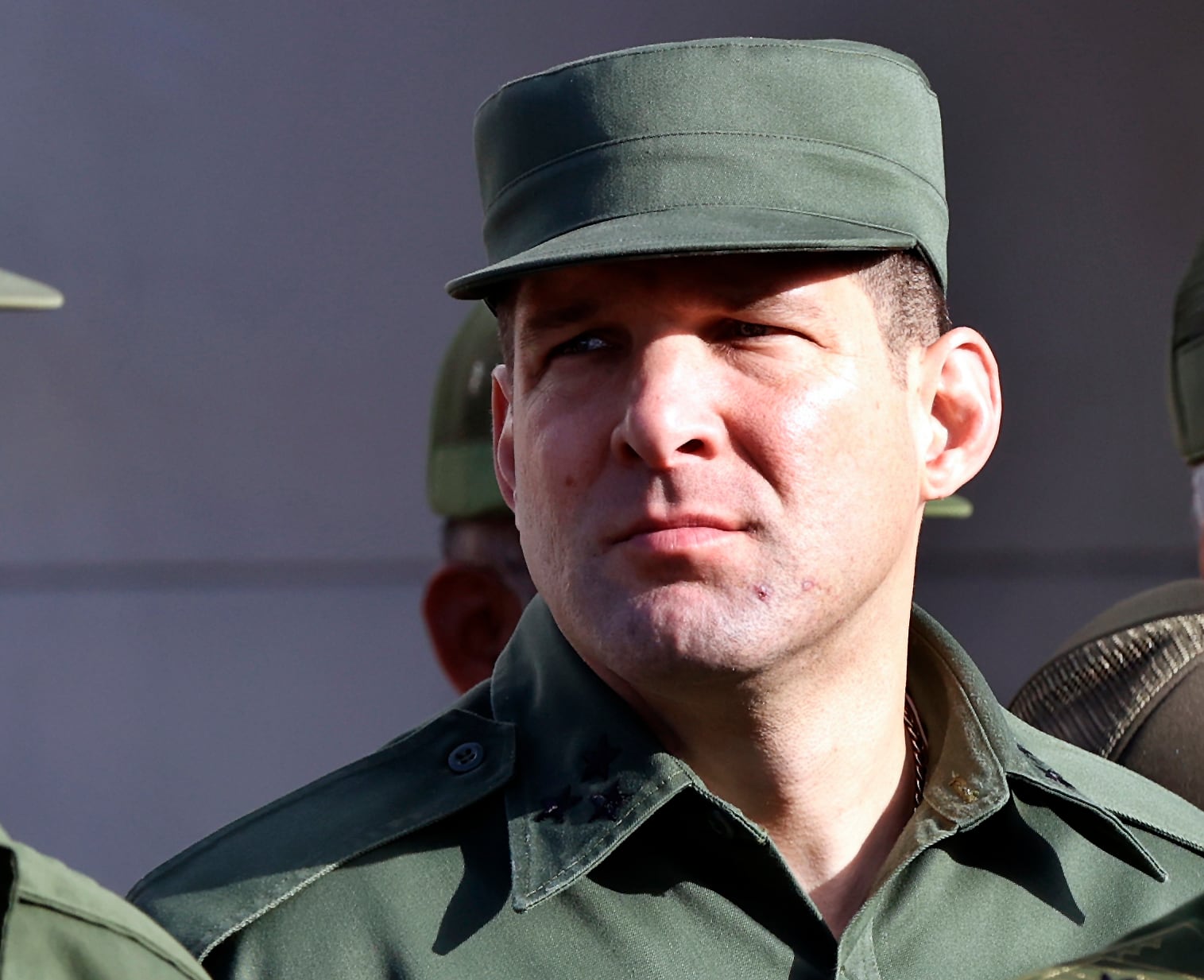
As the political landscape in Havana continues to undergo a profound and often opaque transition, international observers are increasingly turning their attention away from official state communiqués and toward the subtle shifts in proximity within the highest echelons of power. In a system where political capital is often measured by physical closeness to the center of authority, the emergence of new, less visible figures has become a focal point for those attempting to decode the future of the Cuban state.
Recent reports and observations from within the capital have highlighted the presence of a figure whose role appears to extend far beyond traditional security protocols. Identified in various accounts as Raúl Guillermo Rodríguez Castro, a man whose proximity to the former president Raúl Castro has become a constant in recent years, his presence is raising questions about the nature of influence and succession in a nation navigating a complex period of leadership change.
The discussion surrounding Rodríguez Castro—frequently referred to by the moniker “El Cangrejo” among certain circles—revolves not around official appointments or public policy declarations, but around the silent, constant presence he maintains at the side of one of the most significant figures in modern Cuban history. For those tracking the evolution of the Cuban leadership, this phenomenon represents a broader trend: the rise of a highly insulated inner circle that operates within the margins of the formal political structure.
The Mechanics of Proximity in Cuban Politics
To understand why the presence of a personal bodyguard or a family member like Raúl Guillermo Rodríguez Castro draws such scrutiny, one must first understand the historical context of personalist rule in Cuba. Throughout the tenure of the Castro brothers, power has often been concentrated within a tight-knit nucleus of trusted individuals, where personal loyalty frequently intersects with institutional duty.
In such environments, the “inner circle” serves as more than just a security detail; it acts as a gatekeeper. Observers have noted that in Havana, the person standing closest to the leader during high-stakes events—such as the annual May Day parades or significant diplomatic visits—can signal shifts in the prevailing power dynamics. The constant vigilance displayed by Rodríguez Castro during major state functions has led to speculation regarding the extent of his influence and his role in mediating access to the former president.
This dynamic is particularly relevant as Cuba continues to manage the complexities of its political transition. While the formal leadership has shifted, the shadow of the original revolutionary guard remains long, and the individuals who managed the personal affairs of the leadership often retain significant, albeit unofficial, weight in the country’s political trajectory. The nuances of this transition remain a subject of intense study for diplomats and political analysts alike.
Analyzing the “El Cangrejo” Phenomenon
The nickname “El Cangrejo” has become a shorthand in certain Havana social and political circles for the man often seen whispering in the ear of the former president. While the origins of the moniker are subject to various unverified accounts, the name itself has become synonymous with the perceived closeness between the individual and the elder Castro.
Reports from those close to the Cuban administration suggest that Rodríguez Castro’s role has evolved. Once viewed strictly through the lens of personal security, his presence at critical moments—including the historic visit of Pope Francis to the island—has led some to suggest he is part of a new generation of figures who are being positioned to safeguard the legacy of the revolution. This “guardianship” is seen by some not just as a physical duty, but as a symbolic one, aimed at ensuring continuity in a period of generational turnover.
However, it is essential to approach these reports with caution. In the absence of official government documentation regarding the specific political roles of family members or security personnel, much of what is understood about the influence of figures like Raúl Guillermo Rodríguez Castro remains based on observational analysis and anecdotal evidence. The lack of transparency inherent in the Cuban political system means that “soft power”—the power of proximity and personal trust—often remains the most significant, yet least documented, force in the country.
The Implications for Cuba’s International Relations
The shifting dynamics within the Cuban leadership do not exist in a vacuum; they have direct implications for how the international community, particularly the United States, engages with the island. The relationship between Washington and Havana has been characterized by periods of intense friction and tentative rapprochement, often dictated by the internal stability and the strategic direction of the Cuban leadership.

If the emergence of a new, highly insulated inner circle signifies a hardening of the existing political structure, it could impact the pace of future diplomatic negotiations. Conversely, if these figures represent a bridge to a more modernized or pragmatic approach to governance, the geopolitical landscape could shift in unexpected ways. The presence of individuals who are perceived to have a direct line to the old guard can complicate the efforts of foreign diplomats who must navigate both the formal state apparatus and the informal networks that truly drive decision-making.
As the world watches for signs of reform or stagnation, the movements of those within the inner circle—the whispers, the guarded entries, and the constant presence at the side of the leadership—will continue to be a vital, if unofficial, barometer for the future of the Cuban state.
Key Takeaways: Understanding the Cuban Power Structure
- The Role of Proximity: In personalist regimes, physical closeness to the leader is a primary indicator of political influence.
- Unverified Influence: Figures like Raúl Guillermo Rodríguez Castro operate in a space between official security roles and informal political influence.
- Generational Transition: The presence of younger family members in high-security roles may signal an attempt to ensure the long-term continuity of the revolutionary legacy.
- Information Gaps: The opaque nature of Cuban governance means that much of the political intelligence regarding the inner circle is based on observation rather than official record.
Frequently Asked Questions
Why is the presence of Raúl Guillermo Rodríguez Castro significant?
His significance lies in his constant proximity to Raúl Castro. In the Cuban political context, being part of the immediate personal circle of a leader can indicate a level of influence that transcends official titles.

What does the nickname “El Cangrejo” signify?
The nickname is used by observers and locals to identify the individual, often highlighting his distinctive presence and his role as a constant companion to the former president.
How does this affect US-Cuba relations?
The internal stability and the specific personalities within the Cuban leadership influence the direction of diplomatic engagement. A shift toward a more insulated or traditionalist inner circle can affect the predictability of Cuban foreign policy.
As of this writing, there are no scheduled official briefings regarding changes to the personal security or advisory staff of the former Cuban leadership. We will continue to monitor official state media and high-authority diplomatic reports for any formal developments regarding the Cuban political transition.
What are your thoughts on the shifting dynamics of power in the Caribbean? Do you believe personalist leadership structures are evolving or entrenching themselves? Share your analysis in the comments below and share this report with your network.