
New York City is currently playing host to a rare glimpse into the origins of one of the most influential figures in modern art. As part of the city’s vibrant New York Art Week, a landmark exhibition is shedding light on the formative years of Jean-Michel Basquiat, capturing the period before he became a global icon of the art market.
The exhibition, titled Our Friend, Jean: Early Works of Jean-Michel Basquiat, is currently on view at the Bishop Gallery in Brooklyn. Running from May 13 to May 17, 2026, the show offers a deeply personal exploration of the artist’s early trajectory, focusing on the transitional moment when Basquiat was moving from the streets of Lower Manhattan into the professional gallery circuit.
For many observers, Basquiat is defined by the astronomical prices his canvases now command at auction. However, this collection intentionally strips away the mythology of the “art star” to reveal a young man hustling between downtown apartments, creating art on any available surface. By centering on his early career, the exhibition provides critical context for how his signature blend of street art and neo-expressionism first coalesced.
The Adler Archive: An Intimate Portrait
A significant portion of the works on display originates from the private collection of Alexis Adler, who lived with Basquiat during a pivotal stretch from 1979 to 1980. This period was essential to Basquiat’s development, marking the bridge between his notoriety as a graffiti artist and his emergence as a painter.
Unlike the polished canvases found in major museums, the Adler archive includes pieces created on unconventional materials, including furniture and doors. These works document a raw, experimental phase of his career, showcasing the urgency and spontaneity that would later define his mature style. The intimacy of the collection is further enhanced by a series of rare photographs that capture Basquiat in his natural environment during these early years.
The historical importance of these records has already been recognized by major institutions. Some of the images from the Adler collection have been acquired by the Smithsonian’s National Museum of African American History and Culture, underscoring the role of Basquiat’s early life in the broader narrative of American cultural history.
From SAMO to the Gallery World
To understand the works at the Bishop Gallery, one must look back to the late 1970s, when Basquiat first gained notoriety as part of the graffiti duo known as SAMO. Alongside collaborator Al Diaz, Basquiat spent years tagging cryptic, poetic epigrams across the walls of Lower Manhattan, particularly in the Lower East Side.
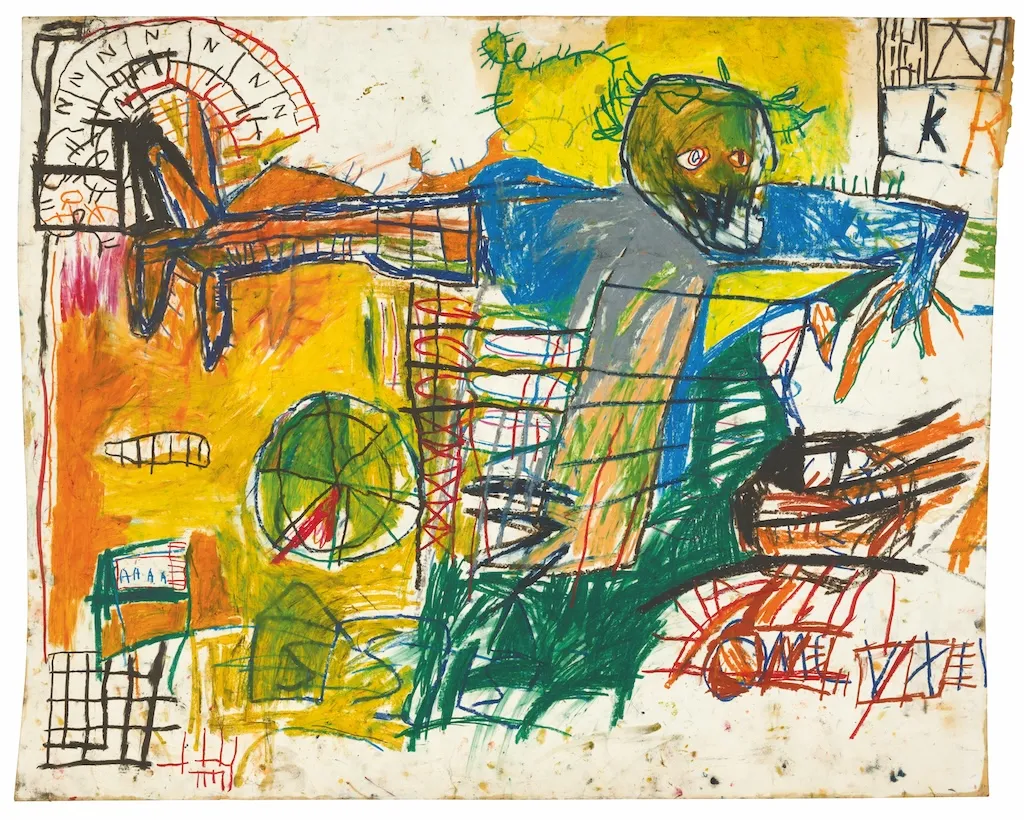
The SAMO project was more than simple graffiti; it was a conceptual critique of power, commerce, and the art world itself. These street interventions served as a public laboratory where Basquiat refined his ability to marry text with image, a technique that would later become a hallmark of his professional paintings. The current exhibition highlights this evolution, showing how the “enigmatic epigrams” of the street were translated into the complex, layered compositions of his early studio work.
This transition was rapid. By the early 1980s, Basquiat’s work was already attracting international attention, leading to milestones such as becoming one of the youngest artists to exhibit at the Whitney Biennial in New York and participating in Documenta in Kassel, Germany. The Brooklyn exhibition serves as a necessary reminder of the grit and instability that preceded this meteoric rise.
Why This Exhibition Matters Today
The focus on Basquiat’s early career is particularly relevant in today’s art landscape, where the line between street art and high art has almost entirely vanished. Basquiat was a pioneer of this collapse, proving that the energy of the urban environment could be channeled into a sophisticated visual language that addressed profound dichotomies: wealth versus poverty, integration versus segregation, and the internal versus external experience.
By presenting works from 1979 and 1980, Our Friend, Jean allows visitors to see the “electric” energy described by those who knew him—a raw, unrefined power that existed before the pressures of global fame. It emphasizes the importance of the “hustle,” reminding viewers that Basquiat’s success was not an overnight accident but the result of a relentless creative drive and a deep engagement with the cultural friction of New York City.
Key Exhibition Details
| Detail | Information |
|---|---|
| Venue | Bishop Gallery, Brooklyn, NY |
| Dates | May 13 – May 17, 2026 |
| Primary Collection | Alexis Adler Archive |
| Focus | Formative years (1979–1980) |
| Context | New York Art Week |
As the exhibition concludes its short run this weekend, it leaves a lasting impression of an artist who was always in motion. For those who have only seen Basquiat’s work through the lens of record-breaking auction results, this show provides a vital reconnection to the human being behind the mythology.
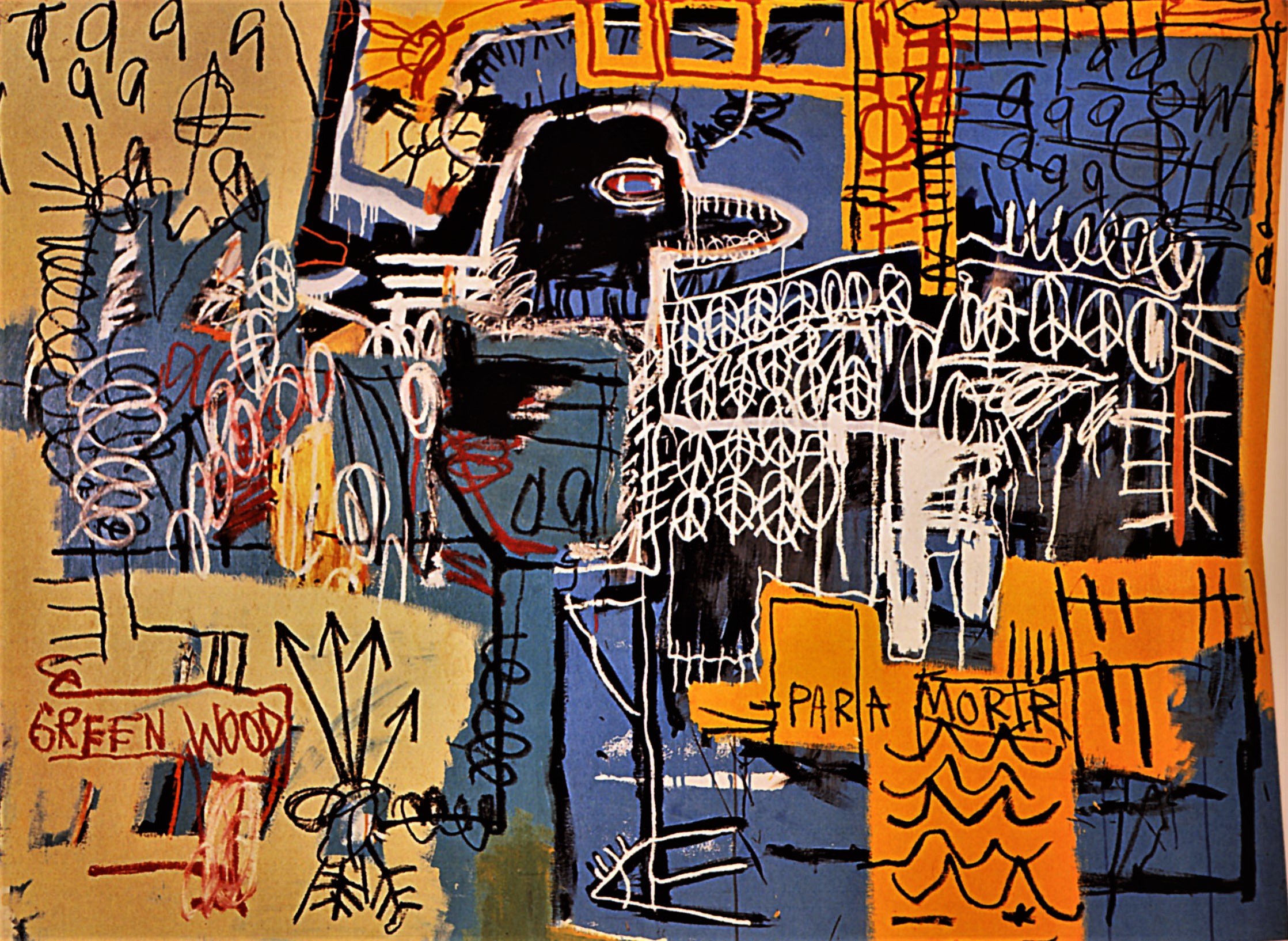
For more information on the legacy of the artist and current global exhibitions, visitors can refer to the Estate of Jean-Michel Basquiat.
The exhibition at Bishop Gallery officially closes on Sunday, May 17, 2026. We invite our readers to share their thoughts on the intersection of street art and gallery spaces in the comments below.
Keep reading