
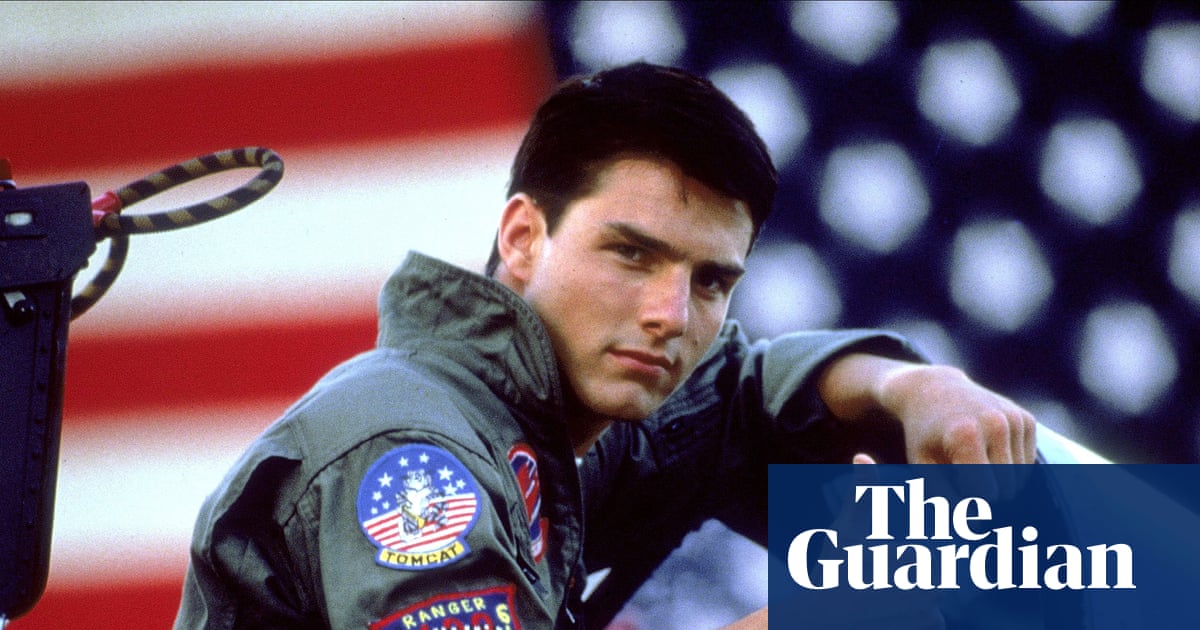
‘It looked like Star Wars on Earth’: The Making of Top Gun at 40
The roar of an F/A-18 Hornet engine is a sound that transcends the silver screen. For audiences since 1986, that thunderous crescendo has been synonymous with adrenaline, aviator sunglasses, and the high-stakes world of elite fighter pilots. As we approach the 40th anniversary of the cinematic phenomenon Top Gun, the film stands not just as a relic of 1980s excess, but as a masterclass in high-octane storytelling that redefined the action genre.
When the film first arrived in theaters, it felt like nothing else in the landscape of contemporary cinema. It possessed a kinetic energy that many critics at the time likened to a terrestrial version of the space battles found in Star Wars—a visceral, sweeping, and breathtakingly fast-paced experience that brought the viewer directly into the cockpit. This sense of immersion was no accident; it was the result of a perfect storm of visionary direction, intense physical dedication, and a groundbreaking collaboration with the United States Navy.
Decades later, the legacy of Pete “Maverick” Mitchell continues to soar. From its initial run as a box-office juggernaut to the massive success of its 2022 sequel, Top Gun: Maverick, the franchise has maintained a grip on the global imagination. To understand how this “action drama” became a pillar of film history, one must look back at the grit and determination required during its original production.
The Making of a Legend: From Script to Cockpit
The journey toward creating the definitive aerial action film was fraught with the kind of physical challenges that modern CGI-heavy productions rarely encounter. At the heart of this intensity was Tom Cruise, an actor whose commitment to realism would become his professional trademark. During the early stages of production, the goal was to move beyond the “staged” feel of traditional flight sequences, aiming instead for a documentary-style intimacy with the pilots.
One of the most enduring stories from the set involves Cruise’s initial introduction to the rigors of actual flight training. Screenwriter Jack Epps Jr. Has recalled the raw, unscripted moments that defined Cruise’s approach to the role. When the actor first arrived to meet the US Navy pilots, he was not yet the global icon he is today; he was a young performer eager to prove his mettle. Epps noted that the pilots, unaware of Cruise’s burgeoning stardom, decided to give him a true taste of the “need for speed.”
During these high-G maneuvers, the physical toll on the actor was immediate. According to Epps, the intense shaking and pressure of the flight caused Cruise to experience significant physical distress, even resulting in him vomiting during the session. However, rather than being deterred by the ordeal, Cruise’s reaction was one of immediate fascination. He reportedly emerged from the cockpit expressing a profound love for the experience, signaling to the production team that he was fully committed to the visceral reality of the role. This moment of grit effectively cemented his place as the face of the franchise.
Realism in Flight: The US Navy Connection
A significant factor in the film’s enduring visual impact was the unprecedented level of cooperation provided by the United States Navy. Unlike many films that rely on miniatures or early digital effects, Top Gun utilized real aircraft and actual naval environments. This partnership allowed the production to capture the terrifying beauty of carrier landings and the lightning-fast maneuvers of dogfighting.
The director, Tony Scott, utilized a visual style characterized by high contrast, saturated colors, and a restless camera that mirrored the speed of the jets. This aesthetic helped bridge the gap between a standard military drama and a stylized action epic. By filming in and around NAS Miramar and utilizing actual F/A-18 Hornet footage, the production achieved a level of authenticity that remains impressive even by modern standards.
This collaboration had real-world implications beyond the film’s aesthetic. The movie’s release is widely credited with sparking a significant surge in interest in naval aviation, leading to a notable increase in recruitment for the US Navy in the late 1980s. The film did not just depict a lifestyle; it romanticized the precision and bravery of the aviator, creating a cultural imprint that lasted long after the credits rolled.
A Cinematic Phenomenon: Impact and Box Office
The financial success of Top Gun was nothing short of transformative for Paramount Pictures and the career of producer Jerry Bruckheimer. Released in May 1986, the film became an instant sensation, dominating the global box office and becoming one of the highest-grossing films of the year.
While exact figures from the era can vary slightly by source, the film’s impact is undeniable. According to Box Office Mojo, the film earned hundreds of millions of dollars during its original theatrical run, solidifying its status as a blockbuster. This commercial triumph provided the momentum for the “high-concept” action films that would dominate the late 80s and early 90s, characterized by larger-than-life characters and spectacular practical effects.
Beyond the numbers, the film’s cultural footprint was expanded by its iconic soundtrack. The blend of synth-heavy scores and anthemic rock tracks—most notably the work of Harold Faltermeyer and Kenny Loggins—became as much a part of the Top Gun identity as the aircraft themselves. The music served to heighten the emotional stakes, turning every aerial maneuver into a choreographed dance of sound and fury.
Key Takeaways: The Top Gun Legacy
| Category | Details |
|---|---|
| Original Release | May 16, 1986 |
| Director | Tony Scott |
| Lead Actor | Tom Cruise |
| Primary Genre | Action / Drama |
| Key Production Element | US Navy Collaboration |
The Legacy of Maverick: From 1986 to Today
The true test of a film’s longevity is its ability to evolve. For Top Gun, that test arrived with the 2022 release of Top Gun: Maverick. While many legacy sequels struggle to find their footing, the return of Pete Mitchell was met with near-universal acclaim, proving that the core elements of the original—the tension, the flying, and the character-driven stakes—remained potent.
The sequel managed to replicate the practical stunt work that made the original famous, once again prioritizing real flight over heavy digital augmentation. This commitment to “old school” filmmaking has become a hallmark of the franchise, appealing to both nostalgic original fans and a new generation of viewers who crave the weight and reality of practical cinema.
As we look toward the 40th anniversary, Top Gun remains a benchmark for how to marry technical spectacle with human emotion. This proves a film that captured a specific moment in time—the height of the Cold War era and the peak of 80s cinematic bravado—while creating a timeless archetype in the character of Maverick. Whether through the lens of its groundbreaking cinematography or the sheer willpower of its lead actor, the making of Top Gun remains one of the most significant chapters in modern film history.
As the industry prepares for various 40th-anniversary tributes and potential high-definition re-releases, fans can look forward to upcoming official announcements regarding commemorative screenings and collector’s editions.
What is your favorite memory of watching Top Gun? Does the original still hold up for you? Share your thoughts in the comments below and share this article with your fellow cinephiles!