
For years, the “mute” button was a hurdle for digital marketers. The industry viewed the silent autoplay of social media feeds as a barrier to be overcome, primarily through the aggressive addition of subtitles or urgent “sound on” prompts. However, as we navigate the midpoint of 2026, a significant strategic pivot has occurred. Leading global brands are no longer treating silence as a limitation, but as a sophisticated tool for communication.
This shift toward silent video marketing—the deliberate creation of high-impact brand content with little to no dialogue—represents a fundamental change in how companies signal value to a global audience. By stripping away the auditory narrative, brands are discovering that visual storytelling can often convey a more powerful, inclusive, and premium message than a scripted voiceover ever could.
From an economic perspective, this evolution is driven by the pursuit of scalability. When a brand removes the reliance on a specific language or voice, it eliminates the friction of localization. A silent video does not need to be dubbed or translated to be understood in Tokyo, Paris, or New York; it relies on the universal language of human emotion and visual cues, drastically reducing the cost of global distribution while increasing the speed of market penetration.
The Psychology of the “Mute-First” Paradigm
The rise of silent video marketing is a direct response to the “silent scroll,” a behavioral norm where users consume content in environments—public transport, offices, or shared living spaces—where audio is socially intrusive. In 2026, the “mute-first” approach acknowledges that the primary point of engagement is visual. When a video is designed to be understood without sound, it respects the user’s environment and reduces the cognitive load required to process the message.
This design philosophy prioritizes “visual clarity” over “auditory explanation.” Instead of telling the viewer what a product does through a narrator, brands are using cinematic pacing, color theory, and intentional movement to show the benefit. This approach leverages the brain’s ability to process images faster than text or speech, creating an immediate emotional connection that transcends the need for verbal confirmation.
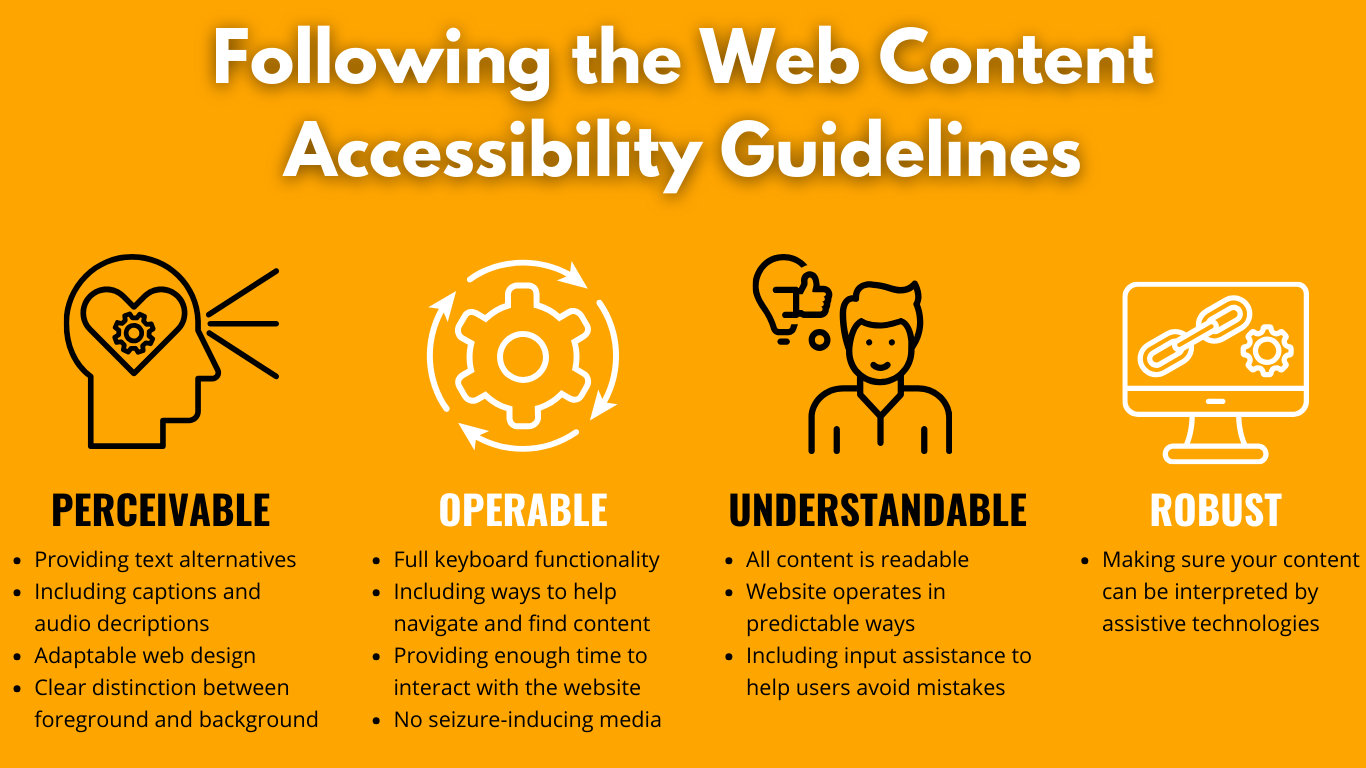
the integration of accessibility standards has moved from a compliance requirement to a creative catalyst. The widespread adoption of the Web Content Accessibility Guidelines (WCAG) has normalized the use of open captions and visual descriptors, ensuring that content is accessible to the deaf and hard-of-hearing communities while simultaneously enhancing the experience for the general population of silent viewers.
Removing Dialogue as a Premium Brand Signal
One of the most intriguing developments in current marketing strategy is the use of silence as a “status signal.” In a digital landscape saturated with loud, fast-paced, and high-energy content—typified by the “hyper-edit” style of early short-form video—silence has become a marker of confidence and luxury.

When a brand removes the voiceover, it stops “selling” in the traditional sense. It ceases to explain why the product is superior and instead allows the quality of the imagery and the strength of the brand identity to speak for themselves. This creates a psychological shift in the viewer: the brand is no longer pleading for attention; it is commanding it through poise and minimalism.
This “less is more” approach is particularly effective for high-end luxury goods, sustainable architecture, and minimalist technology. By utilizing atmospheric soundscapes—such as the rhythmic sound of a product being used or the ambient noise of a setting—rather than a spoken script, brands create a sensory experience that feels authentic rather than manufactured. This authenticity is a critical currency in 2026, as consumers increasingly recoil from overly polished, “salesy” corporate narratives.
Global Scalability and the End of Language Barriers
For the modern multinational corporation, the primary challenge of video marketing has always been the “localization trap.” Traditionally, a campaign produced in English would require expensive dubbing or subtitling for every target market, often losing the nuance, tone, and emotional resonance of the original piece in translation.
Silent video marketing solves this by utilizing a universal visual lexicon. By focusing on human expressions, cultural archetypes, and clear product demonstrations, brands can launch a single asset globally. This not only streamlines the production budget but also ensures a consistent brand image across all territories. The message remains identical whether it is viewed in London or Seoul, preventing the “brand dilution” that often occurs when local agencies reinterpret a global campaign.
This strategy is particularly potent in the era of short-form dominance. As platforms continue to prioritize rapid-fire content consumption, the ability to convey a complete brand story in 15 to 60 seconds without requiring the user to engage their audio is a competitive advantage. The most successful campaigns of 2026 are those that treat the visual frame as the primary canvas, using text overlays only to anchor the key value proposition.
Key Strategies for Effective Silent Storytelling
To successfully transition to a silent-first strategy, brands are adopting several core technical and creative pillars:
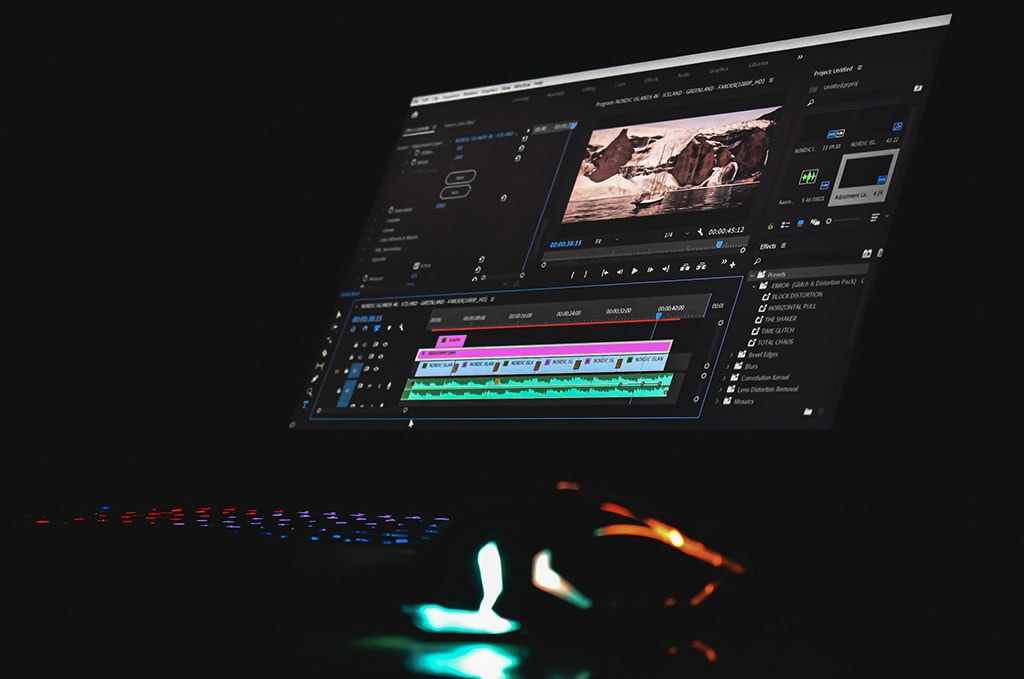
- Exaggerated Visual Cues: Since there is no audio to provide context, brands are using more deliberate camera movements, close-ups, and lighting shifts to guide the viewer’s attention to the most key part of the frame.
- Rhythmic Editing: The “beat” of the video is now driven by visual cuts and atmospheric sound effects (ASMR) rather than the cadence of a speaking voice, creating a hypnotic effect that increases watch time.
- Integrated Typography: Text is no longer an afterthought in the form of subtitles; it is integrated into the scene as a design element, using bold, readable fonts that complement the brand’s visual identity.
- Emotional Anchoring: A heavier reliance on human facial expressions and body language to communicate trust, joy, or relief, which are emotions that translate across all cultures.
The Future of Non-Verbal Brand Communication
As we look toward the latter half of the decade, the trend toward silent marketing is likely to merge with augmented reality (AR) and immersive commerce. In these environments, the “narrative” is driven by user interaction rather than a linear script. The brands that have already mastered the art of silent, visual-first communication will be best positioned to transition into these spaces, as they have already learned how to convey value without relying on a narrator.
The move toward silence is not an abandonment of storytelling, but a refinement of it. It is a recognition that in an age of infinite noise, the most powerful way to be heard is sometimes to stop talking.
The next major benchmark for the industry will be the release of the 2026 Global Digital Consumption Report, expected in Q3, which will provide updated data on the correlation between mute-first content and conversion rates across emerging markets.
Do you believe the trend toward silent marketing enhances brand prestige, or does it risk losing the personal touch of a human voice? Share your thoughts in the comments below.