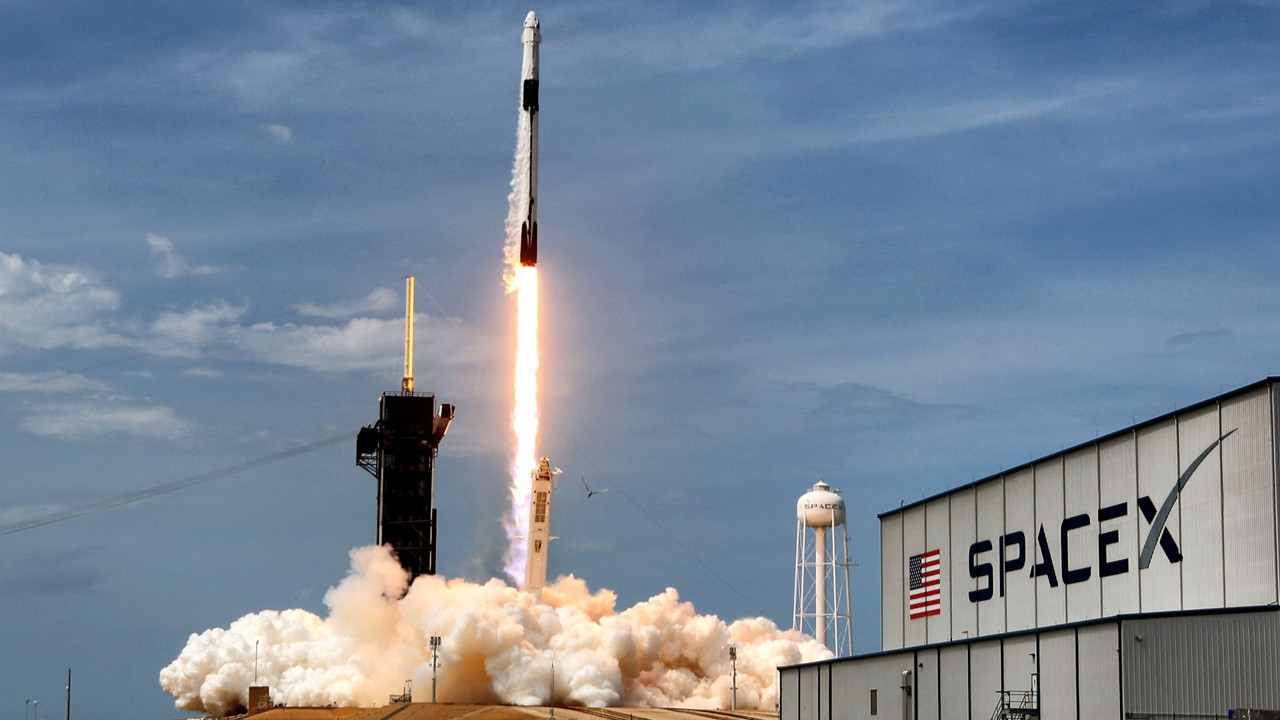
For years, the financial world has treated a potential SpaceX public offering as the “holy grail” of the aerospace and technology sectors. As one of the most successful private companies in history, the rocket manufacturer and satellite operator has managed to scale its operations to an unprecedented level while avoiding the scrutiny and short-term pressure of quarterly earnings reports.
Recent market chatter has intensified regarding the company’s readiness to transition to the public markets. While SpaceX has not officially filed a registration statement with the U.S. Securities and Exchange Commission (SEC), reports have begun to circulate concerning a potential listing on the Nasdaq. The speculation centers not only on the timing of such a move but on a valuation that could potentially push the company into the trillion-dollar club, placing it among the most valuable entities on the planet.
As a financial journalist who has tracked the intersection of entrepreneurship and economic policy for nearly two decades, I view this potential transition as more than just a liquidity event for early investors. It represents a pivotal moment for the commercial space economy. A public SpaceX would not only signal the maturity of the launch industry but would likely create a massive ripple effect across the global aerospace and telecommunications markets.
The Trillion-Dollar Question: Analyzing the Valuation
The figures currently being discussed in trading circles are staggering. Some reports suggest a valuation reaching as high as $1.75 trillion, a number that would place SpaceX in the same league as the world’s largest tech giants. While this figure remains unconfirmed by official company filings, it reflects the immense perceived value of SpaceX’s diversified portfolio—specifically the synergy between its Falcon 9 launch capabilities, the Starship development program, and the Starlink satellite constellation.
To understand how such a valuation is possible, one must look at the company’s dominance in the launch market. SpaceX has effectively monopolized low-Earth orbit (LEO) transport, drastically reducing the cost per kilogram to reach space through reusable rocket technology. This operational efficiency creates a high-margin business model that is highly attractive to institutional investors. The company’s ability to secure high-value contracts with NASA and the U.S. Department of Defense provides a stable revenue floor that few other aerospace firms can match.
However, a trillion-dollar valuation requires more than just launch success; it requires a scalable software-like revenue stream. This is where Starlink becomes the primary driver of value. By providing global high-speed internet, SpaceX is transitioning from a transportation company to a global telecommunications provider. The potential for recurring monthly subscription revenue from millions of users worldwide is what justifies a “tech multiplier” rather than a traditional “industrial multiplier” in its valuation.
The Starlink Catalyst and the Spinoff Strategy
A recurring theme in the discourse surrounding a SpaceX IPO is whether the company will go public as a single entity or if Starlink will be spun off into a separate public company. This strategy would allow SpaceX to maintain its private status for its highly experimental and high-risk Starship program, while allowing investors to bet specifically on the commercial success of the satellite internet business.
A Starlink spinoff would solve a significant tension within the company’s current structure. The capital expenditures required to maintain and expand the Starlink constellation are immense, often competing for resources with the development of Mars-bound hardware. By creating a separate public entity, Starlink could raise its own capital through equity markets, reducing the financial burden on the parent company and providing a clear valuation benchmark for the satellite internet sector.
From an economic policy perspective, a public Starlink would also face increased regulatory scrutiny. As a global utility providing internet access, the company would be subject to more transparent reporting regarding its impact on astronomical research and its compliance with international spectrum allocations. For investors, this transparency is a prerequisite for the kind of massive capital infusion required to achieve total global coverage.
Market Implications: Nasdaq and the Space Economy
If SpaceX chooses the Nasdaq for its listing, it would likely be a strategic move to align itself with the technology-heavy Nasdaq-100 index. Such a move would attract a different class of investors compared to the New York Stock Exchange, focusing more on growth, innovation, and future disruption than on current dividends.
The entry of SpaceX into the public market would likely trigger a “space race” among retail and institutional investors, potentially boosting the valuations of smaller aerospace firms and satellite startups. We would likely see a surge in capital flowing toward “Space 2.0” companies—those focusing on orbital manufacturing, asteroid mining, and space tourism. The “SpaceX Effect” would essentially validate the commercial viability of the orbital economy, turning space from a government-funded venture into a legitimate asset class.
However, the transition to public ownership carries inherent risks. Elon Musk’s leadership style—characterized by aggressive timelines and a willingness to iterate through failure—often clashes with the risk-aversion of public shareholders. The pressure to meet quarterly expectations could potentially stifle the long-term, high-risk experimentation that has allowed SpaceX to innovate so rapidly. The company would need to implement a corporate governance structure that protects its visionary goals while satisfying the fiduciary duties owed to public shareholders.
Key Considerations for Potential Investors
For those tracking the potential IPO, several critical factors will determine the stock’s long-term performance:

- Starship Operationality: The successful and routine operation of Starship is the key to unlocking deep-space commerce and significantly lowering launch costs further.
- Regulatory Environment: Changes in FCC regulations or international treaties regarding space debris and satellite orbits could impact Starlink’s growth.
- Government Dependency: While NASA contracts are lucrative, a shift in U.S. Space policy or budget cuts could impact the company’s primary revenue streams.
- Competition: The rise of competitors like Blue Origin and the expansion of state-led space programs (such as those in China) may challenge SpaceX’s current market dominance.
Investors should look for the official S-1 filing, which will provide the first verified look at the company’s balance sheet, debt obligations, and actual revenue growth. Until such a document is public, any valuation remains speculative, based on secondary market trades of employee shares rather than audited financial statements.
The prospect of a SpaceX IPO is more than a financial event; it is a signal that the human economy is expanding beyond the confines of Earth. Whether the company lists this year or remains private for several more, its trajectory has already fundamentally altered the economics of the heavens.
We will continue to monitor the SEC filings and official company announcements for any confirmed dates or pricing details. As soon as the official prospectus is released, we will provide a deep-dive analysis of the company’s financials.
What are your thoughts on a potential SpaceX listing? Do you believe the company is better off remaining private to pursue its Mars ambitions, or is it time for the public to share in the growth of the space economy? Share your views in the comments below.