Istanbul, a metropolis defined by its breathtaking geography and historical depth, faces a persistent and formidable challenge: the constant threat of seismic activity. In a city where millions depend on a robust healthcare system, the ability of hospitals to remain operational during and after a major earthquake is not merely a matter of infrastructure—it is a matter of survival.
To address this vulnerability, the Turkish government has moved forward with a strategic proposal to modernize its healthcare infrastructure. The centerpiece of this effort is the sustainable and disaster-resilient hospitals in Istanbul initiative, specifically focusing on the Bakırköy Health Campus. By integrating cutting-edge seismic engineering with environmental sustainability, the project aims to ensure that critical care remains uninterrupted even during the most extreme climate or geological events.
The project is currently in its proposal stage, seeking significant international backing to transform the existing medical facilities into a model of resilience. At the heart of the plan is a proposed funding request of USD 344 million from the Asian Infrastructure Investment Bank (AIIB), reflecting the scale of the investment required to meet modern safety and environmental standards.
Fortifying the Bakırköy Health Campus
The primary objective of the initiative is to strengthen the resilience of health services at the Bakırköy Health Campus. For a city like Istanbul, the “resilience” of a hospital refers to its capacity to withstand a disaster without structural failure and to continue providing life-saving services without interruption. This requires a total reimagining of how these facilities are built and operated.

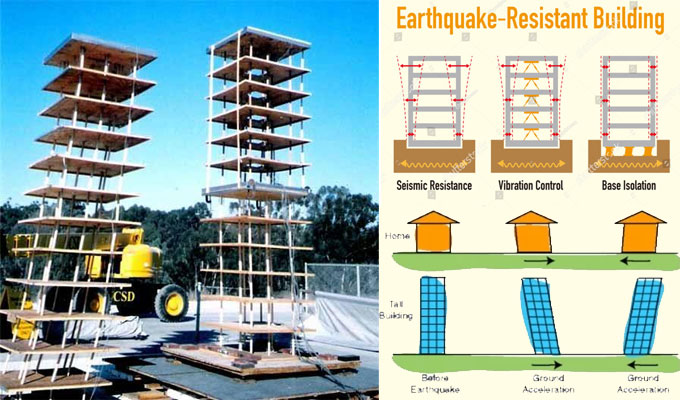
Central to this reconstruction is strict adherence to the 2018 Turkish Building Earthquake Code (as revised). By rebuilding specialized hospitals to meet these rigorous standards, the project ensures that the facilities can survive high-magnitude tremors that might otherwise compromise older structures. This technical alignment is critical for providing safe spaces for residents and medical staff when the city is at its most vulnerable.
Beyond safety, the project also addresses the growing demand for healthcare services in the region. The plan includes a strategic expansion of hospital capacity, increasing the number of beds from 1,548 to 1,600 beds, ensuring the campus can handle a higher volume of patients during both routine operations and emergency surges.
Merging Sustainability with Life-Saving Infrastructure
While seismic resilience is the immediate priority, the project is equally focused on the long-term impact of climate change. Modern healthcare facilities are often energy-intensive; however, the Istanbul Green and Resilient Hospital project seeks to decouple high-quality care from high environmental costs.
The project has set an ambitious goal of achieving Leadership in Energy and Environmental Design (LEED) Gold Level certification. This certification is a globally recognized symbol of sustainable architecture and operations. To reach this benchmark, the reconstruction will incorporate nature-based solutions and a suite of resource-efficient systems designed to lower the carbon footprint of the campus.
The “green” component of the project is not just about ecology—it is about operational efficiency. Energy-efficient and low-carbon elements in the building’s systems reduce long-term operational costs and decrease the facility’s reliance on external power grids, which are often the first systems to fail during a natural disaster. By integrating these sustainable technologies, the Bakırköy Health Campus aims to become a self-sustaining bastion of care.
Financial Structure and Project Components
The scale of the reconstruction requires a complex financing model. The project is divided into two primary components to ensure both the physical infrastructure and the management oversight are adequately funded.

Component A focuses on the actual reconstruction and capacity expansion of three hospitals within the Bakırköy Health Campus. The total estimated cost for this component is EUR 481 million, with the AIIB proposed financing covering EUR 291 million of that total. This phase includes everything from site preparation and the installation of essential hospital utilities to the integration of climate-resilient design elements.
Component B is dedicated to the “soft” infrastructure of the project: management, construction supervision, and monitoring and evaluation. This component has a total cost of EUR 19 million, with the AIIB proposed financing providing EUR 9 million. This ensures that the project is executed with transparency and that the technical standards for earthquake resilience are strictly monitored during construction.
| Metric | Detail/Value |
|---|---|
| Proposed AIIB Funding | USD 344 million |
| Total Cost (Component A) | EUR 481 million |
| Total Cost (Component B) | EUR 19 million |
| Bed Capacity Increase | 1,548 to 1,600 beds |
| Sustainability Target | LEED Gold Level |
Why This Matters for Global Urban Resilience
The Istanbul project serves as more than just a local upgrade; it is a case study in how mega-cities in high-risk zones can adapt to the dual threats of geological instability and climate change. When a hospital fails during a disaster, the ripple effect is catastrophic, leading to higher mortality rates and the collapse of emergency response systems.

By combining the 2018 Turkish Building Earthquake Code with LEED Gold sustainability standards, Turkey is attempting to create a “future-proof” healthcare model. This approach recognizes that resilience is not just about the strength of the concrete, but about the efficiency of the energy systems and the ability of the facility to function as an island of stability when the surrounding city is in crisis.
For the residents of Istanbul, this project represents a critical safety net. The ability to deliver uninterrupted healthcare during seismic events can mean the difference between a manageable emergency and a systemic healthcare failure.
Key Takeaways
- Seismic Safety: All reconstruction must comply with the revised 2018 Turkish Building Earthquake Code to ensure structural integrity during tremors.
- Environmental Leadership: The project targets LEED Gold certification through nature-based solutions and energy-efficient systems.
- Capacity Growth: The Bakırköy Health Campus will expand its capacity to 1,600 beds to better serve the population.
- International Partnership: The project relies on a proposed USD 344 million financing package from the AIIB.
- Comprehensive Scope: The plan covers both physical construction (Component A) and rigorous project supervision (Component B).
The project entered a critical phase with a concept review conducted on May 7, 2026. The next confirmed checkpoint will be the formal approval of the financing and the transition from the proposal stage to active implementation. We will continue to monitor the AIIB’s project disclosures for updates on the funding status and the commencement of site preparations.
What are your thoughts on the integration of green building standards in emergency infrastructure? Do you believe other seismic-prone cities should adopt a similar LEED-certified approach to hospital construction? Share your insights in the comments below.
Keep reading