
Egypt is celebrating the global heritage community today, May 18, 2026, by opening the doors of its vast network of museums to Egyptian citizens free of charge. The initiative, timed to coincide with International Museum Day, aims to foster a deeper connection between the public and the nation’s storied past, encouraging citizens to explore the artifacts and narratives that define Egyptian identity.
The decision, coordinated by the Ministry of Tourism and Antiquities, reflects a broader strategy to democratize access to cultural heritage. By removing financial barriers for a single day, the government hopes to inspire a new generation of Egyptians to engage with their history, from the Pharaonic era to the modern age. While the majority of the country’s museums are participating, officials have clarified that a few high-profile institutions remain exempt from the free-entry policy.
For a nation that houses some of the world’s most significant archaeological treasures, this gesture serves as both a celebration and a reminder of the role museums play in education and national pride. As crowds gather at sites across Cairo and other governorates, the event highlights Egypt’s commitment to the International Council of Museums’ (ICOM) mission of promoting museum accessibility worldwide.
The Scope of Free Admission and the Three Major Exclusions
The majority of state-run museums across the Republic are offering Egyptian museums free entry International Museum Day participants today. This includes specialized museums, regional sites, and several of the smaller galleries that often go unnoticed by the general public. However, the Ministry of Tourism and Antiquities has specified that three primary institutions are excluded from this free-entry mandate.
The exclusions apply to the Grand Egyptian Museum (GEM), the National Museum of Egyptian Civilization (NMEC), and the Egyptian Museum in Tahrir. These three institutions are typically exempted due to their unique operational structures, the high volume of international tourism they attract, or specific ticketing protocols for their permanent and temporary exhibitions. Visitors wishing to enter these three sites will still be required to purchase standard tickets, though students and seniors may still avail themselves of existing discounted rates.
The decision to exclude these specific sites ensures that the management of Egypt’s most visited landmarks remains sustainable while still allowing the broader network of museums to serve as accessible educational hubs for the local population. For those seeking a free experience, the Ministry encourages visiting regional museums and smaller specialized sites that offer a more intimate look at the country’s diverse history.
Key Takeaways: International Museum Day in Egypt
- Date: May 18, 2026.
- Eligibility: Free entry is granted exclusively to Egyptian citizens.
- Exclusions: The Grand Egyptian Museum (GEM), National Museum of Egyptian Civilization (NMEC), and the Egyptian Museum in Tahrir are NOT free.
- Special Events: Includes workshops at cultural palaces and free entry to the Railway Museum.
- Objective: To increase cultural awareness and accessibility to national heritage.
Special Events: Spanish Collaboration and Industrial Heritage
Beyond the general free-entry initiative, International Museum Day 2026 is marked by several high-profile cultural collaborations. One of the most notable is the participation of Spain at the Grand Egyptian Museum. This partnership underscores the diplomatic and cultural ties between the two nations, utilizing the GEM’s world-class facilities to showcase a cross-cultural dialogue on heritage preservation and exhibition design.
While the GEM itself is not free for citizens today, the Spanish participation adds a layer of international prestige to the celebrations, highlighting how Egypt’s museums serve as bridges between different civilizations. Such events are part of a larger effort to position Egypt as a global hub for cultural exchange and archaeological research.
In another nod to the diversity of Egypt’s history, the Railway Museum in Cairo has also opened its doors for free this Monday. This site offers a unique departure from the typical Pharaonic focus, allowing visitors to journey through the history of transportation and the industrialization of the Egyptian state. The Railway Museum’s participation emphasizes that “heritage” encompasses not only the ancient world but also the technological milestones of the 19th and 20th centuries.
Community Engagement and the Role of Cultural Palaces
The celebrations extend beyond the walls of traditional museums. Across the country, various cultural palaces are hosting a series of events designed to engage the youth and families. These activities include guided tours and specialized art workshops for children, aimed at translating complex historical concepts into creative, hands-on experiences.
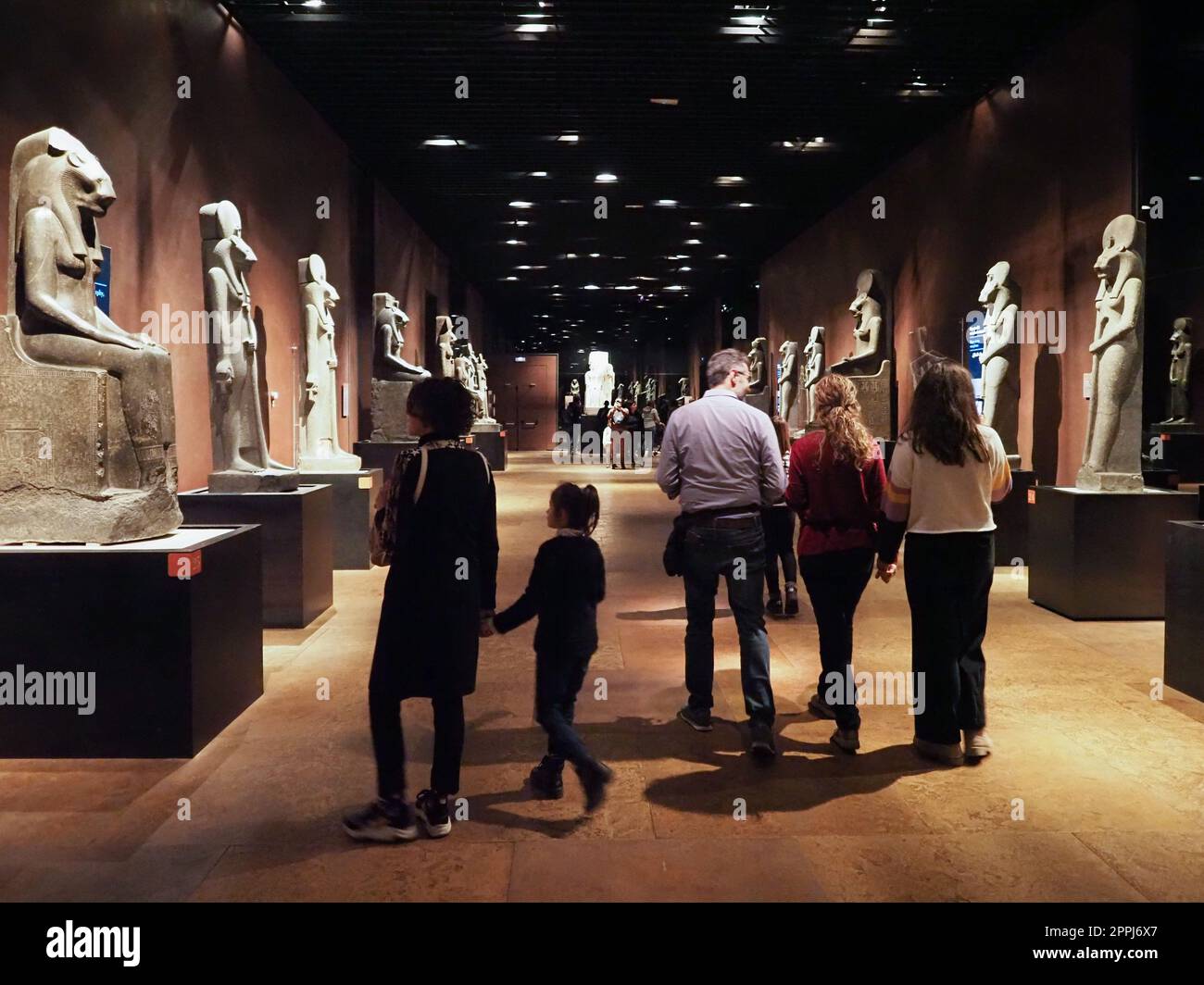
These workshops are critical for the long-term goal of cultural sustainability. By teaching children how to appreciate and analyze artifacts through art and storytelling, the state is investing in the future custodians of Egypt’s heritage. The integration of cultural palaces into the International Museum Day framework ensures that the celebration reaches rural and underserved areas, not just the urban centers of Cairo and Alexandria.
The focus on “forgotten” or lesser-known museums is also a central theme this year. By encouraging citizens to visit smaller sites, the Ministry is attempting to redistribute tourist and local foot traffic, bringing attention to regional gems that contribute significantly to the local narrative but often struggle for visibility compared to the “Big Three” excluded museums.
Why International Museum Day Matters for Global Heritage
International Museum Day, established by the International Council of Museums (ICOM), is more than just a day of free admission. It is a global movement to redefine the museum’s role in society. In the modern era, museums are shifting from being mere “storehouses of things” to becoming active centers for social change, education, and community identity.
For Egypt, this transition is particularly poignant. The country is currently undergoing a massive overhaul of its museum infrastructure, moving from the traditional layouts of the Tahrir era to the immersive, technology-driven experiences found in the NMEC and the GEM. These changes reflect a global trend toward “experiential” museum-going, where the visitor is an active participant rather than a passive observer.
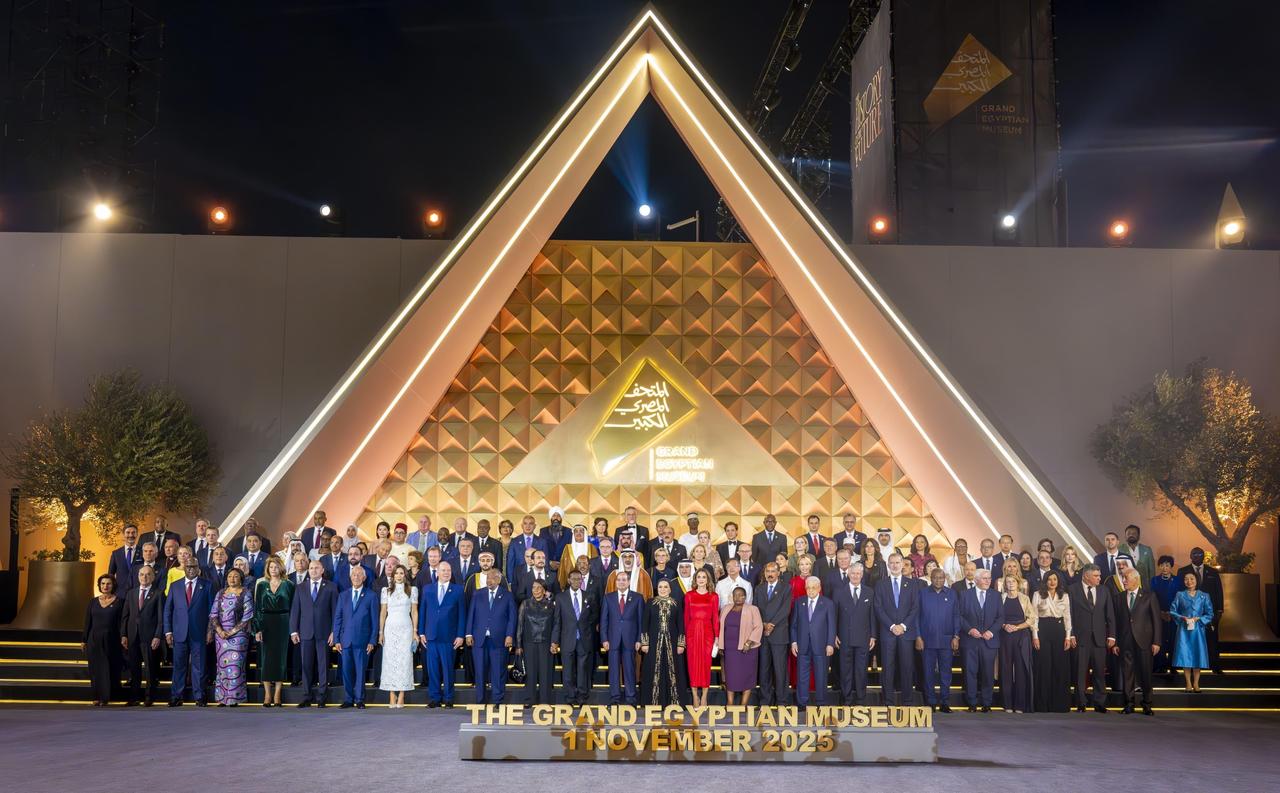
The Egyptian museums free entry International Museum Day initiative is a practical application of this philosophy. By inviting the public in, the state acknowledges that the artifacts within these walls belong to the people of Egypt. This sense of ownership is vital for the protection of antiquities. when a population feels a personal connection to its heritage, it is more likely to support conservation efforts and oppose the illicit trafficking of artifacts.
the inclusion of international partners, such as the Spanish delegation, demonstrates that Egypt’s heritage is not just a national asset but a global one. The shared study of human history allows for a better understanding of the interconnectedness of ancient Mediterranean civilizations, fostering mutual respect and academic collaboration.
Practical Information for Visitors
Citizens planning to visit museums today are advised to carry a valid national ID to avail themselves of the free entry. While the majority of sites are free, it is recommended to check the official social media pages of the Ministry of Tourism and Antiquities for any last-minute updates regarding opening hours or specific site closures for maintenance.
For those interested in the excluded museums (GEM, NMEC, and Tahrir), online booking remains the most efficient way to secure entry and avoid long queues, especially given the increased foot traffic associated with the global celebrations.
The next major checkpoint for Egypt’s museum sector will be the full official opening of the Grand Egyptian Museum’s main galleries, a milestone that is expected to redefine the global tourism landscape. Until then, the annual celebration of International Museum Day remains a key date for the public to reconnect with their roots.
Do you have a favorite “hidden gem” museum in Egypt? Share your experiences in the comments below or share this article with friends to help them plan their visit today.
Keep reading