
In the vast and ever-evolving landscape of digital entertainment, few phenomena have captured global attention—and concern—quite like the cultural obsession with gacha mechanics. Originally a staple of Japanese role-playing games, gacha—a term derived from the Japanese word for “lottery”—has become a dominant feature in mobile games worldwide, blending chance-based rewards with deep psychological engagement. Yet, as players worldwide grapple with the addictive allure of pulling for rare in-game items, a growing chorus of voices is questioning whether these mechanics are crossing ethical lines, particularly when targeted at younger audiences. The debate has intensified in recent months, with regulators, psychologists, and gaming communities clashing over how to address what many describe as a modern gambling crisis in disguise.
The core appeal of gacha lies in its simplicity: players spend in-game currency (often earned through real-world purchases) to “pull” for randomized items, ranging from cosmetic upgrades to game-breaking characters. The thrill of the unknown, coupled with the fear of missing out (FOMO), creates a feedback loop that can be difficult to break. For many, the experience is harmless fun. But for others—especially younger players—it becomes a compulsive cycle, blurring the line between entertainment and behavioral addiction. The stakes are high: industry reports suggest that mobile gaming revenue surpassed $120 billion in 2025, with gacha mechanics contributing a significant share. Yet, the lack of standardized regulations has left players vulnerable to exploitation, particularly when games employ aggressive monetization tactics like limited-time events or “whale farming” (targeting high-spending players).
This article explores the psychology behind gacha addiction, the regulatory gaps allowing its unchecked growth, and the real-world consequences for players—especially in regions like South Korea and Japan, where gaming culture intersects with deep-rooted concerns about youth mental health. We’ll also examine how developers are responding (or failing to respond) to mounting criticism, and what the future might hold for an industry built on chance, chance, and more chance.
Why Gacha Mechanics Are Designed to Hook You
At its core, gacha is a psychological experiment in variable-reward schedules, a concept borrowed from behavioral psychology. First popularized by B.F. Skinner’s work on operant conditioning, this principle posits that unpredictable rewards—like the random drops in a gacha pull—create far stronger engagement than fixed rewards. In games, this manifests as the “near-miss” effect: players who come close to obtaining a rare item (e.g., pulling a 4-star character instead of a 5-star) experience a dopamine spike nearly identical to a full win, reinforcing the behavior. Studies on gambling addiction have drawn parallels to this mechanism, noting that variable-reward systems can trigger compulsive behavior by exploiting the brain’s reward pathways.
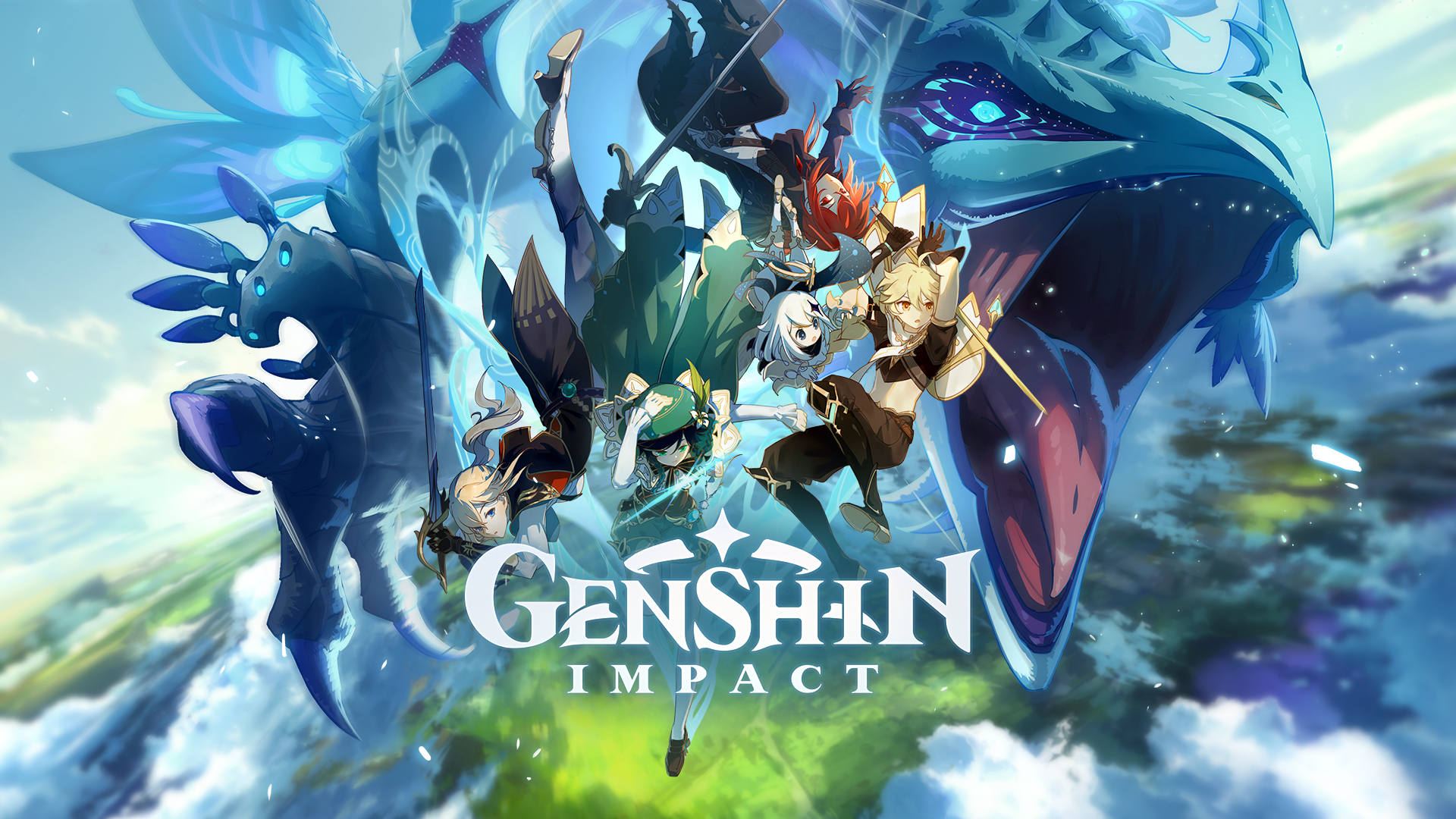
Developers leverage this science deliberately. Take Genshin Impact, one of the highest-grossing gacha games globally, which in 2025 generated over $1.5 billion annually. The game’s “Pity System”—where players are guaranteed a rare item after a set number of pulls—is framed as a “protection” against bad luck, but psychologists argue it actually encourages spending by creating a false sense of control. Similarly, games like Fate/Grand Order and Honkai: Star Rail use “banners” (time-limited character releases) to manufacture urgency, pressuring players to spend before the event ends. The result? A perfect storm of psychological triggers that can lead to financial strain, social isolation, and even depression.
The Regulatory Vacuum: Why Governments Are Struggling to Act
Despite the mounting evidence of harm, gacha mechanics remain largely unregulated in most countries. Japan, the birthplace of gacha, has taken the most aggressive stance: in 2012, the country classified gacha as a form of gambling under its Act on Games with Prize Money, requiring games to disclose odds and cap spending limits for minors. However, enforcement has been inconsistent, and many games operate in legal gray areas by offering “virtual currency” that can be purchased with real money—effectively sidestepping gambling laws. South Korea, another gaming powerhouse, has proposed stricter regulations, including mandatory cooling-off periods for high-spending players and real-name verification for transactions over a certain threshold. Yet, industry lobbying has stalled progress, with developers arguing that regulations could stifle creativity and innovation.
In the U.S. And Europe, the lack of clear guidelines has left players in limbo. The Federal Trade Commission (FTC) has issued warnings about deceptive practices in gacha games, particularly when developers fail to disclose the true odds of obtaining rare items. However, no federal law specifically targets gacha mechanics. Meanwhile, the European Union’s Digital Services Act, set to fully enforce in 2026, may force platforms to implement stricter transparency requirements for in-app purchases, including age verification and spending limits. But critics argue these measures are reactive, not preventive—and that by the time regulations catch up, the damage to players may already be done.
Real Stories: The Human Cost of Gacha Addiction
While industry revenue soars, the personal toll of gacha addiction is often overlooked. In South Korea, where gaming culture is deeply embedded, cases of financial ruin due to gacha spending have become a societal issue. One 2025 study by the Korean Association of Mental Health found that 12% of adolescents reported spending more than $500 per month on gacha games, with some dropping out of school to fund their habits. The emotional fallout is equally severe: players describe feelings of shame, guilt, and depression after realizing the extent of their spending. For example, a 17-year-old player from Seoul, who requested anonymity, told World Today Journal that he spent over $3,000 in six months chasing a single character in Arknights, leading to family conflict and academic decline.
Psychologists warn that the stigma around gaming addiction—often dismissed as “just a phase”—prevents many from seeking help. Unlike traditional gambling, which is widely recognized as a public health issue, gacha addiction lacks official classification in medical manuals like the DSM-5. This gap allows developers to market their games as “harmless fun,” even as internal documents reveal their understanding of the addictive potential. In 2024, leaked emails from miHoYo (the developer behind Genshin Impact) showed executives discussing how to maximize player retention through psychological triggers, including “loss aversion” tactics that make players fear missing out on limited-time content.
What’s Being Done—and What’s Next
Amid the controversy, some developers are taking voluntary steps to address concerns. Genshin Impact’s parent company, miHoYo, introduced a “Spending Limit” feature in 2025, allowing players to cap their monthly expenditures. Similarly, Honkai: Star Rail developer HoYoverse added a “Cooldown Timer” to prevent excessive spending during banners. However, these measures are often opt-in and lack enforcement mechanisms. Industry-wide change will require pressure from regulators, consumers, and even competitors. In Japan, the Amusement Machine Industry Association has proposed a self-regulatory framework, but critics argue it’s too little, too late.

Looking ahead, the most promising developments may come from outside the gaming industry. In South Korea, lawmakers are pushing for a national task force to study gaming addiction, with plans to introduce legislation by 2027 that would mandate:
- Real-name verification for all in-game purchases over $50.
- Mandatory 24-hour cooling-off periods after high-spending events.
- Transparency reports on spending patterns, shared with parents for minors.
Meanwhile, the World Health Organization (WHO) is reviewing whether to classify gaming disorder—including gacha-related addiction—as a formal diagnosis in its next iteration of the International Classification of Diseases (ICD-12), expected in 2028. If adopted, this could pave the way for insurance coverage for treatment and greater public awareness.
Key Takeaways: What Players Need to Know
- Gacha is designed to exploit psychology. Variable rewards, scarcity, and near-miss effects are engineered to keep players spending.
- Regulations are fragmented. Japan and South Korea lead in oversight, but the U.S. And Europe lag behind, leaving players vulnerable.
- Help is available—but stigma remains. Organizations like GameCare (UK) and KAMC (South Korea) offer support, but many avoid seeking it due to shame.
- Developers are not your allies. While some games now offer spending limits, these are often optional and lack enforcement.
- Parents should monitor spending. Enable purchase limits, use parental controls, and discuss healthy gaming habits with children.
- The future may bring stricter rules. Watch for updates from the EU’s Digital Services Act and South Korea’s proposed legislation.
How to Protect Yourself (or Your Loved Ones) from Gacha Addiction
If you or someone you know is struggling with compulsive gacha spending, consider these steps:
- Set hard limits. Use in-game spending caps or third-party tools like AppBlocker to restrict purchases.
- Track spending. Many games now provide monthly summaries—review them regularly.
- Take breaks. Delete the game temporarily or switch to free-to-play modes to reset habits.
- Seek support. Contact organizations like GameCare or SAMHSA (U.S.) for resources.
- Talk to developers. If a game’s mechanics feel predatory, report them to platforms like the Google Play Store or Apple App Store.
The next major checkpoint in this debate will be the EU’s full enforcement of the Digital Services Act in 2026, which may force platforms to implement stricter transparency and age-verification measures. Meanwhile, South Korea’s proposed gaming addiction legislation—expected to be debated in the National Assembly by late 2026—could set a global precedent for how governments regulate gacha mechanics. Until then, players remain at the mercy of an industry prioritizing revenue over player well-being.
Have you or someone you know struggled with gacha addiction? Share your experiences in the comments below—or help raise awareness by tagging a friend who might benefit from this discussion. Together, People can push for a future where gaming stays fun, not harmful.
Related reading