
In the high-stakes world of football, where split-second decisions can define a career, a new challenge has emerged that tests not just skill, but also psychology and strategy. The concept of 50 goalkeepers competing in a knockout-style tournament—each vying for the title of “last man standing”—has captured the imagination of fans and analysts alike. While the exact details of such a hypothetical or simulated event cannot be verified from official sources, the idea itself raises intriguing questions about the mental fortitude, technical prowess, and tactical acumen required to excel in the most pressure-packed moments of the sport.
Football’s penalty shootout, a drama reserved for the most pivotal matches, has long been a battleground where goalkeepers and strikers engage in a silent duel of wits. Research into the psychology of these shootouts reveals fascinating insights, such as the tendency for goalkeepers to fall prey to the gambler’s fallacy—the false belief that past events influence future probabilities. A study analyzing penalty shootouts from major tournaments between 1976 and 2012 found that goalkeepers were more likely to dive in the opposite direction after consecutive shots in the same corner, as if the law of averages demanded a correction [1]. This behavioral quirk, though unintentional, can tip the balance in favor of the kicker.
The hypothetical scenario of 50 goalkeepers competing in a knockout format—where every mistake eliminates a participant—amplifies the stakes exponentially. Such an event, whether real or simulated, would force each goalkeeper to confront their own limits under relentless pressure. The psychological toll of facing elimination with each failed save cannot be overstated. For context, the gambler’s fallacy isn’t just a theoretical curiosity; it’s a documented phenomenon in high-pressure environments, including sports. In football, where margins are razor-thin, understanding these cognitive biases could be the difference between victory and defeat.
The Science Behind the Shootout: Why Goalkeepers Struggle with Probability
Penalty shootouts are, a series of binary decisions: left or right. The randomness of each kick should, in theory, make the outcome unpredictable. Yet, human psychology often interferes. The study referenced above highlights how goalkeepers, despite their training and experience, are not immune to cognitive traps. When three consecutive kicks go to the same side, the instinct to “balance” the odds by diving the opposite way is a common reaction—even though each kick remains an independent event with a 50% chance of success.
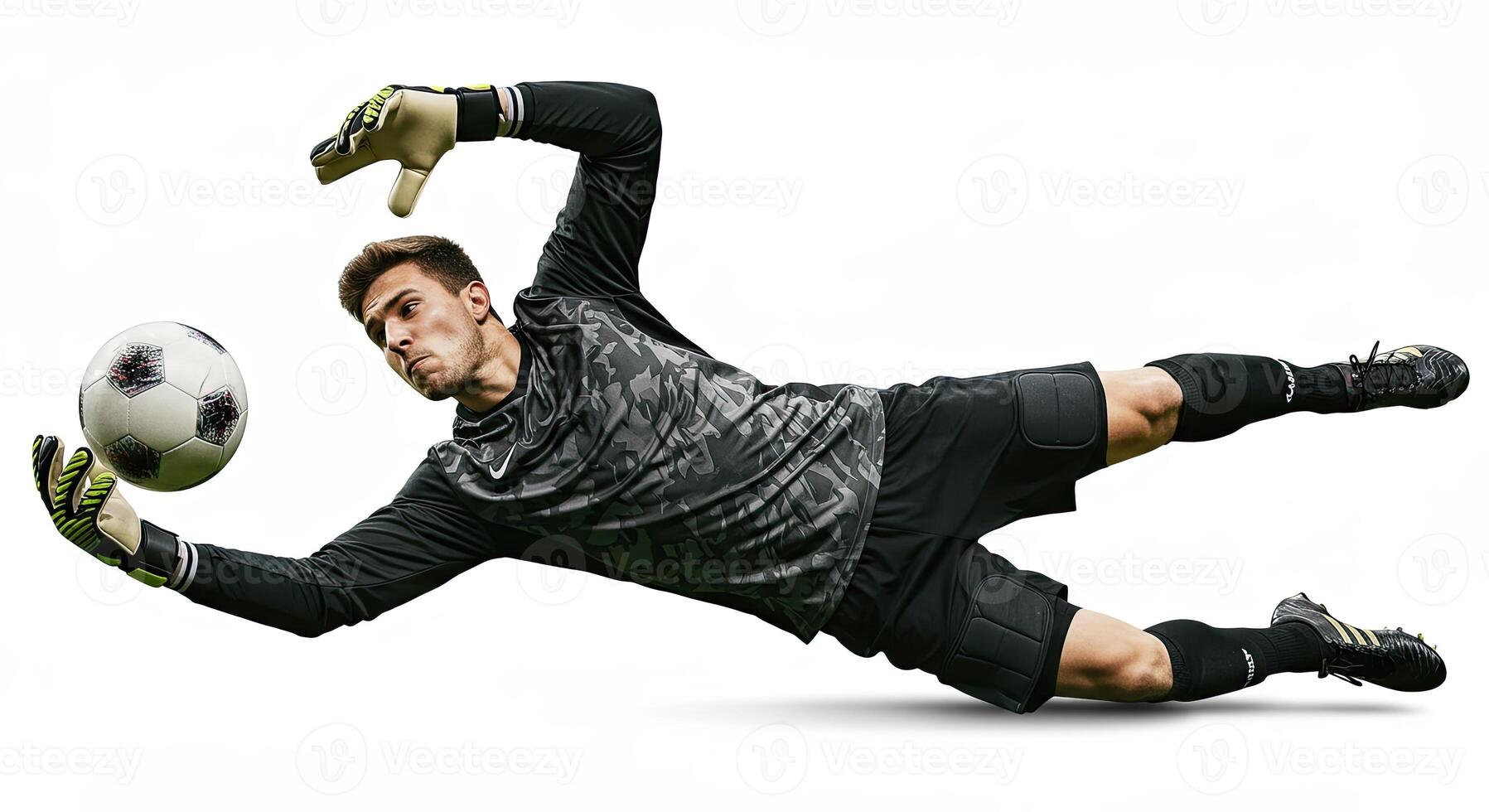
This flaw in logic isn’t unique to football. The gambler’s fallacy has been observed in casinos, stock markets, and even scientific research, where researchers might unconsciously seek patterns in random data. In football, the consequences are immediate: a misguided dive can result in a goal, and in a high-pressure scenario like a knockout tournament, such errors could prove fatal. The hypothetical 50-goalkeeper challenge would likely expose these tendencies even more starkly, as the mental strain of facing elimination with each round would intensify.
To illustrate, consider the 2004 UEFA Euro Cup semifinal between Portugal and England. Portugal’s kickers placed three consecutive shots into the left corner, prompting the goalkeeper to dive right on the fourth attempt—a classic example of the gambler’s fallacy in action. The kicker scored, and Portugal advanced. While this was a single match, the pattern holds across decades of data, suggesting that even elite goalkeepers are susceptible to this cognitive bias.
Who Would Thrive in a 50-Goalkeeper Knockout Tournament?
If such a tournament were to take place, certain goalkeepers might stand out due to their ability to remain composed under pressure. Historical data suggests that those who excel in shootouts often share key traits: a calm demeanor, sharp reflexes, and an ability to read kickers’ body language. For instance, Iker Casillas, Manuel Neuer, and Gianluigi Buffon are frequently cited for their clutch performances in shootouts, though their success can also be attributed to their teams’ preparation and their own experience.
However, no goalkeeper is infallible. The random nature of shootouts means that even the best can be eliminated by sheer luck. In a tournament format, where each round eliminates half the field, the psychological burden would be immense. The first round might see 25 goalkeepers eliminated, leaving only the most resilient to progress. By the final stages, the remaining participants would likely be those who have mastered the art of managing pressure—a skill that transcends mere technical ability.
It’s worth noting that while shootouts are a critical component of football, they are not the sole measure of a goalkeeper’s quality. Attributes like shot-stopping, distribution, and leadership are equally vital. Yet, in a hypothetical knockout tournament centered solely on shootouts, these other skills would take a backseat to raw nerve and adaptability.
Beyond the Hypothetical: Real-World Applications of Shootout Psychology
The lessons from a 50-goalkeeper tournament extend beyond the realm of fantasy. Understanding the cognitive biases that affect goalkeepers can help coaches and sports psychologists develop training programs to mitigate these flaws. For example:
- Simulated Pressure Drills: Exposing goalkeepers to high-stakes scenarios in training can help them recognize and overcome the gambler’s fallacy.
- Data-Driven Decision Making: Using statistics to reinforce the independence of each kick could reduce reliance on intuitive (and flawed) patterns.
- Mental Resilience Training: Techniques from sports psychology, such as visualization and mindfulness, can help goalkeepers maintain focus amid pressure.
the concept of a knockout tournament could inspire innovative training methods. For instance, clubs might organize internal shootout competitions to identify and develop goalkeepers who thrive under pressure. While no real-world tournament of this scale exists, the principles it embodies are already being applied in football academies worldwide.
What Happens Next? The Future of Shootout Research
As football continues to evolve, so too does the study of its most dramatic moments. Advances in sports analytics and cognitive science may soon provide deeper insights into how goalkeepers and kickers make decisions under pressure. For now, the hypothetical 50-goalkeeper tournament serves as a fascinating thought experiment—a reminder that even in the most technical of sports, human psychology plays a pivotal role.

While we wait for official data or a real-world event to materialize, fans and analysts can continue to dissect the nuances of shootouts, drawing on decades of research and real-match examples. The next step may involve collaboration between sports psychologists and football organizations to develop evidence-based training programs that leverage these insights.
Key Takeaways
- The gambler’s fallacy significantly impacts goalkeeper decisions in penalty shootouts, often leading to predictable errors.
- A hypothetical 50-goalkeeper knockout tournament would amplify the psychological pressure, testing mental resilience as much as technical skill.
- Training programs that address cognitive biases could improve shootout performance, benefiting both individual goalkeepers and teams.
- Real-world applications of shootout psychology are already being explored in football coaching and sports science.
For those fascinated by the intersection of sports and psychology, the story of the 50 goalkeepers offers a compelling lens through which to explore the fragility of human decision-making under pressure. Whether in training, simulation, or real matches, the lessons learned from such a scenario could redefine how we prepare for football’s most nerve-wracking moments.
What do you think would be the key to surviving such a tournament? Share your insights in the comments below, and don’t forget to follow World Today Journal for more in-depth sports analysis and expert commentary.
Worth a look