In the evolving landscape of contemporary theater, few productions have managed to capture the intersection of climate anxiety and absurdist performance art quite like Farm Fatale. Directed by Philippe Quesne, the production has garnered attention for its unique aesthetic, which utilizes a cast of anthropomorphic scarecrows to explore themes of environmental collapse and the future of human habitation. The play, which recently featured as part of the Southbank Centre’s 75th anniversary program in London, offers a meditation on a world where nature has been silenced and the role of the farmer has been fundamentally transformed by industrial interests.
For those familiar with experimental performance, the visual language of Farm Fatale is distinct. The production features a group of scarecrows—characters traditionally tasked with protecting crops—who find themselves in a landscape where Notice no crops left to guard and no birds left to deter. The narrative arc centers on their operation of a makeshift pirate radio station, serving as a desperate, imaginative attempt to maintain a sense of community and communication in a dystopian near-future. This artistic exploration of environmental degradation is not merely a critique but an invitation to consider the resilience of narrative in the face of ecological change.
The Aesthetic of the Anthropocene
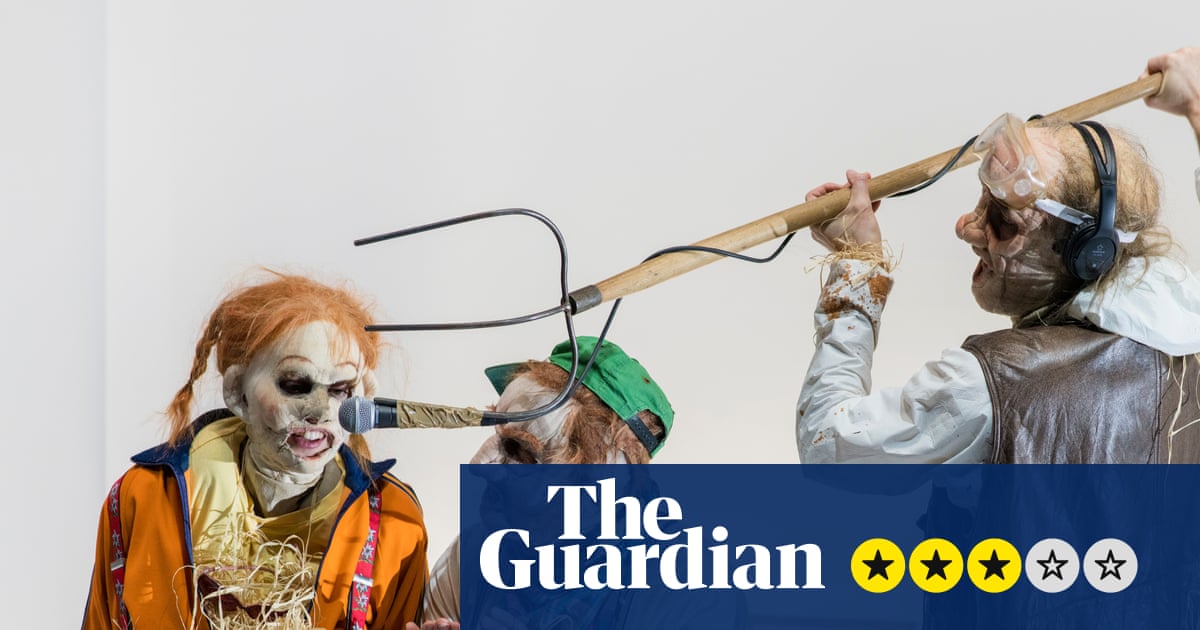
At the heart of the performance are the physical design choices made by Quesne and his creative team. The scarecrows are characterized by their “melted plastic” faces and voices that evoke a sense of uncanny, machine-like distortion. This design choice serves to distance the audience from human realism, pushing the play into the realm of the surreal. By placing these figures in a studio setting, the play highlights the contrast between the organic past of the farm and the synthesized, technological future the characters inhabit.
The staging of Farm Fatale has been noted for its “sensorily ambitious” approach, integrating elements that challenge the audience’s perception of time and space. Long sequences of stillness, punctuated by commentary on recorded birdsong, force viewers to sit with the reality of a world where natural phenomena have been archived rather than experienced. According to official programming from the Southbank Centre, the institution has long served as a hub for international experimental work, providing a platform for artists to engage with pressing global issues through diverse creative mediums. The inclusion of Quesne’s work in their anniversary celebrations underscores the venue’s commitment to hosting provocative, climate-conscious art.
Art as a Response to Climate Crisis
The thematic core of Farm Fatale lies in its depiction of the “leisurely and inevitable crawl towards climate death.” By using scarecrows as the protagonists, the production effectively strips away the traditional human-centric perspective of environmental storytelling. The scarecrows, who once served the agricultural industry, are now marginalized castaways. When they transition into activities like sign-making or musical performances, the play mirrors the “schoolyard imaginative play” that adults often utilize to process trauma or overwhelming change.
One of the most poignant sequences involves an interview with a bee, conducted via a microphone attached to a pitchfork. This interaction serves to emphasize the scarcity of the natural world, with the bee described as one of the last remaining in Europe. This narrative choice highlights the broader impact of biodiversity loss, a topic frequently addressed by global environmental bodies. For those interested in the scientific reality behind such artistic metaphors, the European Environment Agency provides comprehensive reports on the status of pollinators and the broader implications of habitat loss across the continent.
Future Perspectives and Artistic Advocacy
What sets Farm Fatale apart is its refusal to offer a simple moralistic conclusion. Instead, it positions art itself as a form of salvation. By creating a space where the scarecrows can broadcast their existence, the play suggests that the act of witnessing—even when the subject is the end of an era—is an essential human impulse. The production does not shy away from the darker aspects of its premise, such as the rise of industrial farming entities that profit from the ruin of smaller, traditional operations, yet it maintains a tone of wonder and curiosity.
As international audiences continue to engage with the intersection of performance art and environmental policy, the work of creators like Quesne remains a vital touchstone. The production’s ability to blend “absurdist parable” with “eco-propaganda” creates a multifaceted experience that invites dialogue rather than dictating solutions. For attendees of the Southbank Centre and other global arts venues, the play serves as a reminder that the conversation regarding our planet’s future is not limited to political or scientific forums; it is also a creative, deeply human endeavor.

The Southbank Centre continues to host a variety of performances and public events throughout the year. For those looking to stay informed about future programming and the return of experimental works to the London stage, official updates and event calendars can be found on their What’s On page. As we move forward into an increasingly uncertain climate future, the role of performance art in shaping the cultural narrative around these changes will likely only grow in significance.
Have you had the chance to experience experimental theater that tackles the climate crisis? Share your thoughts in the comments below or join the conversation on our social media platforms.
Worth a look