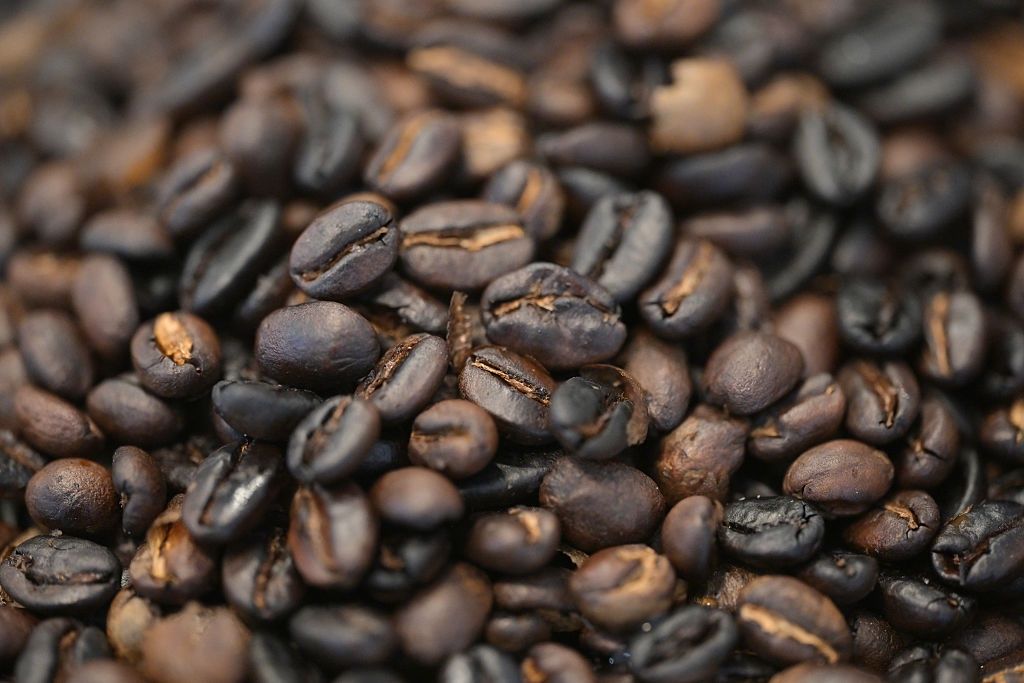
The global coffee market, a staple of both morning routines and international trade, faces persistent scrutiny regarding product authenticity. As demand for high-quality beans remains robust, consumers are increasingly encountering instances of coffee adulteration—a practice where manufacturers or distributors incorporate non-coffee fillers into ground or instant coffee products. Understanding the mechanics of these “deceptive coffees” is essential for maintaining transparency in the supply chain and ensuring that consumers receive the genuine product they expect.
At its core, coffee adulteration involves the substitution of premium ingredients with cheaper, often plant-based materials. This practice is not merely a matter of quality; This proves a significant issue for food safety regulators and consumer protection agencies worldwide. According to the Food and Agriculture Organization of the United Nations (FAO), maintaining the integrity of global food commodities requires rigorous oversight, particularly as supply chains become more complex and vulnerable to fraudulent activity.
Identifying Common Adulterants in Coffee
When coffee is processed, particularly in the form of ground or instant preparations, the physical characteristics of the beans are obscured. This creates an environment where unscrupulous actors may introduce various substances to increase the volume of the product without significantly altering its appearance. Historically and in contemporary investigations, these fillers have included a range of botanical materials that mimic the color or texture of roasted coffee beans.
Commonly reported fillers include:
- Cereals and Grains: Barley, corn, and rye are frequently cited in food fraud reports due to their availability and low cost.
- Legumes: Soybeans and chickpeas have been identified in various international market surveillance reports as common bulk-increasing agents.
- Root Vegetables: Chicory, while often used as a legitimate coffee substitute, is sometimes blended into coffee products without clear labeling, effectively diluting the pure coffee content.
- Other Plant Matter: Research into food authenticity often highlights the presence of twigs, parchment, and even roasted coffee husks, which are byproducts of the processing stage and hold little to no commercial value as premium coffee.
The Institute of Food Technologists (IFT) emphasizes that these practices are often difficult for the average consumer to detect through sensory evaluation alone. The introduction of these materials not only compromises the flavor profile but also raises concerns for individuals with specific food allergies, such as those sensitive to gluten or soy, if the additives are not properly disclosed on the product packaging.
The Impact of Food Fraud on Global Markets
The economic impact of coffee adulteration is felt throughout the supply chain, from smallholder farmers in origin countries to the final retail consumer. When the market is flooded with lower-cost, adulterated products, it places downward pressure on the prices of genuine, high-quality coffee. This can devastate the livelihoods of farmers who adhere to strict quality standards and sustainable farming practices.
Regulatory bodies, such as the U.S. Food and Drug Administration (FDA) and the European Food Safety Authority (EFSA), work to mitigate these risks through continuous monitoring and the enforcement of food labeling laws. These mandates require that ingredients are clearly listed, and that products claiming to be “100% Arabica” or “pure coffee” undergo analytical testing to verify their composition. Failure to comply with these standards can lead to product recalls, legal action, and significant reputational damage for the companies involved.
How Consumers Can Protect Themselves
For the discerning coffee drinker, there are several strategies to ensure product quality. First, purchasing whole beans rather than pre-ground coffee allows for a visual inspection of the product before it is brewed. Whole, high-quality beans should have a consistent size and appearance, free from foreign debris or broken fragments that might indicate the inclusion of fillers.
consumers should prioritize reputable brands and retailers that provide transparency regarding their sourcing and supply chain. Many specialty coffee companies now utilize “direct trade” models, which foster closer relationships between the roaster and the farmer, significantly reducing the opportunities for adulteration during the distribution process. Checking for third-party certifications—such as Fair Trade, Organic, or Rainforest Alliance—can also serve as an indicator that the product has undergone independent auditing to meet specific quality and ethical standards.
Future Outlook and Regulatory Vigilance
As technology advances, so too does the ability of regulators to detect fraud. Modern analytical techniques, including stable isotope ratio analysis and DNA-based testing, are becoming more accessible and are being used to fingerprint coffee samples to confirm their origin and purity. These scientific advancements are crucial in the ongoing effort to protect the global coffee industry from those who seek to profit through deception.

International organizations continue to collaborate on harmonizing food safety standards to prevent the cross-border movement of adulterated goods. The next significant checkpoint for global food safety policy will likely involve upcoming sessions of the Codex Alimentarius Commission, which sets international food standards to protect consumer health and ensure fair practices in the food trade. These meetings serve as a vital venue for addressing emerging threats to food integrity, including the evolving methods used in coffee adulteration.
If you have concerns about the authenticity of a coffee product you have purchased, it is recommended that you contact your local consumer protection agency or the food safety authority in your jurisdiction. Transparency is a shared responsibility, and staying informed is the first step toward a more authentic and sustainable coffee market. We invite our readers to share their experiences or questions in the comments section below as we continue to track developments in global food standards.
Worth a look