New York City’s First Public Grocery Store Will Open in the Bronx in 2027—Here’s What It Means for Affordability
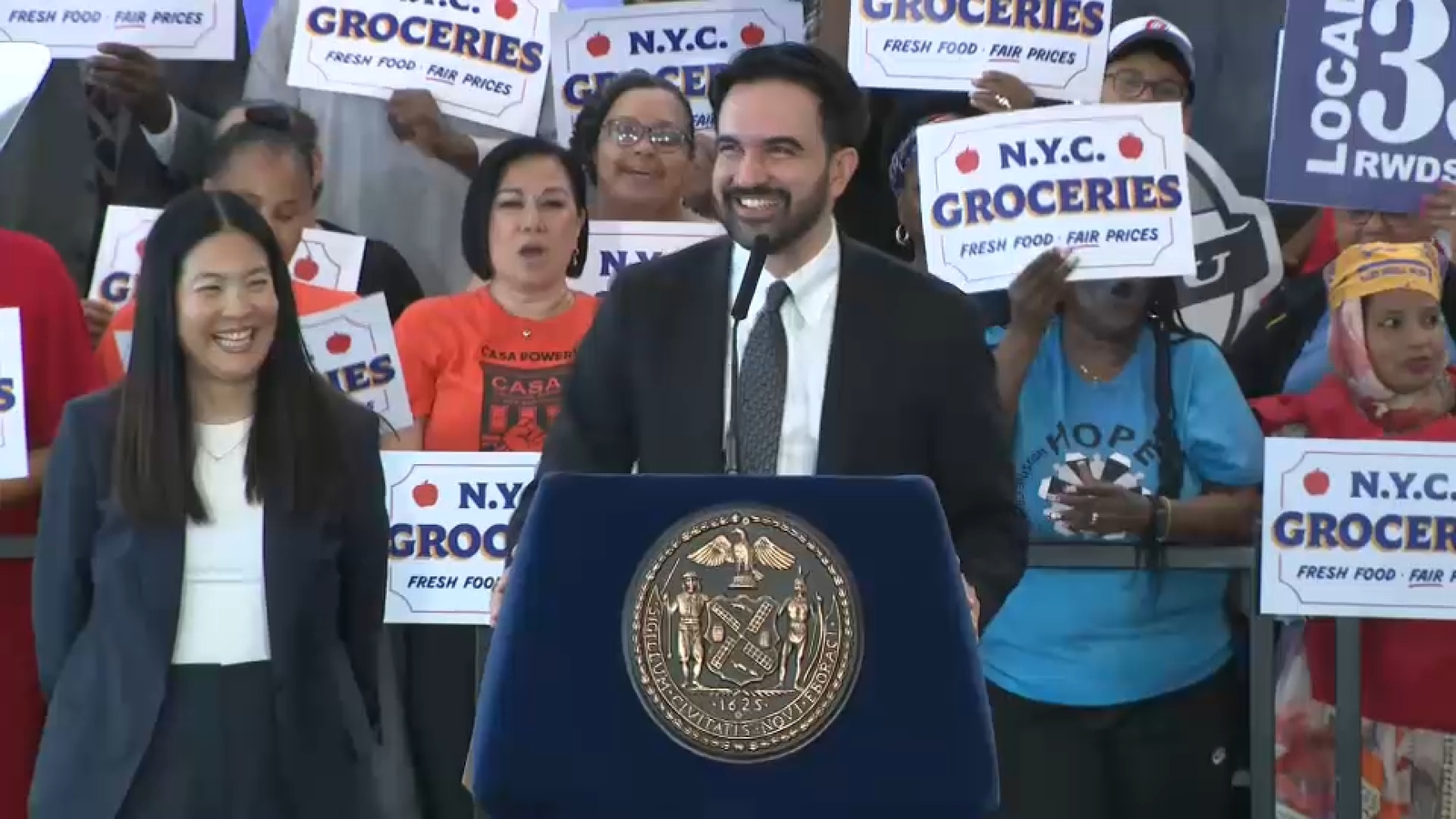
New York City is set to open its first municipally owned grocery store in the South Bronx by late 2027, marking a bold experiment in public ownership to combat soaring food prices and improve access to affordable groceries. Mayor Zohran Mamdani’s administration has allocated $70 million in capital funds to develop five city-run grocery stores across all five boroughs, with the Bronx location serving as the pilot. The initiative comes as grocery prices in NYC have risen nearly 66% over the past decade—far outpacing the national average—and as food insecurity remains a pressing issue in low-income neighborhoods.
The announcement, made earlier this month, positions the Mamdani administration as the first in modern U.S. History to establish a network of public grocery stores, directly challenging the corporate control of the food supply chain. While details about the Bronx site’s exact location and operational model remain under development, officials have emphasized that the stores will prioritize affordability by eliminating overhead costs like rent and construction markups that private grocers pass on to consumers. The project also aims to strengthen neighborhood food access, particularly in areas with limited supermarket options.
Critics, including some immigrant-led business groups, have raised concerns about potential competition with existing small grocers, though the administration has framed the initiative as complementary rather than disruptive. With the first store expected to open nearly two years from now, stakeholders—from local residents to private retailers—are closely watching how the pilot will unfold and whether it can deliver on its promise of meaningful savings for New Yorkers.
What We Know: Timeline, Funding and Locations
According to verified official statements from the Mamdani administration, the South Bronx store will be the first of five city-owned grocery locations, with the entire network planned for completion by the end of Mayor Mamdani’s first term. While the initial announcement in April 2026 identified La Marqueta in East Harlem as the first site (set to open in 2029), subsequent updates indicate the Bronx location will open in late 2027—a timeline accelerated to address urgent food access needs in the borough. The $70 million in capital funds will cover land acquisition, construction, and initial operating costs for all five stores.
The Bronx site’s selection reflects its status as a neighborhood with high food insecurity rates and limited access to affordable grocers. A 2025 report from the New York City Department of City Planning highlighted that nearly 30% of Bronx residents live in “food deserts,” areas with inadequate access to fresh produce and staples. The public grocery store is intended to fill this gap by offering competitive pricing on essential items while also serving as a community anchor.
“When corporations control every part of the food supply chain, prices go up, basic necessities become luxuries, and workers and customers both lose. A public option allows us to intervene where the market has failed.”
Why This Matters: Grocery Price Inflation in NYC
New York City’s grocery prices have risen at an alarming rate over the past decade, with staples like milk, eggs, and bread increasing by nearly 66%—a figure that far exceeds the national average of 33% over the same period. The inflation is driven by a combination of corporate consolidation in the food industry, rising rent and labor costs, and supply chain disruptions. For low-income New Yorkers, these price hikes have made basic groceries unaffordable, pushing some to rely on food banks or skip meals entirely.
The public grocery store initiative is designed to bypass these market failures by eliminating middlemen costs. The city will own the land and cover overhead expenses like rent and construction, allowing the stores to sell groceries at prices closer to wholesale. Preliminary estimates suggest savings of 15–25% on essential items compared to private supermarkets, though exact pricing will depend on operational efficiencies once the stores open.
The project also aligns with broader efforts by the Mamdani administration to address affordability in NYC. In May 2026, the mayor unveiled a $124.7 billion executive budget for Fiscal Year 2027, which included $31.7 million in additional funding for public libraries and reforms to accelerate affordable housing development. The grocery stores are part of this broader push to make essential services more accessible to all residents, regardless of income.
Who’s Involved—and Who’s Pushing Back?
The initiative has garnered support from community organizations focused on food justice, including the Food Bank for New York City, which has praised the move as a step toward reducing food insecurity. However, some immigrant-led business groups have expressed skepticism, arguing that public grocers could undercut small, family-owned stores that have long served underserved communities.
In a statement to World Today Journal, a spokesperson for the New York City Immigrant Business Coalition noted that while the goal of affordability is commendable, “small grocers in the Bronx have already faced immense pressure from corporate chains. We need to ensure that public stores do not become another tool for displacement.” The coalition has reportedly raised a $1 million war chest to advocate for policies that protect existing small businesses, though no specific legal challenges have been filed against the project.
The Mamdani administration has emphasized that the public grocery stores will operate as non-profits, with any profits reinvested into the program rather than distributed as dividends. Deputy Mayor Julie Su, who oversees economic development, has stated that the stores will prioritize hiring local residents and sourcing products from NYC-based suppliers to further stimulate the local economy.
What’s Next: Construction, Opening, and Expansion
With the Bronx store set to open in late 2027, the next critical milestones include:
- Site Selection and Community Meetings: Officials are currently finalizing the exact location in the South Bronx and will hold public hearings in the coming months to gather input from residents and stakeholders. Interested parties can monitor updates on the NYC Economic Development Corporation’s website.
- Construction Timeline: Groundbreaking is expected in early 2027, with the store aiming for a late-year opening. The Bronx location will serve as a test case for the remaining four boroughs, with East Harlem’s La Marqueta store following in 2029.
- Operational Model: Details on pricing, store hours, and product selection will be finalized in the coming months. The city has indicated that the stores will carry a full range of groceries, including fresh produce, dairy, and pantry staples, with a focus on locally sourced items.
- Funding Allocation: The $70 million in capital funds will be distributed across the five sites, with additional operational budgets to be determined by the NYC Council. The administration has not ruled out seeking further state or federal funding to support the initiative.
Key Takeaways
- First of Its Kind: NYC’s public grocery stores will be the first municipally owned grocery network in the U.S., challenging corporate control of the food supply chain.
- Affordability Focus: The stores aim to cut grocery costs by 15–25% by eliminating overhead expenses like rent and construction markups.
- Bronx Pilot: The South Bronx store will open in late 2027, with four additional locations planned across all five boroughs by 2029.
- Funding: $70 million in capital funds has been allocated, with potential for additional state/federal support.
- Community Impact: The initiative targets food deserts and aims to improve access to fresh, affordable groceries in underserved neighborhoods.
- Opposition: Some small business groups have raised concerns about competition, though the administration has framed the stores as complementary to existing retailers.
The next official update on the Bronx grocery store’s location and operational details is expected in September 2026, when the city will release a full construction timeline. In the meantime, residents can submit feedback or request information via the NYC 311 service or by contacting the NYC Economic Development Corporation.
Have questions about how this initiative could affect your neighborhood? Share your thoughts in the comments below or contact our team for more information.