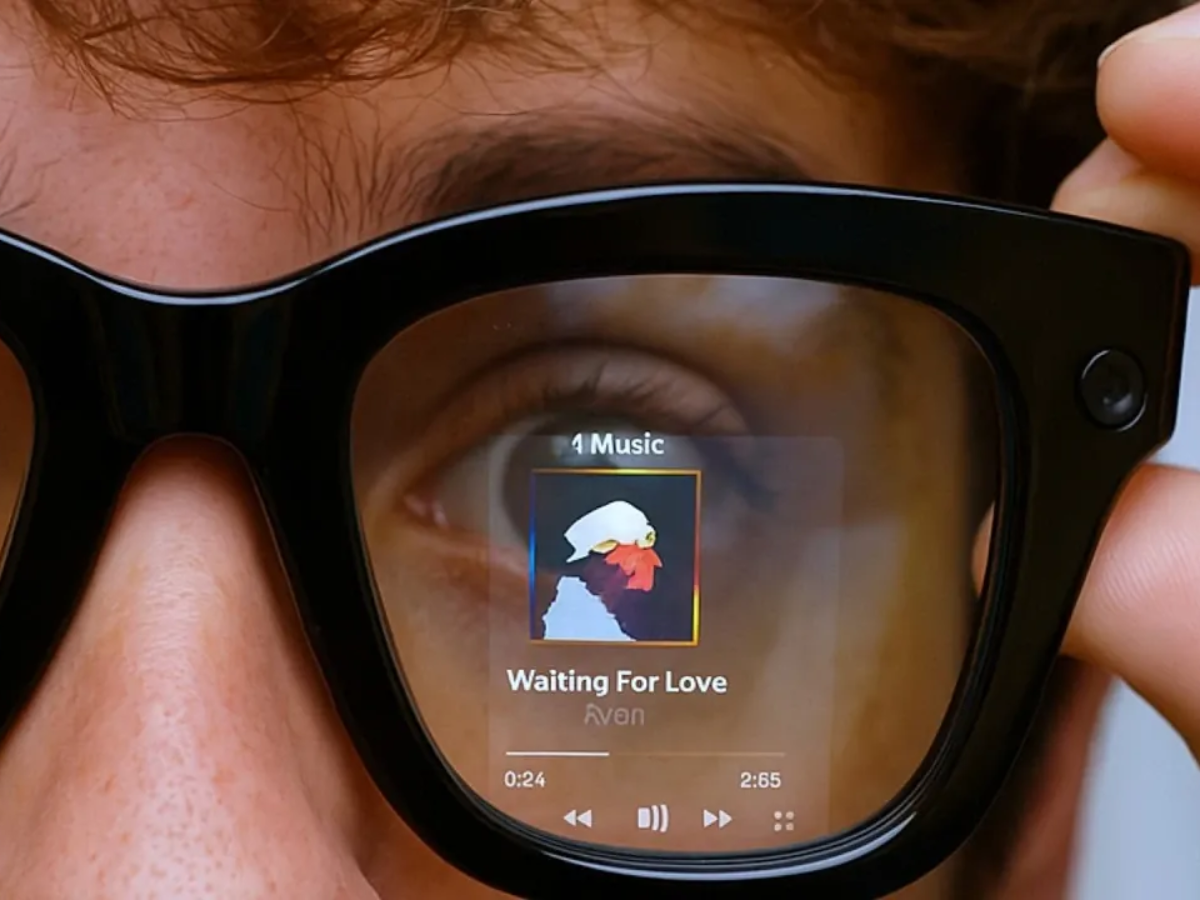
May 19, 2026 — 10:45 AM ET — Meta has taken a significant step toward expanding the capabilities of its Ray-Ban Display smart glasses by opening them to third-party developers for the first time. Through the newly launched Meta Wearables Device Access Toolkit, developers can now create apps that display content directly on the glasses’ in-lens screen, marking a pivotal moment in the evolution of wearable technology. This move comes as Meta prepares to compete in an increasingly crowded smart glasses market, with rivals like Google and Samsung gearing up to launch their own devices.
Unlike traditional app ecosystems that rely on dedicated app stores, Meta’s approach offers developers flexibility. They can build native apps using Android and iOS SDKs or create standalone web apps with HTML, CSS, and JavaScript, hosted via standard URLs. This dual approach eliminates the need for a centralized app marketplace, potentially lowering barriers for smaller developers and startups. The toolkit supports a range of interactive elements, including text, images, buttons, and video, enabling use cases from real-time navigation guides to micro-games and streaming tools.
As Meta pushes forward with this developer preview, the company is also rolling out new features to existing Ray-Ban Display users, further enhancing the glasses’ utility. These updates include gesture-based text input, screen recording, expanded navigation coverage, and improved live captioning—all designed to make the device more versatile for daily use. Meanwhile, Meta’s proprietary AI model, Muse Spark, developed by its Superintelligence Labs division, is set to debut on the Ray-Ban Display this summer, promising advanced conversational abilities and multi-agent task support.
Key Takeaways
- Developer Access: Meta has opened a preview program allowing third-party developers to build apps for Ray-Ban Display smart glasses using native SDKs or web technologies.
- Flexible Deployment: Apps can be built as native Android/iOS applications or as standalone web apps hosted via standard URLs, eliminating the need for a dedicated app store.
- New User Features: Existing users will soon gain gesture-based text input, screen recording, expanded navigation coverage, and improved live captioning.
- AI Integration: Meta’s proprietary AI model, Muse Spark, will be available on Ray-Ban Display this summer, enhancing conversational and multi-tasking capabilities.
- Market Context: The move comes ahead of competing smart glasses launches from Google and Samsung, signaling Meta’s push to solidify its position in the wearable tech space.
- Uncertain Timeline: Meta has not announced when the developer preview will transition to full public availability or when third-party apps will be accessible to all users.
Meta’s Ray-Ban Display Now Open to Third-Party Developers
Meta’s decision to open the Ray-Ban Display platform to third-party developers represents a strategic shift in how wearable technology is developed and consumed. Traditionally, smart glasses have been limited to proprietary apps and features, but Meta’s new Wearables Device Access Toolkit changes that dynamic. By providing access to the in-lens display, developers can now create applications that overlay information directly into the user’s field of view, blending digital and physical experiences seamlessly.
Here’s not just an expansion of functionality—it’s a redefinition of what smart glasses can do. The toolkit supports a variety of interactive elements, including:
- Text and image overlays
- Buttons and touch-sensitive controls
- Video playback
- Real-time data feeds
- Micro-apps and mini-games
Developers can also integrate with the Ray-Ban Display’s Neural Band, a gesture-control system that allows users to interact with apps using hand movements. Early use cases highlighted by Meta include navigation guides, streaming tools, and interactive games—all designed to enhance productivity, entertainment, and accessibility.
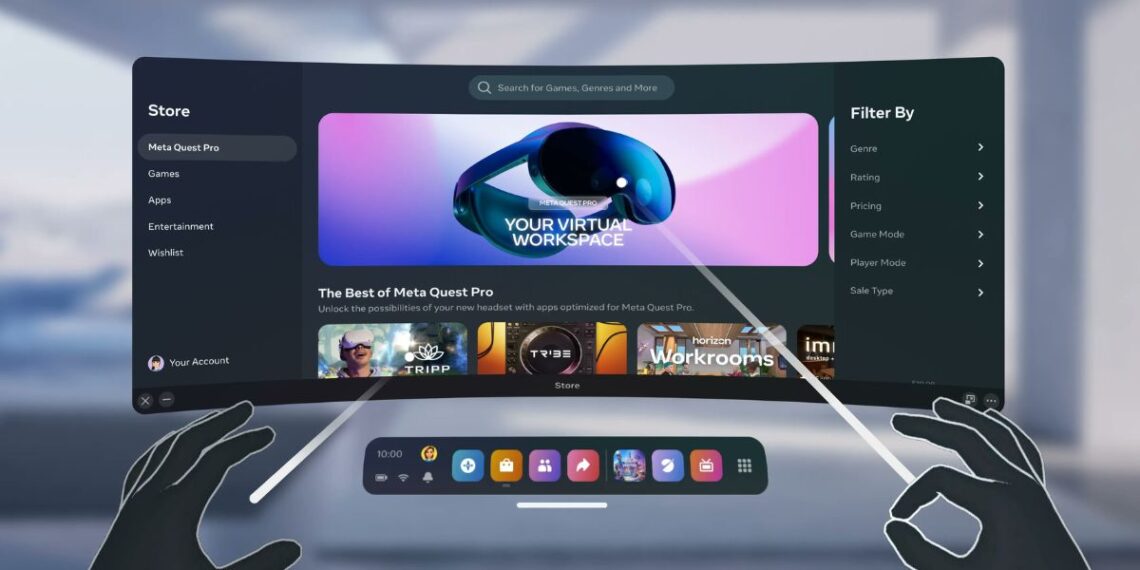
One of the most notable aspects of this initiative is Meta’s decision to allow both native and web-based app development. While many platforms restrict developers to native apps, Meta’s approach offers greater flexibility. Developers can choose to build apps using Android and iOS SDKs for deeper integration or create lightweight web apps using standard web technologies. These web apps can be hosted on any URL, meaning developers don’t need to submit their creations to a centralized app store—a process that can be time-consuming and restrictive.
However, Meta has not specified whether there will be restrictions on the types of apps that can be submitted or if a review process will be in place. Given that this is currently a developer preview, the company may introduce guidelines or moderation policies as the program evolves. For now, the focus appears to be on fostering innovation and testing the waters before scaling up.
New Features Rolling Out to Ray-Ban Display Users
While developers explore the potential of the new toolkit, existing Ray-Ban Display users are also set to benefit from a series of updates designed to enhance usability and functionality. Meta has announced four key features that will be rolling out in the coming weeks:
- Neural Handwriting: A gesture-based text input system that allows users to write in the air using the Neural Band, converting hand movements into digital text.
- Display Recording: Users will be able to record what appears on their in-lens screen, making it easier to capture and share content.
- Expanded Navigation Coverage: Turn-by-turn navigation will now be available in major U.S. Cities and key European destinations, improving the glasses’ utility for travelers and commuters.
- Broader Live Caption Support: Enhanced live captioning will make it easier for users to follow conversations, lectures, or media in real time.
Meta’s Muse Spark AI model, developed by its Superintelligence Labs division, will be integrated into the Ray-Ban Display this summer. Muse Spark is designed to handle complex conversational tasks, assist with shopping, and support multi-agent interactions—features that align with Meta’s broader vision for AI-powered wearables. While details on how Muse Spark will function specifically on the Ray-Ban Display are still limited, Meta has indicated that it will bring similar capabilities to those being introduced across its other smart glasses platforms.
Why Meta Is Opening the Platform to Third-Party Developers Now
The timing of Meta’s move to open the Ray-Ban Display to third-party developers is strategic. Launched in September 2025, the glasses have already received several updates, including new widgets, media controls, and messaging tools. However, the platform has largely relied on Meta’s internal development team to drive innovation.
By opening the platform to external developers, Meta is not only democratizing access to smart glasses technology but also positioning itself to compete in a rapidly evolving market. Competitors like Google and Samsung are preparing to launch their own smart glasses, many of which will run on Google’s Android XR platform. Meta’s decision to embrace third-party development could help it attract a broader ecosystem of creators, ensuring that the Ray-Ban Display remains relevant and competitive.
this move aligns with Meta’s broader strategy of fostering innovation in wearable technology. By providing developers with the tools to experiment and build, Meta can accelerate the development of new use cases and applications, ultimately making the Ray-Ban Display more appealing to consumers. The company has not yet announced a timeline for when the developer preview will transition to full public availability, but the preview phase is expected to evolve as more developers engage with the platform.
What This Means for Developers and Consumers
For developers, Meta’s new toolkit presents both opportunities and challenges. The ability to build apps for a growing wearable platform could attract indie developers and startups looking to explore new hardware categories. However, the lack of clear guidelines on app submission and moderation may create uncertainty. Developers will need to stay informed about Meta’s policies as they evolve, particularly if restrictions or review processes are introduced.

For consumers, the opening of the Ray-Ban Display to third-party apps could lead to a richer ecosystem of applications. Imagine using a navigation app that overlays directions directly onto your field of view, or a fitness tracker that displays real-time stats without needing to pull out your phone. The potential for innovation is vast, and as more developers join the platform, users can expect a wider range of tools tailored to their needs.
That said, the success of this initiative will depend on several factors. Will developers embrace the platform? Will Meta provide sufficient support and documentation? And most importantly, will consumers adopt third-party apps for their smart glasses? The answers to these questions will shape the future of the Ray-Ban Display and the broader smart glasses market.
Next Steps and What to Watch For
Meta has not provided a specific timeline for when the developer preview will conclude or when third-party apps will become widely available to all Ray-Ban Display users. However, given the competitive landscape and the rapid pace of innovation in wearable technology, it’s likely that updates will come sooner rather than later.
Developers interested in participating in the preview can visit Meta’s official developer portal for more information on accessing the toolkit and submitting their apps. Meanwhile, existing Ray-Ban Display users can look forward to the upcoming feature updates, which will begin rolling out in the coming weeks.
As the smart glasses market continues to evolve, Meta’s decision to open its platform to third-party developers is a bold step toward shaping the future of wearable technology. Whether this move will solidify Meta’s leadership in the space or simply add another layer of competition remains to be seen—but one thing is clear: the era of third-party smart glasses apps has arrived.
What do you think about Meta’s new developer toolkit for Ray-Ban Display? Will third-party apps make smart glasses more useful, or will they create fragmentation? Share your thoughts in the comments below.
For the latest updates on Meta’s Ray-Ban Display and its developer program, follow Meta’s official developer resources. If you’re a developer interested in building for wearables, explore the Meta Wearables Device Access Toolkit to get started.