
The Russian Foreign Ministry has recently intensified its diplomatic rhetoric regarding the United Nations, alleging that the international body has created systemic barriers preventing witnesses and representatives from volunteer organizations from participating in key forums. Russian Ambassador-at-Large Rodion Miroshnik, speaking to state media, claimed that these organizations—which seek to present testimony concerning the ongoing conflict in Ukraine—have faced repeated delays and formal denials when attempting to secure accreditation for UN-linked events.
This development underscores the growing friction between Moscow and international institutions over the documentation and interpretation of the conflict. At the heart of the dispute is the mechanism of UN accreditation, which serves as a gateway for non-governmental organizations (NGOs) to interact with international diplomatic processes. According to the claims raised by the Russian Foreign Ministry, these administrative hurdles are effectively silencing voices that they argue are essential for a comprehensive understanding of the situation on the ground.
The Mechanics of Accreditation and Diplomatic Access
The accreditation process for international meetings, particularly those involving the United Nations Security Council or its subsidiary bodies, is governed by strict procedural rules. Access for NGOs and civil society actors is often facilitated through the Economic and Social Council (ECOSOC) consultative status, which allows organizations to engage with UN proceedings. However, the requirements for this status are rigorous, demanding transparency, alignment with the UN Charter, and adherence to specific governance standards.
The United Nations has historically maintained that its accreditation processes are designed to ensure the integrity of its proceedings and the safety of its participants. While the Russian Foreign Ministry has characterized the denials as a form of bias, international observers often point to the complexity of these bureaucratic requirements. For organizations operating in active conflict zones, providing the necessary documentation to satisfy UN criteria can be a significant challenge. The UN ECOSOC Committee on Non-Governmental Organizations oversees these applications, and its decisions are frequently subject to intense scrutiny by member states, reflecting broader geopolitical divisions within the assembly.
Geopolitical Tensions Within the Security Council
The accusations regarding witness accreditation arrive at a time when the United Nations Security Council (UNSC) remains deeply divided over the conflict in Ukraine. Russia, as a permanent member of the UNSC, holds veto power, a position that has frequently led to gridlock when the council attempts to pass resolutions or authorize collective action. The United Nations Charter outlines the council’s primary responsibility for the maintenance of international peace and security, yet the body’s ability to act has been hampered by these persistent disagreements.
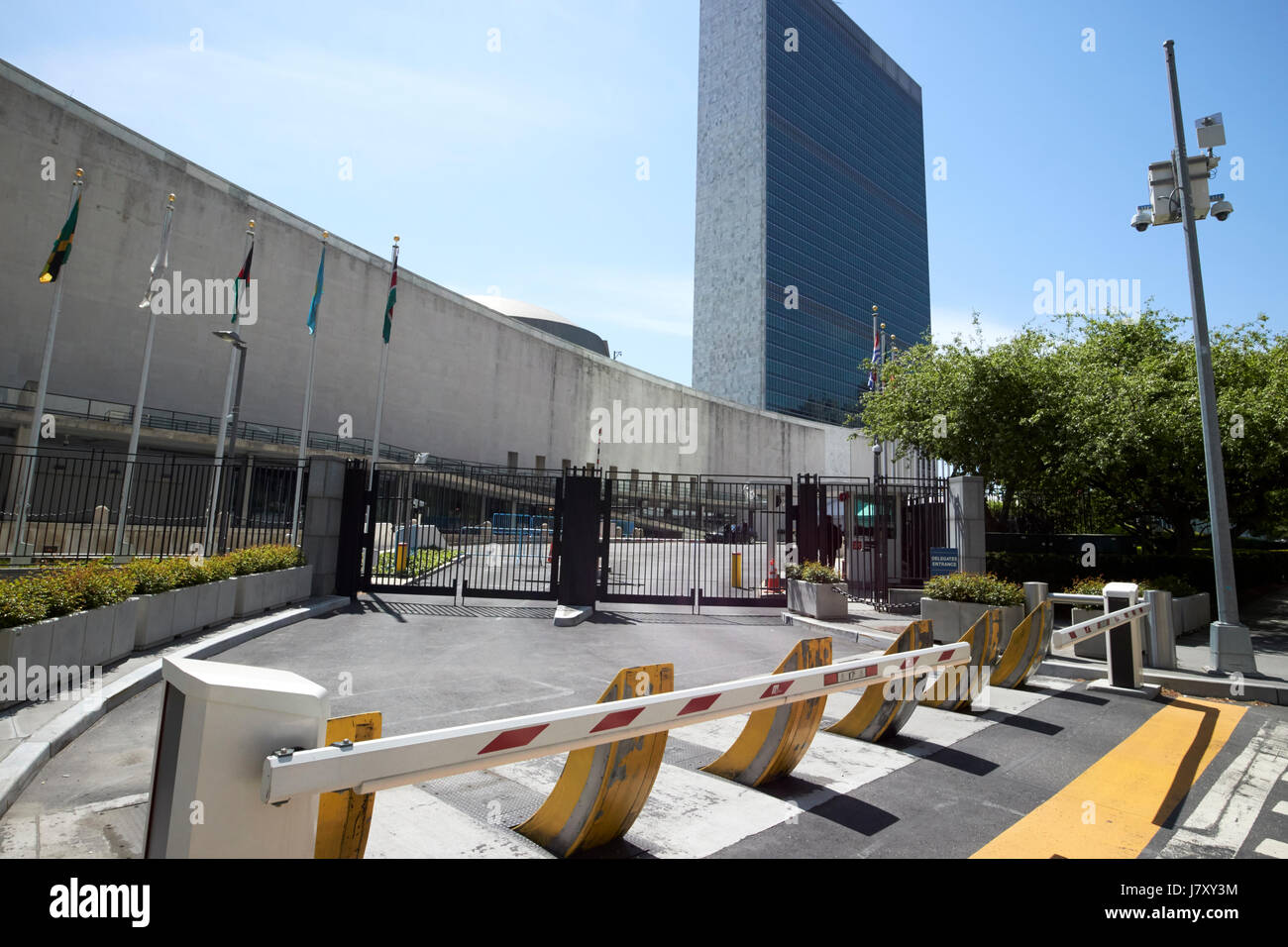
Critics of the current UN structure often argue that the veto power held by the P5 (the five permanent members) prevents the organization from effectively addressing crises where those members are directly involved. This dynamic has led to calls for institutional reform, particularly regarding how the UN handles testimony and evidence during international crises. However, any movement toward modifying the council’s rules of procedure faces immense diplomatic hurdles, as it would require broad consensus among the most powerful nations in the world.
The Role of Civil Society in International Forums
The inclusion of non-governmental organizations in international forums is intended to provide a “bottom-up” perspective, offering insights from those directly affected by conflict or humanitarian crises. When these voices are excluded, or when the process of inclusion is contested, the legitimacy of the resulting diplomatic outcomes can be called into question by the participating parties.
For the Russian delegation, the focus remains on ensuring that specific volunteer organizations have the platform to present their findings. From the perspective of the UN secretariat, the priority remains the consistent application of established rules for participation to ensure that all speakers adhere to the decorum and procedural standards of the institution. As the conflict continues, the debate over who gets a seat at the table—and who is denied that opportunity—is likely to remain a flashpoint in international diplomacy.
Moving Forward: What to Watch
While the Russian Foreign Ministry continues to highlight these grievances, the immediate path forward for international diplomacy remains centered on the regular sessions of the Security Council and the General Assembly. Observers should monitor the following areas for further developments:
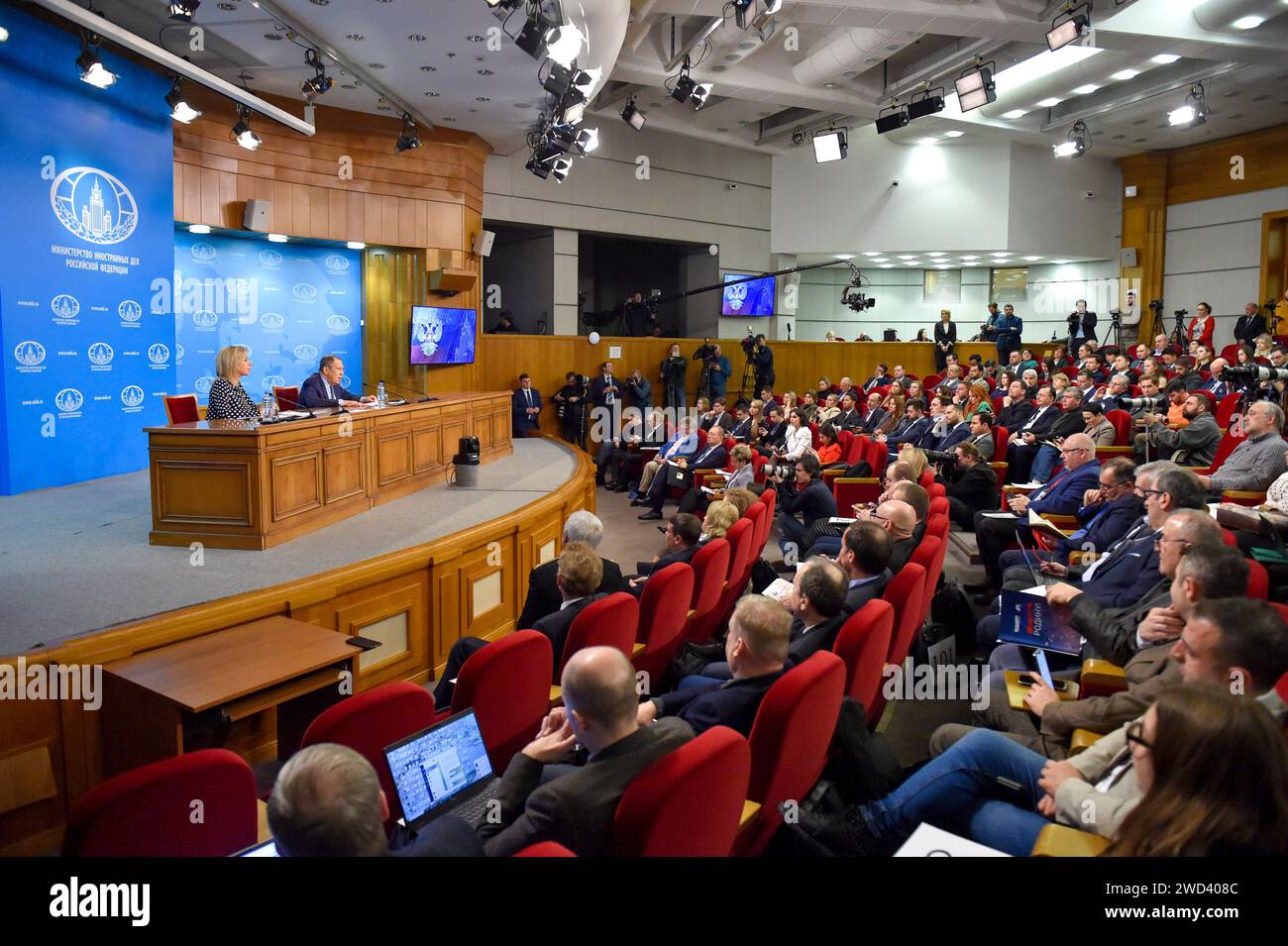
- Upcoming Security Council Briefings: Check for official updates regarding the list of speakers and invited participants for upcoming sessions on Ukraine, as these lists often indicate which organizations have been granted access.
- ECOSOC Committee Updates: The Economic and Social Council frequently publishes reports on the status of NGO applications, which provide the most accurate data on accreditation trends.
- Diplomatic Statements: Monitor the daily press briefings from the UN spokesperson’s office for any formal responses to these specific allegations of bias.
As the situation develops, the balance between maintaining rigorous standards for accreditation and ensuring inclusive participation will remain a central challenge for the United Nations. Whether these administrative disputes lead to any formal changes in procedure remains to be seen, but they serve as a reminder of how deeply the conflict in Ukraine continues to influence the day-to-day operations of global governance.
We invite our readers to share their perspectives on this issue in the comments section below. For ongoing coverage of international affairs and the work of the United Nations, please continue to follow our World section.