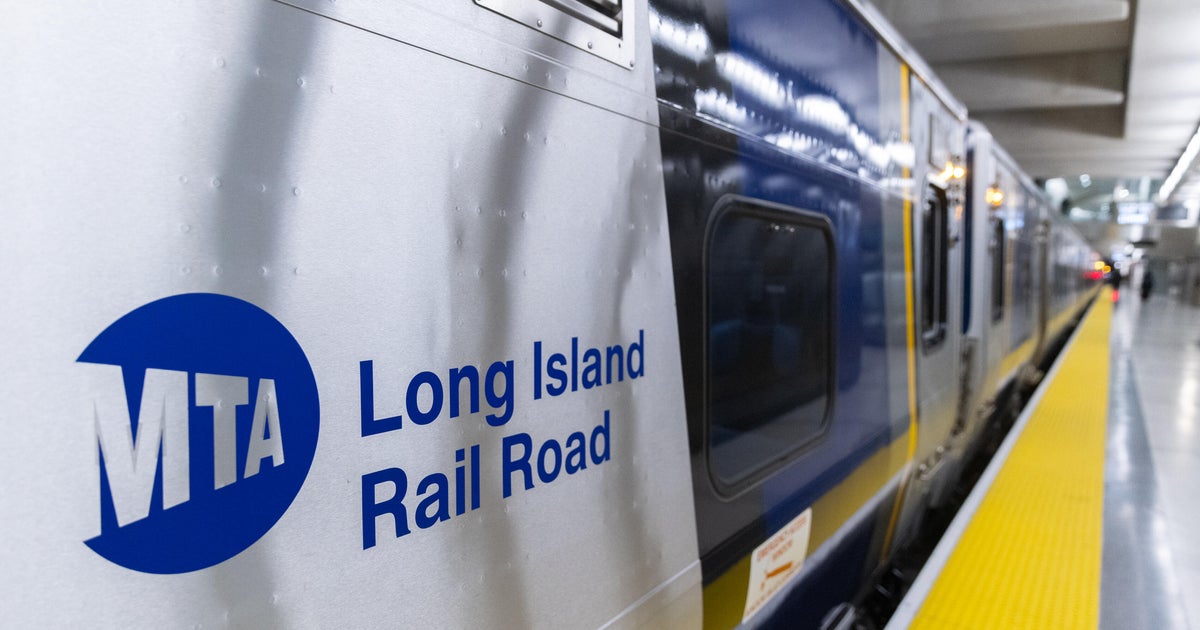
New York, May 19, 2026 — After weeks of commuter chaos and economic strain, the Long Island Rail Road (LIRR) strike has come to an end as the Metropolitan Transportation Authority (MTA) and its labor unions announced a tentative agreement on Monday. The deal, which follows days of tense negotiations, will restore full service to the largest commuter railroad in the United States, easing disruptions that had snarled travel for hundreds of thousands of daily riders.
The strike, which began on May 5, had left commuters stranded, businesses struggling, and officials scrambling to mitigate the fallout. The LIRR, which serves over 350,000 daily riders across Long Island and into New York City, had seen service reductions, delays, and temporary shutdowns as workers walked off the job in protest over wages, benefits, and working conditions. The tentative agreement, while not yet finalized, marks a critical step toward resolving one of the most significant labor disputes in the New York transit system in years.
For commuters, the news comes as a relief. The strike had forced many to turn to alternative transportation, including buses, rideshares, and even private vehicles, leading to increased congestion on already crowded roads. The MTA had deployed emergency shuttle services and expanded bus routes, but these measures were not enough to fully offset the disruption. The agreement, if ratified, will allow the LIRR to resume normal operations, restoring a sense of normalcy to daily commutes.
What Led to the Strike and Why It Mattered
The LIRR strike was not an isolated event but part of a broader wave of labor unrest in the transportation sector. Workers cited concerns over wages that had not kept pace with inflation, inadequate staffing levels, and deteriorating working conditions as key factors in their decision to walk off the job. The LIRR, a critical artery for commuters traveling between Long Island and Manhattan, had become a flashpoint for labor tensions, with unions arguing that the MTA had failed to address their demands in good faith.
According to the MTA, the strike had cost the agency an estimated $10 million per day in lost revenue and operational expenses. The economic impact extended beyond the MTA, affecting local businesses, schools, and government services that rely on reliable transit. For many commuters, the strike was more than an inconvenience—it was a disruption to their livelihoods, with some facing long commutes or even being unable to report to work.
The MTA, meanwhile, had framed the negotiations as a balancing act between the needs of workers and the financial realities of running a large-scale transit system. The authority had pointed to recent investments in infrastructure and service improvements, including upgrades to aging tracks and the introduction of new trains, as evidence of its commitment to improving conditions for employees. However, unions argued that these improvements had not translated into fair compensation or job security.
The Tentative Agreement: Key Terms and Next Steps
While the specifics of the tentative agreement have not yet been fully disclosed, sources close to the negotiations indicate that the deal includes provisions related to wage increases, benefits enhancements, and improvements to working conditions. The MTA and unions have emphasized that the agreement is a result of collaborative discussions and a shared commitment to finding a solution that works for both workers and the agency.
One of the most significant aspects of the agreement is the inclusion of a multi-year contract, which is expected to provide stability for both workers and the MTA. This approach aims to avoid future labor disputes by addressing concerns upfront and establishing clear expectations for the future. The MTA has also signaled its willingness to explore additional measures to improve job satisfaction, including mental health support and training programs for employees.
However, the agreement is not yet final. Both the MTA and the unions must now move to ratify the deal, a process that could take several days. If ratified, the LIRR is expected to resume full service within 48 hours, allowing commuters to return to their normal routines. The MTA has urged patience during this period, noting that any delays will be minimal and that the priority remains restoring service as quickly and smoothly as possible.
Who Is Affected and What Happens Next?
The LIRR strike has had far-reaching consequences, affecting not only commuters but also the broader economy of the New York metropolitan area. Here’s a breakdown of the key stakeholders and what they can expect moving forward:
- Commuters: Daily riders can expect a return to normal service once the agreement is ratified. The MTA has advised passengers to check for updates on its official website and mobile app, as schedules may undergo minor adjustments in the coming days.
- Workers: LIRR employees will see changes to their wages, benefits, and working conditions under the tentative agreement. The exact details will be communicated by union leadership once the contract is finalized.
- Businesses: Local shops, restaurants, and offices that rely on commuter traffic will benefit from the restoration of service, which is expected to boost foot traffic and economic activity.
- Taxpayers: The MTA operates with public funds, and the resolution of the strike will likely have implications for future budgets. While the immediate financial impact of the strike has been significant, officials have indicated that the long-term benefits of a stable workforce and improved service will outweigh the costs.
For those who have been affected by the strike, the MTA has provided resources to help ease the transition back to normalcy. Commuters can visit the MTA website for the latest updates on service changes, fare adjustments, and alternative transportation options. The authority has also encouraged riders to provide feedback on their experiences during the strike, as this information will be used to improve future responses to labor disputes.
Broader Implications: Labor Relations in Transit Systems
The LIRR strike is part of a larger trend of labor unrest in the transportation sector, with similar disputes unfolding in cities across the United States. In Washington, D.C., for example, the Washington Metropolitan Area Transit Authority (WMATA) has faced its own challenges with labor negotiations, including a recent construction project that disrupted service for thousands of commuters. These disputes highlight the ongoing tension between the need for reliable transit services and the demands of workers who keep those services running.
Experts suggest that the resolution of the LIRR strike could serve as a model for other transit agencies grappling with similar issues. By prioritizing collaboration and addressing the root causes of labor dissatisfaction, the MTA may be able to avoid future disruptions while also improving the overall quality of service for commuters. The agreement also underscores the importance of multi-year contracts in providing stability for both workers and employers in an industry where labor disputes can have significant economic consequences.
What’s Next for the MTA and LIRR?
With the tentative agreement in place, the focus now shifts to the ratification process. The MTA and unions have set a deadline of May 22, 2026, by which time they expect the contract to be finalized and approved. Once ratified, the LIRR will resume full operations, and the MTA will begin implementing the agreed-upon changes to wages, benefits, and working conditions.
Looking ahead, the MTA has outlined several key priorities for the coming months, including:
- Finalizing the details of the new labor agreement and communicating them to employees.
- Restoring any residual disruptions to service caused by the strike.
- Continuing investments in infrastructure upgrades and fleet modernization.
- Engaging with other labor groups to address any outstanding concerns and prevent future strikes.
For commuters, the end of the strike is a welcome development, but the MTA has advised that some adjustments to schedules and services may still occur in the short term. Riders are encouraged to stay informed by following official updates from the MTA and to provide feedback on their experiences as the system returns to normal.
Key Takeaways
- The LIRR strike has officially ended after the MTA and unions reached a tentative agreement.
- The deal includes provisions for wage increases, benefits enhancements, and improved working conditions.
- Full service is expected to resume within 48 hours of the agreement being ratified.
- The resolution highlights the broader challenges of labor relations in the transit sector.
- Commuters and workers should monitor official updates for further details on the implementation of the agreement.
As the LIRR strike draws to a close, it serves as a reminder of the critical role that labor negotiations play in maintaining the reliability of public transit systems. For commuters, the end of the strike means a return to normalcy, but for the MTA and its workers, it also marks the beginning of a new chapter in their relationship. The success of this agreement will be measured not only in the immediate restoration of service but also in its ability to foster long-term stability and cooperation.
For those interested in following further developments, the MTA’s official website and social media channels will provide the most up-to-date information. As always, we encourage readers to share their experiences and insights in the comments below.
Worth a look