
Fibermaxxing—loading up on dietary fiber—has become one of the most talked-about nutrition trends of 2026, and for solid reason. With over 90% of women and 97% of men in the U.S. Failing to meet the recommended daily fiber intake, experts say this simple shift could transform public health. But is fibermaxxing more than just a fleeting social media fad? And how can you incorporate it into your diet without overhauling your meals? As a physician and health journalist, I’ve examined the science, the hype, and the practical steps to make fibermaxxing work for you.
The trend gained traction in early 2025, as dietitians and public health officials highlighted the alarming gap between recommended and actual fiber consumption. The U.S. Department of Health and Human Services reports that most adults consume only about 15 grams of fiber daily—far below the 25 grams for women and 38 grams for men. Meanwhile, global food trends for 2026 emphasize fiber as a key macronutrient, alongside protein, as consumers prioritize gut health and chronic disease prevention. But what exactly is fibermaxxing, and why does it matter beyond digestive health?
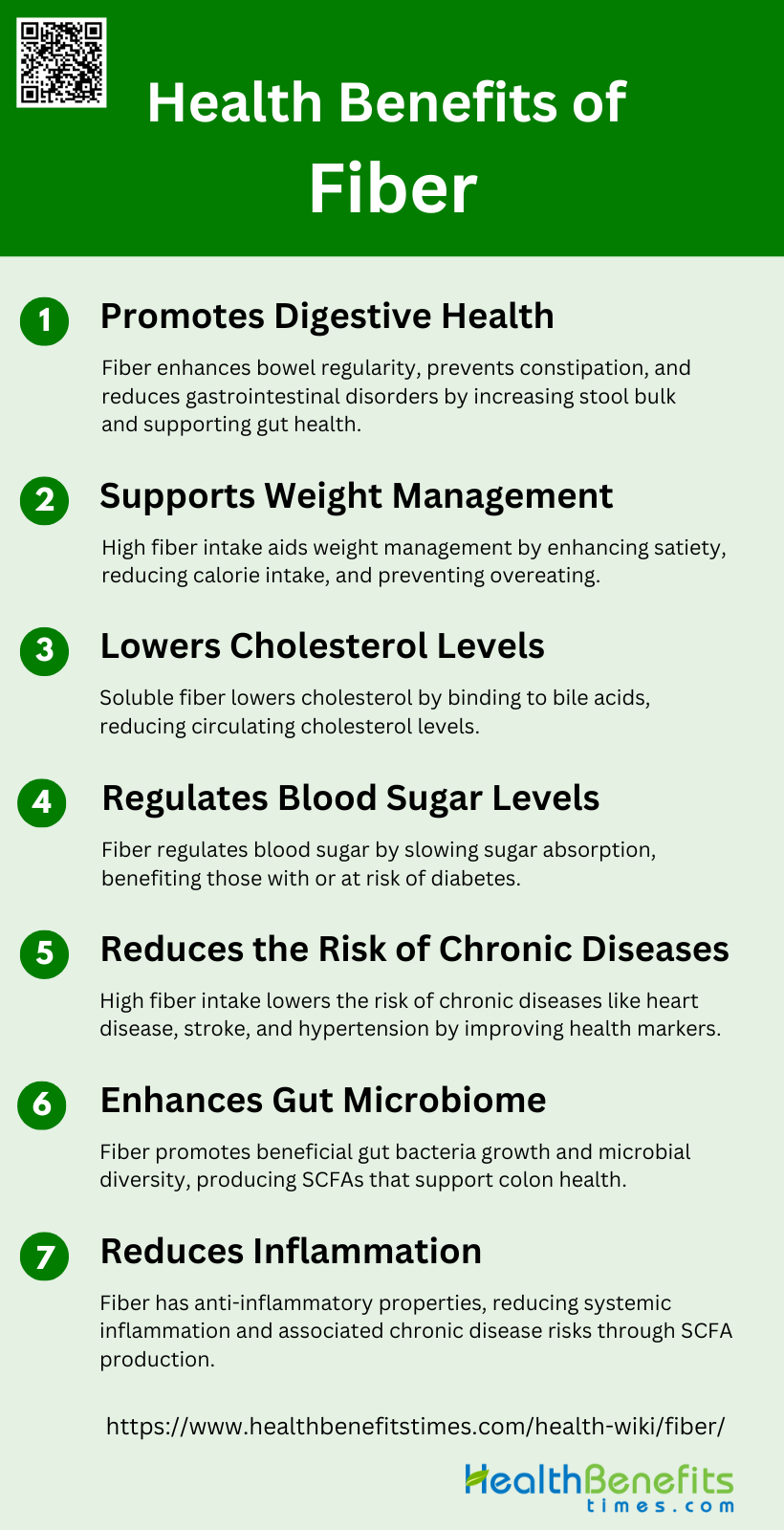
Fiber isn’t just “roughage”—it’s a critical player in metabolic health, heart disease risk, and even weight management. Soluble fiber, found in oats, beans, and apples, binds to cholesterol and slows digestion, while insoluble fiber, present in whole grains and vegetables, keeps the digestive system moving smoothly. Together, they feed the gut microbiome, which is now recognized as a cornerstone of overall wellness. Yet despite its benefits, fiber remains one of the most overlooked nutrients in modern diets. This article cuts through the noise to explain how fibermaxxing can be a sustainable, science-backed upgrade to your eating habits.
What Is Fibermaxxing?
Fibermaxxing is the deliberate effort to increase dietary fiber intake to meet or exceed official recommendations. The term emerged in late 2025 as dietitians and nutritionists pushed back against the dominance of protein-focused diets, arguing that fiber’s benefits—from blood sugar control to reduced inflammation—are equally vital. “Most people are getting around half of what they need,” says Yasi Ansari, RDN, senior dietitian at UCLA Santa Monica Medical Center. “Fibermaxxing isn’t about deprivation; it’s about adding more of the right foods to your plate.”

Unlike extreme trends like chia water or sea moss gel, fibermaxxing is rooted in established dietary guidelines. The U.S. Department of Health and Human Services and the World Health Organization both emphasize fiber as a non-negotiable component of a healthy diet. Yet the average American diet falls short, partly due to processed foods and refined grains. Fibermaxxing flips the script by making fiber the star of the meal—whether through whole grains, legumes, or high-fiber snacks.
Key Takeaway: Fibermaxxing isn’t a diet; it’s a habit shift toward foods that naturally deliver fiber, such as:
- Soluble fiber: Oats, lentils, apples, flaxseeds
- Insoluble fiber: Whole wheat, nuts, berries, vegetables
Why Fibermaxxing Matters: The Science Behind the Trend
Fiber’s health benefits are well-documented, but recent research has underscored its role in preventing chronic diseases. A 2025 meta-analysis published in The Journal of the American Heart Association found that every 10-gram increase in daily fiber intake was associated with a 9% lower risk of cardiovascular disease. Similarly, studies in Diabetologia linked higher fiber consumption to improved blood sugar regulation, reducing the risk of type 2 diabetes by up to 25% in high-risk individuals.

Beyond heart and metabolic health, fiber supports gut microbiome diversity, which is increasingly linked to immune function and mental health. “The gut-brain axis is a hot topic in nutrition,” Ansari notes. “Fiber acts as a prebiotic, feeding the good bacteria in your gut that produce neurotransmitters like serotonin.” This connection explains why fiber-rich diets are being studied for their potential to reduce symptoms of anxiety and depression.
Yet the benefits extend further. Fiber promotes satiety, helping with weight management by reducing calorie intake between meals. And unlike many nutrition trends, fibermaxxing doesn’t require expensive supplements or restrictive eating—it’s about swapping out refined carbs for whole foods.
Fibermaxxing in Practice: How to Start
Transitioning to a higher-fiber diet doesn’t mean eating bland meals. The key is gradual substitution and smart pairing. For example:
- Breakfast: Swap white toast for whole-grain bread or add chia seeds to yogurt.
- Lunch: Choose brown rice or quinoa instead of white rice, and add a side of lentils or roasted vegetables.
- Dinner: Opt for whole-wheat pasta or a salad with a variety of colorful vegetables.
- Snacks: Replace chips with air-popped popcorn, nuts, or fruit with the skin on.
Dietitians recommend aiming for 5–10 grams of fiber per meal. Start by adding one high-fiber food to each meal and gradually increase. For instance, if you currently eat 15 grams of fiber a day, adding a bowl of oatmeal (4 grams), a cup of lentils (15 grams), and an apple (4 grams) could easily push you toward your daily goal.
One common pitfall is increasing fiber too quickly, which can cause bloating or gas. To avoid this, drink plenty of water and introduce fiber-rich foods slowly. Ansari advises: “Think of it like a marathon, not a sprint. Your gut microbiome needs time to adapt.”
Debunking the Myths: What Fibermaxxing Isn’t
Despite its growing popularity, fibermaxxing has faced skepticism. Some critics argue that the trend is just another way for food companies to market processed “high-fiber” snacks. While it’s true that some products—like fiber-fortified cereals or protein bars—can be part of a balanced diet, they shouldn’t replace whole foods. “A muffin with added fiber isn’t the same as eating an apple,” Ansari clarifies. “Whole foods provide fiber along with vitamins, minerals, and antioxidants that processed foods can’t replicate.”
Another misconception is that fibermaxxing is only for those with digestive issues. While fiber is indeed beneficial for constipation and regularity, its advantages span the entire body. “Fiber is a foundational nutrient, like protein or healthy fats,” says Alyssa Smolen, MS, RDN, CDN. “It’s not just about keeping things moving—it’s about long-term health.”
The Future of Fibermaxxing: What’s Next?
As fibermaxxing gains momentum, food manufacturers are responding with innovative products. Plant-based meats, fiber-enriched snacks, and even fiber-fortified beverages are hitting shelves, though experts urge caution. “Not all fiber sources are created equal,” Smolen warns. “Look for foods with at least 3–5 grams of fiber per serving and minimal added sugars.”
Public health officials are also taking notice. The 2025–2030 Dietary Guidelines for Americans included fiber as a priority area, urging Americans to double their intake over the next decade. Meanwhile, global food trends suggest fibermaxxing will continue to grow, particularly in regions where processed foods dominate. “This isn’t just a U.S. Trend,” notes Maggie Lei of the Johns Hopkins Center for a Livable Future. “It’s a global shift toward recognizing fiber as a cornerstone of nutrition.”
For individuals, the next step is simple: start small, stay consistent, and focus on whole foods. Whether you’re aiming to improve gut health, manage weight, or reduce chronic disease risk, fibermaxxing offers a practical, evidence-based path forward.
Key Takeaways
- Fibermaxxing is a science-backed trend focused on increasing dietary fiber to meet official recommendations (25–38 grams daily).
- Fiber supports heart health, blood sugar control, gut microbiome diversity, and weight management.
- Start by adding high-fiber foods to meals gradually to avoid digestive discomfort.
- Whole foods (fruits, vegetables, whole grains, legumes) are superior to processed fiber sources.
- Fibermaxxing aligns with global health priorities, including the 2025–2030 Dietary Guidelines for Americans.
As fibermaxxing evolves, the focus remains on accessibility and education. The next official update on dietary guidelines is expected in early 2027, but in the meantime, small changes to your plate can have a big impact. Have you tried fibermaxxing? Share your tips and experiences in the comments below—or tag us on social media with #FiberMaxxing.
Keep reading