
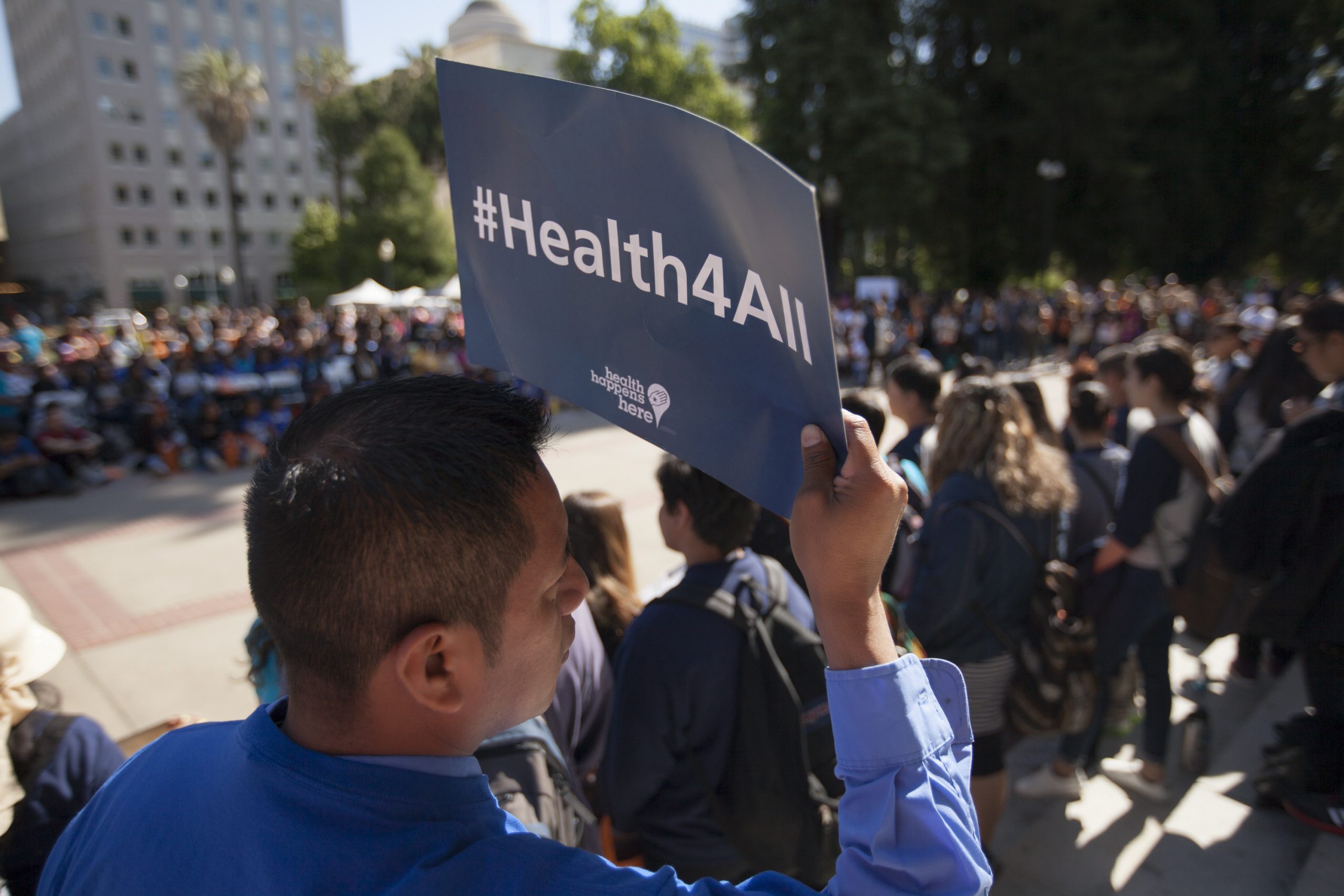
As California navigates the final stages of its fiscal planning for the 2026-2027 cycle, a central pillar of the state’s recent public health strategy—the Health4All initiative—faces significant scrutiny. The program, which expanded full-scope Medi-Cal coverage to undocumented residents, has been credited with helping drive the state’s uninsured rate to approximately 6 percent, according to data from the California Department of Health Care Services. As negotiations between the Newsom Administration and the Legislature intensify this May, stakeholders are calling for a reversal of proposed budgetary adjustments that could impact access to care for over a million residents.
The current debate centers on the Governor’s May Revision, a fiscal blueprint that outlines proposed shifts in how medical services are delivered and funded for individuals with “Unsatisfactory Immigration Status” (UIS). Advocates argue that maintaining the integrity of these health programs is essential for protecting the gains made in preventative care and chronic disease management. For many, the central question is whether the state can balance its fiscal obligations while ensuring that the most vulnerable populations retain access to the medical support systems they have come to rely on over the past several years.
Proposed Budgetary Shifts and Their Impact
The May Revision includes several proposals that have drawn concern from advocacy groups, particularly regarding the structure of Medi-Cal benefits. One of the most prominent items is the proposed transition of individuals with UIS from managed care plans to a Fee-for-Service (FFS) model. While FFS was the standard for the Medi-Cal system until the mid-2010s, the state has since shifted the vast majority of its beneficiaries into managed care, which typically provides coordinated care and additional community support services, as noted by the Department of Health Care Services.
Beyond the structural transition, advocates are urging the Governor and legislators to reconsider several specific budgetary cuts and requirements:

- The potential removal of adult dental benefits for individuals with UIS, slated for July 2026.
- The implementation of a monthly premium for adults with UIS aged 19-59, which has been proposed to increase to $50 in the latest revisions.
- The reinstatement of an enrollment freeze for older adults over age 50.
- The introduction of work requirements that exceed federal mandates.
- A proposed $2,000 asset limit that critics argue could disincentivize enrollment and push individuals toward financial instability.
there is significant concern regarding the status of roughly 200,000 humanitarian immigrants, including refugees and asylees. Current proposals suggest limiting their coverage to emergency services, though the Governor’s May Revise does include a 9-month delay in this transition. The California Department of Social Services continues to manage the complex integration of these populations into state-funded support programs, highlighting the tension between fiscal containment and humanitarian policy.
Principles for a Sustainable Transition
As the legislative session moves toward the final budget vote, health advocates are emphasizing that any changes to the Medi-Cal system must be guided by clear protective principles. The goal, according to organizations such as Health Access California and the California Immigrant Policy Center, is to ensure that the transition to any new delivery model does not result in a loss of continuity of care. The specific criteria proposed for any transition to Fee-for-Service Medi-Cal include:

First, ensuring that any cost savings generated from moving populations into FFS models remain within the Medi-Cal system rather than being redirected to the state’s general fund. Second, stakeholders are prioritizing the ability of patients to maintain their existing doctor-patient relationships. Third, there is a strong emphasis on maintaining robust language access services, which are critical for equitable health outcomes. Finally, advocates are calling for guaranteed access to specialized medical services, including gender-affirming care, which has become an increasingly central component of comprehensive health access policy in California.
For those interested in the ongoing legislative process, the state budget for the 2026-2027 fiscal year is expected to be finalized by the constitutional deadline of June 15, 2026. Interested parties can monitor official updates through the California Department of Finance, which publishes detailed analyses of the Governor’s budget proposals and subsequent legislative revisions.
For further information on the advocacy efforts surrounding these budget items, you may reach out to the following organizations:
Christine Smith, Health Access California ([email protected])
Chloe Hermosillo, California Immigrant Policy Center ([email protected])
As we look toward the final negotiations in Sacramento, the outcome of these discussions will determine the landscape of public health for thousands of Californians. We will continue to track these developments as the budget moves toward a final vote in the coming weeks.
Related reading